










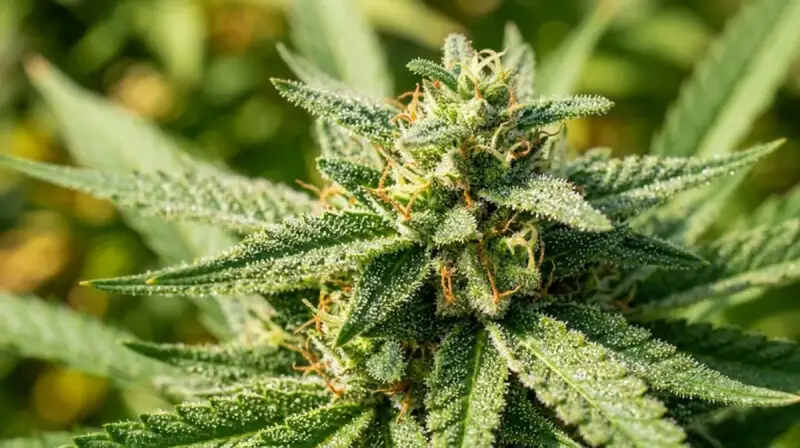
Average THC in commercially available cannabis has risen from roughly 4% in the 1990s to 12–15% in flower and 70–90% in concentrates today. Di Forti et al. (2019) in The Lancet Psychiatry found daily high-potency cannabis use carries a fivefold increased psychosis risk compared to non-use. This report covers the dose-response relationship, cardiovascular and respiratory effects, cannabis use disorder (CUD) risk, adolescent brain development concerns, and a practical harm reduction framework for existing high-THC users.
Understanding the Dose-Response Relationship
The single most important principle in evaluating high-THC cannabis risk is that THC does not have a fixed risk profile—it has a dose-dependent one. The same molecule that produces mild euphoria and relaxation at 5 mg can produce acute panic, paranoia, cardiovascular strain, and psychotic-like perceptual disturbances at 50 mg. This dose-response relationship is well-established in both clinical trials and population studies, yet it is systematically underrepresented in consumer-facing cannabis marketing, which tends to emphasize potency as a proxy for quality.
THC binds to CB1 receptors in the brain’s prefrontal cortex, amygdala, hippocampus, and striatum—regions governing executive function, fear processing, memory formation, and reward. At low-to-moderate doses (below 10 mg in occasional users), THC partially activates these receptors, producing the familiar anxiolytic, euphoric, and perceptual effects associated with recreational use. At high doses, particularly in individuals with lower tolerance, less genetic capacity for endocannabinoid metabolism, or pre-existing psychiatric vulnerability, CB1 receptor saturation overwhelms the brain’s regulatory mechanisms. The result is a cascade of neurochemical dysregulation that can manifest as acute anxiety, paranoia, tachycardia, depersonalization, and in susceptible individuals, transient psychotic episodes indistinguishable in presentation from first-episode schizophrenia.
The dose-response problem has been dramatically amplified by the potency trajectory of commercial cannabis over the past three decades. A consumer who “knows their tolerance” with 12% THC flower is operating on a fundamentally different baseline than one consuming a 35% live resin cart or a 100 mg edible. This potency escalation has outpaced both public health guidance and the research community’s ability to characterize new risk thresholds, creating a widening gap between what consumers believe is safe and what the pharmacological evidence supports.
Anxiety and Paranoia: The Most Common Adverse Effect
Anxiety and paranoia are the most frequently reported adverse effects of high-THC cannabis, particularly among inexperienced users and those consuming in high-stress or unfamiliar social environments. Research from the University of Chicago found that 7.5 mg of THC reliably reduced self-reported stress during a social interaction task, while 12.5 mg of the same compound increased negative emotions—including anxiety, paranoia, and discomfort—in a significant portion of participants. This biphasic dose-response relationship is central to understanding both the therapeutic potential and the adverse effect profile of THC: it is not simply an anxiolytic, nor simply an anxiogenic, but both, depending on dose, individual biochemistry, and context.
Cannabis-induced anxiety is mediated through overactivation of the amygdala—the brain’s threat-detection center—and subsequent dysregulation of the autonomic nervous system. Elevated heart rate (tachycardia) accompanies the psychological symptoms in most cases and can reach increases of 20–50 beats per minute above resting baseline. This tachycardia is not merely uncomfortable; in individuals with underlying cardiac conditions, it represents a genuine cardiovascular risk. Repeated episodes of cannabis-induced anxiety can condition anticipatory fear responses that persist between sessions, sometimes developing into generalized anxiety disorder in predisposed individuals—the opposite of the anxiety relief that many users sought when they first used cannabis.
Psychosis Risk: The Di Forti 2019 Data
The most significant epidemiological evidence on high-THC cannabis and psychosis comes from a 2019 multi-site study led by Marta Di Forti, published in The Lancet Psychiatry. The study examined first-episode psychosis patients across 11 sites in Europe and Brazil (n=901 patients, n=1237 controls) and found a clear, dose-dependent relationship between cannabis use patterns and psychosis risk. Compared to people who had never used cannabis, daily users of high-potency cannabis (defined as >10% THC) had an adjusted odds ratio of 4.8 for first-episode psychosis—nearly a fivefold increase in risk. Daily users of lower-potency cannabis had an adjusted odds ratio of 2.0—still double the risk, but substantially lower than high-potency daily use.
Critically, the Di Forti study found that if high-potency cannabis were not available, approximately 12.2% of first-episode psychosis cases in Amsterdam and 30.3% of cases in London could have been prevented—a population-attributable fraction that places high-potency cannabis alongside other significant preventable psychosis risk factors. The biological mechanism hypothesized is chronic THC-driven dysregulation of mesolimbic dopamine signaling, the same neurochemical pathway disrupted in schizophrenia. Genetic variants in the AKT1 and COMT genes have been identified as modifiers of individual psychosis risk from cannabis, suggesting that some consumers face dramatically elevated danger from high-THC exposure that no standard consumer guidance system currently identifies.
Adolescent Brain Development: A Distinct Risk Category
The risk profile for high-THC cannabis is substantially more severe for adolescents and young adults, for a specific neurobiological reason: the endocannabinoid system itself is still developing until approximately age 25. During adolescence, ECS-mediated pruning of synaptic connections—the brain’s refinement of its own neural circuitry—is ongoing. Chronic high-THC exposure during this developmental window disrupts the pruning process, with documented consequences including lasting verbal memory deficits, impaired executive function, and increased schizophrenia risk in those with genetic susceptibility. A longitudinal study published in JAMA Psychiatry found that individuals who used cannabis heavily during adolescence showed verbal memory deficits that persisted into their late 30s, even after years of abstinence. The National Institute on Drug Abuse estimates that 1 in 6 adolescents who begin cannabis use will develop dependence, compared to 1 in 11 adults who begin use after age 25.
These developmental risks are compounded by the fact that high-potency products are now widely accessible in adult-use retail markets, and that social media-driven cannabis culture normalizes heavy consumption in ways that particularly influence adolescent behavior. Many states have responded by restricting high-THC concentrate sales (some with potency caps) or mandating more prominent warning labels, but regulatory frameworks have not kept pace with the market’s potency trajectory.
THC Potency Categories and Risk Profiles
| Potency Category | THC Range | Typical Products | Key Risks | Psychosis Risk (Di Forti) |
|---|---|---|---|---|
| Low potency | <10% THC | CBD-dominant flower, some hemp products | Minimal at typical doses; impairment possible | Baseline (no elevated risk vs. non-use in occasional use) |
| Moderate potency | 10–18% THC | Mid-shelf flower, most pre-rolls | Anxiety risk in sensitive individuals; CUD risk with daily use | OR ~2.0 for daily users (Di Forti 2019) |
| High potency | 18–28% THC | Top-shelf flower, most dispensary brands | Significant anxiety/panic risk; accelerated tolerance; CUD risk elevated | OR ~4.8 for daily high-potency users (Di Forti 2019) |
| Very high potency / concentrates | 28%+ THC flower / 70–90% concentrates | Wax, shatter, live resin, high-dose edibles | Acute psychosis risk, cardiovascular strain, cannabis hyperemesis; highest CUD risk | Risk data extrapolated; exceeds Di Forti’s high-potency category |
| Balanced (CBD:THC ≥1:1) | 5–15% THC + 5–20% CBD | Harlequin, ACDC, balanced tinctures | Substantially lower anxiety and psychosis risk; CBD acts as partial antagonist | CBD as protective factor documented in Morgan et al. (2012) |
The CBD:THC Ratio as a Protective Factor
One of the most clinically actionable findings in high-THC risk research is the protective role of CBD. Morgan et al. (2012) in Psychopharmacology found that individuals who used cannabis containing CBD showed significantly lower rates of psychotic-like symptoms compared to those using CBD-absent high-THC cannabis. CBD acts as a partial antagonist at CB1 receptors—it does not fully block THC’s effects but modulates them, reducing the extreme dopamine dysregulation that appears to drive psychotic vulnerability. A 2019 trial from King’s College London used fMRI to show that CBD normalized hippocampal activity that was disrupted by THC administration, providing a neuroimaging-level explanation for CBD’s buffering effect.
The practical implication is clear: choosing products with a meaningful CBD:THC ratio—ideally at least 1:1 for medical users or those with anxiety history, and higher for those with any personal or family history of psychotic disorders—substantially reduces the risk profile associated with cannabis use. Yet most commercially dominant high-THC strains in legal-market dispensaries contain less than 1% CBD. The market has been optimized for THC potency at the expense of the safety ratio that decades of research now indicates is important.
Cardiovascular and Respiratory Effects
High-THC cannabis produces acute cardiovascular effects that are well-documented and relevant to any consumer with underlying heart conditions. THC activates CB1 receptors in the cardiovascular system, causing heart rate increases of 20–50 beats per minute above resting baseline within minutes of consumption. This tachycardia typically peaks at 20–30 minutes and returns to baseline within 1–3 hours. Blood pressure responses are variable: an initial increase followed by potential orthostatic hypotension (pressure drop upon standing) that can cause dizziness and, in vulnerable individuals, fainting. A 2019 analysis in the Journal of the American Heart Association identified a 4.8-fold increased risk of stroke in the 24 hours following cannabis use in a hospital-based cohort—driven primarily by cardiovascular events in individuals with pre-existing conditions.
For individuals with coronary artery disease, arrhythmias, or prior cardiac events, high-THC cannabis represents a genuine cardiovascular risk that should be evaluated with a cardiologist before any use. The risk is substantially elevated with dabbing or high-dose concentrate use, where the acute THC load reaching the cardiovascular system is far greater than from typical flower consumption. Younger, otherwise healthy individuals face substantially lower cardiovascular risk, but the tachycardia remains uncomfortable at high doses and is a major contributor to the subjective anxiety response that characterizes overconsumption.
Respiratory Effects of Smoked High-THC Cannabis
Smoking cannabis, regardless of THC content, exposes the respiratory system to combustion byproducts including carbon monoxide, particulates, and known carcinogens. Regular cannabis smokers show measurable increases in bronchitis symptoms, airway inflammation, and mucus production. The association between smoked cannabis and lung cancer is less clear than for tobacco—cannabis smokers typically consume far less volume, and some cannabinoids may have anti-tumor properties in preclinical models—but the respiratory irritation from smoking is well-established. Vaporization at lower temperatures significantly reduces combustion byproducts and appears to reduce respiratory symptoms in users who switch from smoking, though long-term vaporization data is limited. The respiratory risk associated with high-THC cannabis is primarily driven by mode of consumption (smoked/dabbed) rather than THC content per se, but the two often co-occur since high-THC users are disproportionately represented among heavy smokers.
Cannabis Use Disorder (CUD): Risk Correlation with High Potency
Cannabis Use Disorder—defined as a pattern of cannabis use leading to clinically significant impairment or distress—affects approximately 9% of all lifetime cannabis users, rising to 17% among those who begin use in adolescence and approximately 25–50% among daily users. The relationship between THC potency and CUD risk is not simply correlational—it is mechanistically explicable. High-THC products produce more rapid and intense CB1 receptor activation, which accelerates the process of tolerance development (receptor downregulation and desensitization) and makes the subjective experience of lower-potency cannabis feel inadequate to users who have calibrated their use to high-potency products. This tolerance ratchet is the pharmacological mechanism behind the escalation pattern observed in many heavy cannabis users.
A 2021 study in JAMA Psychiatry found that daily cannabis use of products above 10% THC was associated with a 2.8-fold higher odds of CUD diagnosis compared to occasional use of lower-potency products. Withdrawal symptoms—including irritability, sleep disruption, decreased appetite, anxiety, and restlessness—are well-documented in dependent users and can be clinically significant enough to prompt continued use to avoid discomfort, reinforcing the dependence cycle. The neurobiological basis of CUD involves sustained disruption of dopamine signaling and CB1 receptor downregulation that can take weeks to months to partially normalize after cessation.
Tolerance Acceleration with High-Potency Products
Tolerance to THC develops through multiple mechanisms: CB1 receptor downregulation (reduction in receptor density), receptor desensitization (reduced coupling efficiency), and changes in downstream signaling cascades. High-potency products accelerate all three processes because of the greater CB1 receptor activation load they deliver. A user who begins with 28% flower will require increasingly large doses to achieve the same effect within weeks to months, a trajectory that pushes consumption toward doses that carry substantially higher adverse effect risks. The tolerance ceiling problem is also why many medical cannabis patients who began treatment with moderate-potency products and escalated to concentrates describe losing therapeutic efficacy and experiencing diminishing returns—the very outcome they sought to avoid by escalating potency.
The most evidence-supported approach to managing tolerance without escalation is a structured tolerance break: complete abstinence for 2–4 weeks, during which CB1 receptor density and sensitivity substantially recover. Returning to use at a dose 50% lower than the pre-break tolerance level allows users to re-establish a sustainable baseline before tolerance rebuilds. This approach is better supported by the pharmacological literature than simply switching strains or product types, and is the harm reduction recommendation most frequently cited by addiction medicine specialists working with CUD patients. Explore our drug test detection guide for information on how long THC metabolites remain detectable during a tolerance break.
Safe Use Framework for High-THC Products
For individuals who choose to use high-THC cannabis, the following evidence-based harm reduction framework substantially reduces risk without requiring complete abstinence:
| Risk Domain | Evidence-Based Harm Reduction Action | Evidence Level |
|---|---|---|
| Psychosis risk | Choose products with CBD:THC ratio ≥1:1; avoid daily high-potency use; do not use if personal or family history of psychotic disorders | Strong—Di Forti 2019, Morgan 2012 |
| Anxiety/paranoia | Keep THC dose below 10 mg per session; use in comfortable, familiar environments; add CBD 15–30 min before THC use | Strong—U Chicago biphasic dose studies |
| Cardiovascular | Avoid high-THC concentrates; do not use within 1 hour of vigorous exercise; consult cardiologist if any cardiac history | Moderate—JAHA 2019, case series |
| CUD / dependence | Avoid daily use; take monthly tolerance breaks (minimum 2 weeks); do not use as primary coping mechanism for stress or mood | Strong—JAMA Psychiatry 2021 |
| Adolescent exposure | Wait until age 25; if using before 25, use lowest effective THC dose only and avoid concentrates entirely | Strong—JAMA Psychiatry longitudinal, NIDA data |
| Respiratory | Switch from smoking to dry herb vaporization at ≤190°C; avoid concentrate dabbing at high temperatures | Moderate—Malouff 2014, respiratory symptom studies |
What High-THC Users Can Do Right Now
For individuals already using high-THC cannabis daily, complete cessation is not always realistic or desired. The harm reduction approach acknowledges this reality and focuses on reducing risk within the actual usage pattern rather than demanding an unrealistic abstinence outcome. The most impactful single change a high-frequency high-THC user can make is introducing CBD into their regimen. Adding 20–50 mg of CBD at the start of each session, or switching at least a portion of consumption to balanced CBD:THC products, activates the protective mechanism documented by Morgan et al. and reduces acute psychosis risk, anxiety, and amygdala dysregulation without requiring a reduction in use frequency. The second most impactful change is eliminating concentrates and high-THC edibles, reducing to moderate-potency flower (15–20% THC) that keeps per-session THC load within ranges associated with much lower adverse event rates in clinical data. Visit our strain database to identify specific balanced-ratio options available in your state, and consult our medical cannabis guide for guidance on discussing dosing with a licensed cannabis specialist.
Senior Cannabis Editor with 9+ years covering US cannabis policy and legislation.