









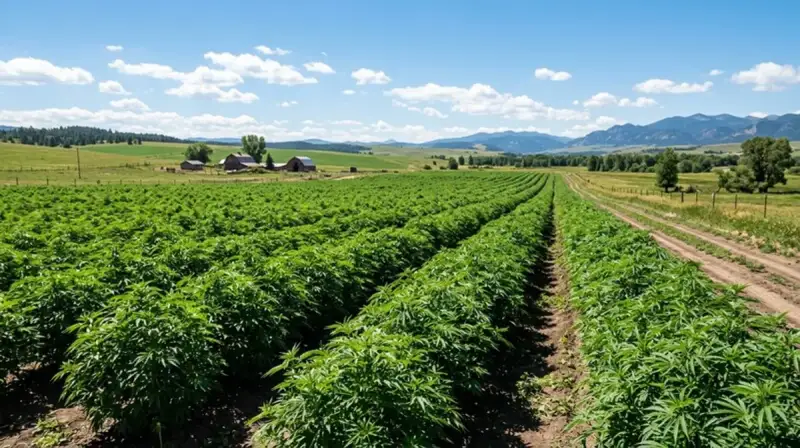
Hemp Protein Guide: Nutrition, Benefits & Everything You Need to Know
By ZenWeedGuide Editorial Staff | Updated 2024 | 8 min read |
- Hemp protein is derived from the seeds of Cannabis sativa L. plants grown for industrial use, containing less than 0.3% THC under the 2018 Farm Bill.
- A 30-gram serving of hemp protein powder delivers approximately 15 grams of protein, 8 grams of fiber, and meaningful amounts of magnesium, iron, and zinc.
- Hemp is one of only a handful of plant foods considered a complete protein — containing all nine essential amino acids the human body cannot synthesize.
- The omega-6 to omega-3 fatty acid ratio in hemp seed (approximately 3:1) is widely regarded by nutritionists as close to ideal for human health.
- Hemp protein products are federally legal and available in all 50 states; cannabis laws vary significantly by state for other hemp-derived products — see our state-by-state guide.
- Unlike many plant proteins, hemp is naturally free of common allergens including gluten, lactose, and soy, making it broadly suitable for diverse dietary needs.
- Heavy hemp food consumption may, in rare cases, produce trace cannabinoid metabolites detectable on certain drug tests — check our drug testing explainer.
Background: What Is Hemp Protein and Why Does It Matter?
Hemp protein has quietly transformed from a niche health food store staple into one of the most discussed plant-based protein sources in America. Derived from the seeds of industrial hemp — a variety of Cannabis sativa cultivated specifically for low THC content — hemp protein powder is made by cold-pressing hemp seeds to remove most of the oil, then milling the remaining seed cake into a fine powder. The result is a nutritionally dense, plant-based protein that has attracted the attention of athletes, health-conscious consumers, and sustainability advocates alike.
The history of hemp as a food source stretches back thousands of years. Archaeological evidence suggests hemp seeds were consumed in China as early as 6,000 BCE, and throughout history hemp has served as a critical nutritional resource across Asia, Europe, and the Americas. In the United States, however, hemp cultivation was effectively prohibited from the mid-20th century through much of the 2010s, lumped into the same legal category as its high-THC cousin marijuana under the Controlled Substances Act of 1970. This regulatory ambiguity stunted the domestic hemp food market for decades.
The passage of the 2014 and 2018 Farm Bills fundamentally changed this landscape. The 2018 Agriculture Improvement Act formally removed industrial hemp (defined as cannabis containing less than 0.3% THC on a dry weight basis) from Schedule I of the Controlled Substances Act, opening the door to domestic hemp cultivation, processing, and food product development at an unprecedented scale. This legal clarity allowed hemp protein manufacturers to scale operations, invest in product quality, and reach mainstream retail channels from Whole Foods to Amazon. For a deeper overview of how federal cannabis policy shapes the hemp market, see our cannabis explainers section.
Today, hemp protein sits at the intersection of two of the most powerful trends in American consumer culture: the plant-based food revolution and the mainstreaming of cannabis and hemp products. Understanding what hemp protein is, how it works nutritionally, and how it compares to other proteins is increasingly important for any health-conscious consumer.
Key Developments: Milestones in Hemp Protein's Rise
The journey from prohibited crop to grocery store staple spans decades of legal battles, agricultural science, and shifting consumer attitudes. The table below tracks the most significant milestones in hemp protein's development as a mainstream food ingredient in the United States.
| Year | Milestone | Significance |
|---|---|---|
| 1937 | Marihuana Tax Act | First US federal restriction effectively halted domestic hemp farming, though hemp foods remained technically legal. |
| 1970 | Controlled Substances Act | Hemp classified as Schedule I alongside marijuana, devastating US hemp agriculture and food production for decades. |
| 1998 | Canadian Hemp Cultivation Legalized | Canada becomes a major hemp seed and protein supplier to the US market, establishing supply chains still active today. |
| 2004 | DEA Hemp Food Lawsuit Settled | 9th Circuit rules hemp foods legal in the US, clearing path for retail expansion of hemp seeds and protein powders. |
| 2007 | Hemp Protein Enters Natural Retail | Major natural retailers including Whole Foods and co-ops begin stocking hemp protein powder products nationally. |
| 2014 | 2014 Farm Bill Pilot Programs | Allows state-sanctioned hemp research and limited cultivation, spurring domestic interest in hemp as an agricultural crop. |
| 2018 | 2018 Farm Bill Signed | Industrial hemp federally legalized. Domestic hemp protein production becomes viable and investment surges across the supply chain. |
| 2020 | Plant-Based Protein Boom | COVID-19 pandemic accelerates consumer interest in immune health and plant-based nutrition; hemp protein sales spike significantly. |
| 2022 | FDA GRAS Status Confirmed for Hemp Seeds | FDA affirms hemp seeds and hemp seed-derived ingredients are Generally Recognized as Safe, boosting mainstream food manufacturer adoption. |
| 2024 | Mainstream Mass Market Expansion | Hemp protein appears in mass-market retailers, sports nutrition lines, and functional food products at record scale. |

Impact on Consumers: What Hemp Protein Means for Everyday Shoppers
For everyday consumers, the hemp protein revolution translates into a genuinely useful new option in an already crowded protein supplement market. The practical benefits are real and measurable, particularly for specific consumer groups whose needs have historically been underserved by conventional protein sources.
Vegan and vegetarian consumers stand to benefit most directly. Plant-based dieters have long struggled to find single-source complete proteins — those containing adequate levels of all nine essential amino acids. Most plant proteins are "incomplete" in some respect: rice protein lacks lysine, pea protein has relatively low methionine and cystine levels. Hemp protein, by contrast, contains all nine essential amino acids in a single ingredient, though its leucine content is somewhat lower than animal-derived proteins. Combined with its high fiber content and beneficial fatty acid profile, hemp protein is genuinely a standout option in the plant-based space.
Allergen-sensitive consumers will find hemp protein particularly accessible. Unlike soy (a top-8 allergen), whey (dairy-derived), and egg protein, hemp protein is naturally free of the most common food allergens. It is inherently gluten-free as well, though consumers with celiac disease should verify that their specific product is processed in a certified gluten-free facility to avoid cross-contamination.
Digestibility is another meaningful consumer advantage. Hemp protein contains edestin and albumin — two proteins that human digestive enzymes break down easily. Research suggests hemp protein has a digestibility coefficient of approximately 91–98%, comparable to many animal proteins and higher than many other plant proteins like black bean or chickpea protein. The presence of dietary fiber (7–8 grams per serving in most products) adds gut-health benefits while helping consumers feel full and satisfied longer.
From a practical standpoint, hemp protein has a mildly nutty, earthy flavor that integrates well into smoothies, oatmeal, baked goods, and energy balls. It blends less smoothly than highly processed whey or pea protein isolates — the fiber content gives it a slightly grittier texture — but many consumers appreciate this as a marker of minimal processing. For more on how hemp and cannabis interact with the body's systems, visit our cannabis effects resource.
Industry Perspective: A Growing Market with Big Stakes
The hemp protein industry is not simply a health food niche — it represents a significant and rapidly expanding segment of both the broader hemp industry and the global plant-based protein market. Understanding the commercial landscape helps consumers make sense of the products, pricing, and marketing claims they encounter at retail.
| Protein Source | Protein per 30g Serving | Complete Protein? | Allergen-Free? | Avg. Cost per Serving | Fiber per Serving |
|---|---|---|---|---|---|
| Hemp Protein | 15g | Yes | Yes | $0.80–$1.20 | 7–8g |
| Whey Protein | 24g | Yes | No (dairy) | $0.80–$1.50 | <1g |
| Pea Protein | 21g | Partial | Yes | $0.60–$1.00 | 1–2g |
| Soy Protein | 23g | Yes | No (soy) | $0.50–$0.90 | 1–2g |
| Brown Rice Protein | 20g | Partial | Yes | $0.70–$1.10 | 1g |
Investor and manufacturer interest in hemp protein has accelerated dramatically since 2018. Established supplement brands including Nutiva, Manitoba Harvest, and Bob's Red Mill have expanded their hemp protein lines, while new entrants from both the sports nutrition and functional food sectors continue to emerge. The global hemp protein market was valued at approximately $580 million in 2022 and is forecast to exceed $1.3 billion in the United States alone by 2026, according to industry analysts at Grand View Research.
A key dynamic shaping the industry is the distinction between hemp protein powder and hemp…