










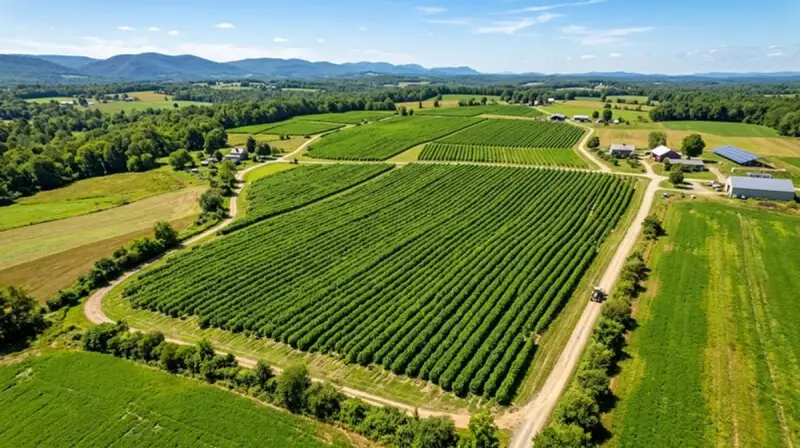
December 20, 2018: Hemp Removed from Schedule I After 48 Years
Published December 20, 2018 — By Ann Karim, Senior Cannabis Editor
- President Trump signed the Agriculture Improvement Act of 2018 (Farm Bill) on December 20, 2018
- Hemp — cannabis with 0.3% THC or less by dry weight — was removed from Schedule I of the Controlled Substances Act
- Hemp cultivation, processing, and interstate transport became federally legal under USDA-approved state or tribal plans
- Licensed hemp acreage grew from 25,000 in 2017 to over 511,000 by 2019 — a 20x increase in two years
- The FDA retained authority over CBD in food and supplements, creating a regulatory grey zone that persists today
- The US CBD consumer market grew from roughly $620 million in 2018 to an estimated $4.6 billion by 2020
From Prohibition to Farm Bill: A 48-Year Wait for Farmers
Hemp had been federally illegal in the United States since the 1970 Controlled Substances Act lumped it together with high-THC cannabis under Schedule I. This was a remarkable policy decision given hemp’s 10,000-year history as one of humanity’s most useful crops — used for rope, textiles, paper, and food long before the drug war era. Farmers in Kentucky, once a major hemp producer through World War II, spent decades pushing for federal reform.
The 2014 Farm Bill opened a small door, allowing state-run pilot programs for research purposes. By 2018, 19 states had launched programs under this authority, generating enough data and political support for full legalization. Senate Majority Leader Mitch McConnell of Kentucky became the bill’s most powerful champion, giving hemp legalization rare bipartisan momentum in an otherwise gridlocked Congress.
For cannabis consumers focused on medical applications, the Farm Bill’s significance extended beyond farming. Hemp-derived CBD, previously in a legal grey zone, now had clear federal status. This triggered an explosion of CBD wellness products — oils, gummies, topicals, and pet treats — that flooded the market within months of Trump’s signature on December 20.
“Hemp is not marijuana. It’s an agricultural commodity with real, demonstrated economic value for Kentucky farmers and American industry.”
The CBD Explosion: From Grey Zone to Billion-Dollar Market
The most immediate consumer impact of the Farm Bill was on the CBD market. Before December 2018, hemp CBD existed in legal purgatory — technically covered by DEA policy statements treating all cannabis extracts as Schedule I, yet widely sold online and in stores. The Farm Bill clarified that hemp-derived CBD was no longer a controlled substance at the federal level.
Within months, CBD was everywhere. Gas stations stocked CBD gummies. Starbucks tested CBD drinks. Sephora added CBD skin care lines. The wellness industry embraced CBD for anxiety, sleep, and inflammation — claims that outran the science but drove extraordinary consumer demand. Understanding the actual effects of cannabinoids like CBD requires separating marketing from evidence, but the commercial momentum was undeniable and rapid.
The FDA’s position created ongoing friction. Because CBD had been approved as the prescription drug Epidiolex, the FDA maintained it could not also be marketed as a food additive without further rulemaking. This regulatory limbo affected labeling and retail channels. For consumers interested in CBD’s interactions with terpenes, our terpene guide covers the science behind hemp-derived compounds in detail.
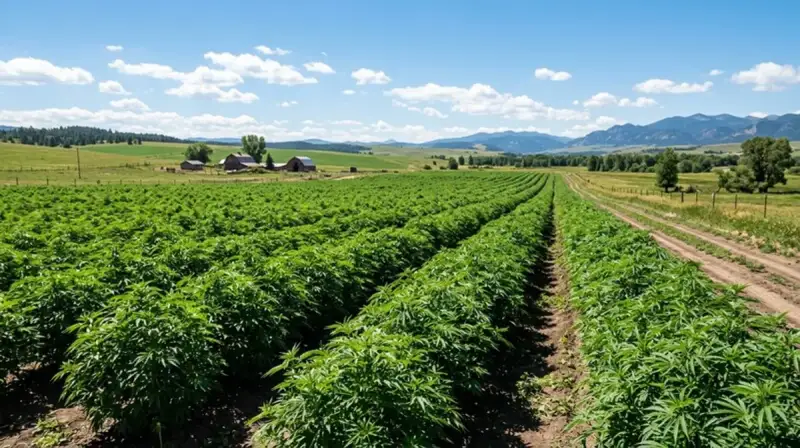
State-by-State Rollout: Colorado, Kentucky, and Oregon Lead
After Trump signed the bill, states raced to submit hemp programs to the USDA. Colorado, which had been running a robust pilot program since 2013, was perfectly positioned and quickly became a hub for hemp cultivation and CBD extraction. Kentucky leveraged its agricultural roots and existing pilot infrastructure to rapidly scale production.
Oregon, already a leader in cannabis legalization, embraced hemp cultivation enthusiastically. By 2019, Oregon had licensed so many hemp acres that the state produced more CBD extract than its domestic market could absorb, leading to a price crash that hurt small farmers. California’s complex regulatory environment meant hemp CBD products faced additional state scrutiny even after the federal change.
For travelers visiting hemp-growing regions, the agricultural landscape transformed visibly. Fields of industrial hemp became common sights along rural highways in Kentucky, Tennessee, and Colorado. Hemp processing facilities — extraction labs, fiber processors, grain mills — created new rural economic activity in regions that had struggled with agricultural decline for decades.
What the Farm Bill Means for the Future of US Cannabis Policy
The 2018 Farm Bill was not marijuana legalization — and hemp advocates were careful to distinguish the two. But the political dynamics were significant. By normalizing one form of cannabis as an agricultural product, the bill weakened the cultural framework that treated all cannabis as inherently dangerous. It created a constituency of farmers, processors, and retailers with a financial stake in cannabis-adjacent policy.
The bill demonstrated that bipartisan cannabis legislation was achievable when economic arguments led. McConnell’s advocacy was explicitly about farm income, not drug policy — a framing that brought Republican votes that would never have supported marijuana reform. This political template became a reference point for subsequent federal cannabis discussions in US cannabis policy development.
For consumers navigating drug testing concerns, the Farm Bill era introduced a complication: some hemp CBD products contain trace THC that can trigger positive drug tests. Our drug test calculator helps you understand detection windows for both CBD and THC. The regulatory picture for hemp and cannabis continues evolving rapidly, with the FDA expected to issue clearer CBD guidelines in the coming years.