










March 2020: The Pandemic That Legitimized the Cannabis Industry
Published March 20, 2020 — By Ann Karim, Senior Cannabis Editor
- Every US state with legal cannabis declared dispensaries essential businesses during COVID-19 lockdowns
- Colorado set a single-day sales record of $79 million on March 19, 2020 — the day before stay-at-home orders
- Cannabis sales surged 40-60% in the immediate lockdown period compared to pre-COVID baselines
- Curbside pickup, online ordering, and delivery were deployed within days of the first lockdown orders
- Several states including California and Massachusetts expanded delivery permissions under emergency orders
- The essential business designation represented the strongest official recognition of cannabis as a legitimate industry in US history
The Decision That Changed Cannabis’ Legal Status Forever
When California Governor Gavin Newsom issued his stay-at-home order on March 19, 2020, the cannabis industry held its collective breath. Would cannabis — federally illegal, still controversial in many quarters — be deemed essential? Within hours, the California Department of Public Health confirmed it: cannabis dispensaries could remain open as essential businesses. Colorado, Washington, Oregon, Nevada, and Massachusetts followed within days. The decision was made almost universally and swiftly across every legal state.
The reasoning was clear and compelling. Medical cannabis patients depend on dispensaries for legally authorized treatments for conditions including cancer pain, epilepsy, multiple sclerosis, and PTSD. Closing dispensaries would have immediately driven these patients to the illicit market or left them without medication. For recreational consumers, the harm reduction argument was also valid: sending millions of consumers to unregulated sources during a public health crisis was a policy choice with real consequences.
The essential designation carried profound symbolic weight beyond its immediate practical effect. Across every legal US state, cannabis was now officially in the same category as pharmacies, grocery stores, and medical offices. For an industry that had existed under constant federal prohibition for 50 years, the recognition was a form of normalization that no marketing campaign or lobbying effort could have achieved.
“Cannabis is medicine for hundreds of thousands of Californians. Closing dispensaries during a health emergency would be a public health mistake.” — California cannabis regulator, March 2020
The Sales Surge: Panic Buying and Pandemic Consumption
Colorado set a historic single-day sales record of $79 million on March 19, 2020 — the day before Governor Polis’s stay-at-home order took effect. In California, online cannabis orders increased 159% in the week following lockdown announcements. These numbers reflected both panic buying (consumers stocking up before potential closures) and the beginning of elevated sustained demand as millions of people began spending all their time at home.
The sustained sales increases were remarkable. Colorado’s total cannabis sales for 2020 reached $2.2 billion — a 24% increase over 2019. California’s legal market hit $4.4 billion for the year. Illinois, just six months into adult-use sales when COVID hit, saw the pandemic actually accelerate its market development. Across all legal states, 2020 was the strongest year in cannabis retail history to that point, driven primarily by COVID-related demand increases.
The nature of consumption shifted alongside the volume. With restaurants, bars, concerts, and social venues closed, cannabis became a home entertainment and stress-management tool at unprecedented scale. Strain preferences shifted somewhat toward indica-dominant and high-CBD products associated with relaxation and sleep. Anxiety and sleep-focused effects drove category growth in ways that mirrored the broader wellness supplement surge of 2020.
How Dispensaries Adapted: Curbside, Delivery, and Digital
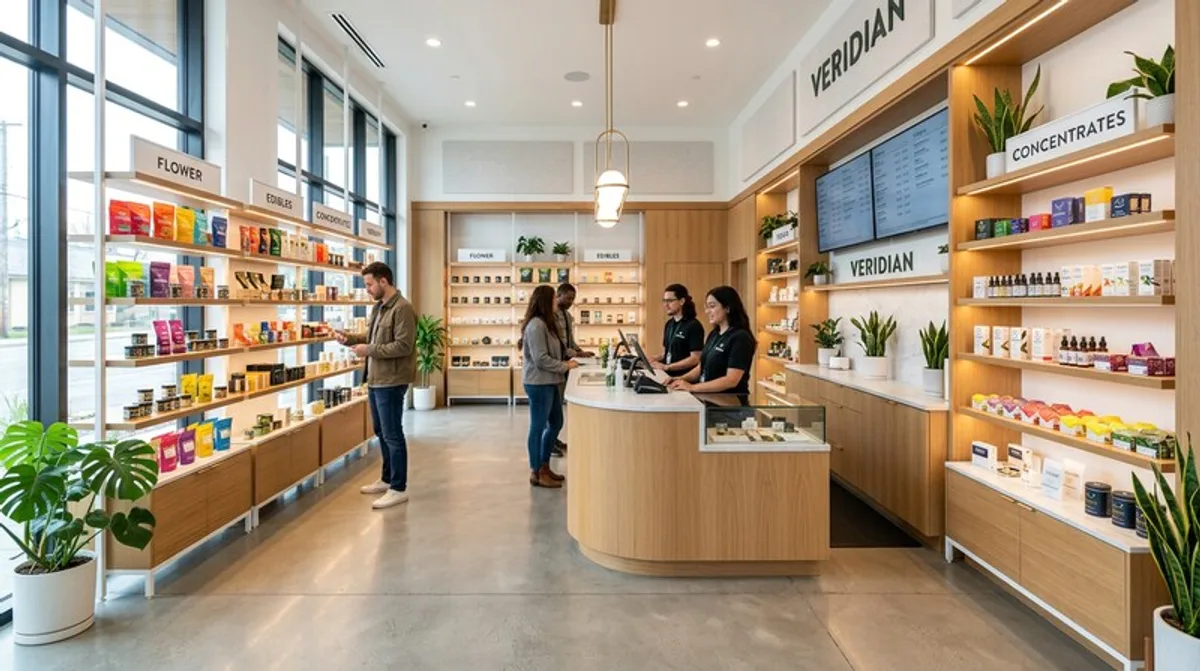
Cannabis dispensaries demonstrated remarkable operational adaptability in March 2020. Within days of the first lockdown orders, stores across California, Colorado, and other legal states had pivoted to curbside pickup operations — customers ordered online or by phone, drove to the dispensary, and collected without entering. Many states’ cannabis regulations had not previously permitted curbside pickup, and regulators issued emergency guidance authorizing it within 48-72 hours of the first lockdown orders.
Delivery services — previously restricted or prohibited in several major markets — received emergency permission expansions. California, which had a complicated delivery licensing framework, issued emergency orders streamlining delivery permissions. Massachusetts authorized temporary delivery. Nevada expanded delivery permissions. The pandemic, in a matter of weeks, accomplished delivery policy reforms that the industry had been lobbying for over years. Most of these changes were subsequently made permanent.
Digital menu platforms like Leafly and Weedmaps saw their traffic spike as consumers could no longer browse in-store and relied on online menus to select products. For consumers now accustomed to finding dispensaries online and checking menus before visiting, this shift was the beginning of a permanent behavioral change in how people shop for cannabis. The infrastructure built under pandemic pressure — online ordering, digital menus, curbside and delivery logistics — permanently modernized a retail industry that had been relatively analog.
What COVID Taught Us About Cannabis’ Place in Society
The COVID essential business moment was a turning point in cannabis policy, perception, and politics. State governors who declared dispensaries essential were making a clear statement about the legitimate role of cannabis in their economies and public health frameworks — a statement that Republican and Democratic governors alike made, in states from liberal California to conservative Nevada and Montana.
The pandemic also accelerated the banking and financial normalization conversation. Dispensaries handling enormous volumes of cash — the result of federal banking exclusion — faced heightened public health and safety risks during COVID. The argument for cannabis banking reform gained new practical urgency: essential businesses should not be forced to operate entirely in cash during a pandemic, with all the risks to employees and customers that cash-heavy operations create.
For consumers thinking about drug testing and employment during and after the pandemic, COVID introduced a new dimension: with record numbers of people working from home and many employers suspending drug testing programs, cannabis use rates increased significantly. When workplaces reopened, the collision between elevated cannabis use during the pandemic and return-to-work drug testing became a significant employment issue in many states. The pandemic’s legacy for cannabis policy is still unfolding — but its first chapter was the validation of cannabis as an essential part of American commercial and social life.