









Clone Only Strains: The Holy Grail of Cannabis Genetics
Some cannabis varieties can never be replicated from seed. Here's everything you need to know about the rarest, most coveted plants in the industry. |
- Clone only strains are cannabis varieties that exist solely as vegetative cuttings — they have never been (or cannot be) reproduced true-to-type from seed.
- Famous examples include Chem Dawg, Triangle Kush, Bubba Kush, and the original Girl Scout Cookies phenotype selected by the Cookie Fam in San Francisco.
- Because they cannot be stabilized into seed lines, these genetics have survived decades through an underground network of trusted cultivators sharing cuttings.
- The legal cannabis market has accelerated access: licensed dispensaries and tissue culture labs now preserve and sell verified clone only genetics in many states.
- For consumers, clone only status is a quality signal — these phenotypes were typically hand-selected as the very best expression of their lineage.
- Cannabis laws vary by state — always verify local regulations before obtaining or growing any cannabis plant material, including clones.
Background: What Are Clone Only Strains and Why Do They Exist?
In the world of cannabis cultivation, genetics are everything. The combination of cannabinoids, terpenes, growth structure, and yield that makes a particular plant exceptional is encoded in its DNA — and preserving that DNA exactly as-is is far more difficult than it sounds. When two cannabis plants cross-pollinate to produce seeds, the resulting offspring are never genetically identical to either parent. Even seeds from the same plant produce a range of phenotypes, each with slightly different traits. This is wonderful for breeding but catastrophic for consistency.
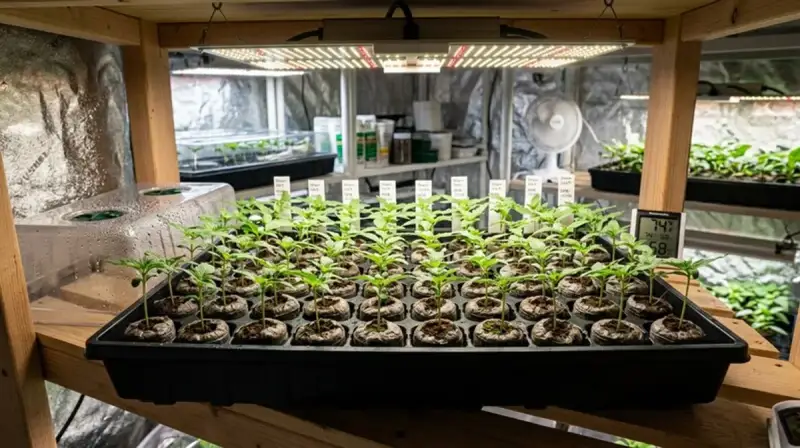
Enter vegetative cloning. By taking a cutting from a living cannabis plant and rooting it in a growing medium, cultivators produce a new plant that is a perfect genetic copy of the original. Every terpene ratio, every cannabinoid percentage, every structural trait — all identical. This is how commercial cannabis achieves the batch-to-batch consistency that dispensary shelves depend on. But cloning is also how certain exceptional, once-in-a-generation phenotypes have survived for decades without ever needing to produce a seed.
A clone only strain is precisely this: a cannabis cultivar that exists exclusively as a lineage of cuttings traced back to one original mother plant. There are no seeds. There is no way to grow the "real" version of the plant except from a cutting of that genetic line. Some clone only varieties emerged from prohibition-era underground grows where a grower discovered a truly spectacular plant and chose to preserve it indefinitely. Others are the result of intentional phenotype hunts — breeders germinating thousands of seeds to find one extraordinary individual, then abandoning the seed work to focus entirely on cloning that standout plant.
Understanding clone only genetics requires a basic grasp of cannabis reproduction. You can explore more about cannabis fundamentals in our explainer library, or dive into our full strain database to see how individual strains are classified and documented.
"Clone only strains are living time capsules — genetic artifacts from cannabis culture's most creative and clandestine era, preserved not in vaults but in the hands of passionate growers who refused to let them disappear."
Key Developments: A Timeline of Clone Only Cannabis History
The history of clone only strains is inseparable from the broader history of American cannabis culture. From underground networks to legal tissue culture labs, these genetics have traveled a remarkable journey.
| Era / Year | Development | Significance |
|---|---|---|
| Early 1980s | Hash Plant & Northern Lights preserved as clones on the US West Coast | First documented underground clone only preservation networks |
| 1991 | Chem Dawg (Chemdog) phenotype discovered at a Grateful Dead concert | Possibly the most influential clone only strain in history; father of OG Kush lineage |
| Mid-1990s | OG Kush emerges in Southern California | Traced to Chem Dawg; propagated exclusively as a clone for years before breeder versions appeared |
| Late 1990s | Bubba Kush stabilized as a clone only by a Los Angeles grower | Became a defining West Coast indica; original phenotype never seeded |
| Early 2000s | Triangle Kush preserved in Florida's underground market | Became foundational to East Coast OG culture; remained clone only for over a decade |
| 2011–2013 | Girl Scout Cookies (GSC) rises in San Francisco | Cookie Fam's original phenotype was clone only; spawned an entire flavor revolution |
| 2014–2016 | State-legal dispensaries begin selling verified clone only genetics in California & Colorado | First legal access point; quality verification becomes possible |
| 2018 | Tissue culture preservation companies launch targeting elite cannabis genetics | Allows indefinite, disease-free preservation of irreplaceable phenotypes |
| 2020–Present | Cannabis genomics companies begin DNA fingerprinting clone only strains | Authenticity verification now scientifically possible; combats fraud and mislabeling |
| 2023–2024 | Multi-state operators (MSOs) license clone only genetics across state lines (within legal frameworks) | Wider consumer access; raises questions about authenticity and genetic drift |

Impact on Consumers: What Clone Only Status Means for You
For everyday cannabis consumers, the concept of clone only strains carries real practical significance — even if most shoppers never think about plant propagation when they visit a dispensary. Here's why it matters.
Quality as a selection signal. The fact that a strain has survived decades as a clone only variety almost always means it was extraordinary to begin with. No grower maintains a mother plant indefinitely out of convenience — it requires space, resources, and constant attention. Plants are kept alive because they produce something genuinely exceptional: unusually complex terpene profiles, elite-level potency, distinctive effects, or some combination of all three. When you see a clone only designation on a product label, it's a signal that someone, somewhere, considered this genetics worth preserving for the long haul.
Consistency across purchases. Because every clone is genetically identical to every other clone in that lineage, a clone only strain should deliver a highly consistent experience from batch to batch — provided the grower maintains the same cultivation practices. This is especially relevant for medical cannabis patients who rely on predictable cannabinoid and terpene ratios for therapeutic effect. Seed-grown cannabis, even from the same breeder, can vary substantially between plants.
Authenticity concerns. The flip side of clone only prestige is the prevalence of fraud. Because the original genetics are rare and highly valuable, the market is full of imposters — seed-grown phenotypes or entirely unrelated cultivars sold under famous clone only names like OG Kush or GSC. Without genetic testing, it's genuinely difficult for consumers to verify authenticity. DNA fingerprinting services are beginning to address this, and some dispensary chains now work with genomics companies to certify their stock. When in doubt, ask your budtender about the source of their genetics and look for dispensaries that partner with licensed clone nurseries.
Premium pricing. Clone only genetics command premium prices at every level of the supply chain. Verified cuttings from prestigious lineages can sell for significantly more than regular clones, and this cost flows through to finished flower. Consumers should expect to pay more for authentically sourced clone only products — and should be skeptical of bargain-priced "clone only" flower, which may not be what it claims to be.
If you're a home cultivator in a state that permits personal grows, obtaining a verified clone only cutting from a licensed dispensary or clone nursery is the most reliable way to grow legendary genetics. Check your state's cannabis laws for home cultivation limits and regulations before getting started.
Industry Perspective: The Business of Rare Genetics
Clone only strains occupy a unique and increasingly valuable position in the commercial cannabis industry. As the market matures and consumers become more sophisticated, genetic provenance has emerged as a genuine competitive differentiator — and the economics around rare genetics are rapidly evolving.
For licensed cultivators, maintaining authentic clone only mother plants is both a marketing advantage and a significant operational commitment. A single verified Chem Dawg or Triangle Kush mother plant requires dedicated space in a licensed facility, regular maintenance, integrated pest management to prevent infestations that could wipe out the entire genetic line, and strict chain-of-custody documentation to satisfy state regulators. These costs are real — but so is the return. Dispensaries that can credibly market authentic clone only genetics routinely report higher average transaction values and stronger brand loyalty among connoisseur customers.

The emergence of tissue culture (TC) labs has introduced a new paradigm for genetic preservation and commercialization. Tissue culture technology allows a single cell or small tissue sample from a cannabis plant to be grown into a full plant in a sterile laboratory environment. This makes it possible to store thousands of genotypes in a refrigerator-sized space, free from pests, pathogens, and the risk of genetic drift that comes with maintaining living mother plants over many years. Several companies — including Phylos Bioscience, Steep Hill, and a growing number of state-licensed labs — now offer TC preservation services specifically targeting irreplaceable clone only genetics.
Multi-state operators (MSOs) have introduced another layer of complexity. As cannabis companies expand across state lines, they want to bring their proven genetics with them — but federal prohibition makes transporting live plant material across state boundaries illegal regardless of destination state laws. The legal workaround has been tissue culture: labs can legally produce starter plantlets from preserved genetic material within a state, allowing MSOs to effectively "license" genetics to affiliated operations in other states by recreating plants from TC stock. This has democratized access to formerly underground clone only genetics but has also intensified debates about authenticity and the cultural meaning of provenance.
| Clone Only Strain | Origin | Dominant Terpenes | Typical THC Range | Famous Progeny |
|---|---|---|---|---|
| Chem Dawg (Chemdog) | Northeast US, 1991 | Myrcene, Caryophyllene, Limonene | 20–26% | OG Kush, Sour Diesel, Chemdawg 91 |
| OG Kush (Original) | Southern California, mid- |