









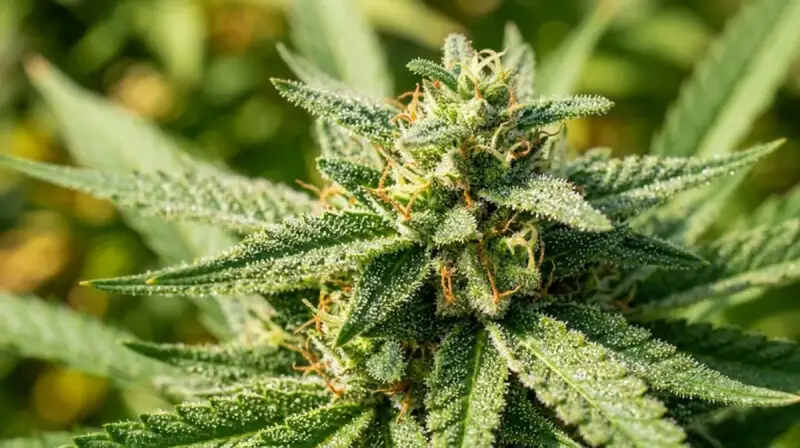
CBD for Cats: A Complete Guide for Pet Owners in 2024
As the pet wellness industry booms, cannabidiol (CBD) products for cats are drawing significant interest — and scientific scrutiny. Here's what the research actually says. |
- CBD (cannabidiol) is a non-intoxicating cannabinoid derived from hemp or cannabis plants that is being marketed for use in cats for anxiety, pain, and inflammation.
- Cats have a unique endocannabinoid system and metabolize compounds differently than dogs or humans — making species-specific research critical.
- The FDA has not approved any CBD product specifically for cats, leaving the market largely unregulated as of 2024.
- THC is highly toxic to cats even in tiny amounts — only THC-free, third-party tested CBD products should ever be considered.
- A 2021 Cornell University pilot study found that CBD oil was generally well-tolerated in cats at certain doses, but more robust clinical trials are still needed.
- Hemp-derived CBD products are federally legal under the 2018 Farm Bill, but state laws governing pet CBD vary significantly — check your state's cannabis laws.
- Always consult a licensed veterinarian before introducing CBD into any cat's health regimen.
Background: How CBD Entered the Pet Wellness Space
The explosion of CBD products in the United States following the passage of the 2018 Farm Bill didn't stop at human wellness. Pet owners — many of whom had experienced the potential benefits of cannabidiol for themselves — quickly turned to CBD as a potential tool for supporting their animals' health. Cats, in particular, represent a growing frontier for the pet CBD industry, even though feline-specific research lags considerably behind studies on dogs and humans.
Cannabidiol works by interacting with the endocannabinoid system (ECS), a complex cell-signaling network found in all mammals, including cats. The ECS plays a critical role in regulating mood, pain perception, immune response, and sleep. The endocannabinoid system explained in detail shows why cannabinoids can have wide-ranging physiological effects. In cats, CB1 and CB2 receptors — the primary targets of cannabinoids — have been identified in the brain, spinal cord, and peripheral tissues, suggesting that feline ECS activity is biologically meaningful.
However, cats are not small dogs, and they are certainly not small humans. Felines have a notably different hepatic (liver) metabolism. They lack or have reduced activity of certain liver enzymes — particularly glucuronyl transferase — which means they cannot process many compounds the way other mammals can. This is the same metabolic quirk that makes common medications like acetaminophen and certain essential oils extremely dangerous to cats. It raises important questions about how cats process CBD and its metabolites, and underscores why species-specific safety data is so important.
Despite the regulatory uncertainty, the market has moved aggressively. CBD oils, treats, and capsules specifically marketed for cats line the shelves of pet stores and e-commerce platforms across the country. The challenge for consumers is that product quality varies enormously, and the absence of FDA oversight means label accuracy, contaminant testing, and accurate dosing information are not guaranteed unless a manufacturer voluntarily provides third-party Certificates of Analysis (COAs).
"The enthusiasm for CBD in pet care is understandable, but the science must lead. We owe it to our animals to demand the same rigor we'd expect for any supplement or medication — especially in a species as metabolically unique as the cat."
Key Developments: A Timeline of CBD for Cats
The journey from cannabis plant to cat wellness product has been shaped by legislation, early research, and rapid commercialization. The table below tracks the most significant milestones:
| Year | Milestone | Significance |
|---|---|---|
| 2018 | Farm Bill legalizes hemp-derived CBD federally | Opens the door for legal CBD pet product manufacturing and retail sales across the US |
| 2019 | First wave of dedicated feline CBD products hits market | Brands launch cat-specific CBD oils and treats; no regulatory framework exists |
| 2019 | FDA sends warning letters to CBD companies making health claims | Establishes that unsupported medical claims for pets violate federal law |
| 2021 | Cornell University pilot study on CBD in cats published | First formal pharmacokinetic data on CBD in cats; showed general tolerability at low doses |
| 2022 | AVMA issues guidance encouraging vet-client conversation about CBD | American Veterinary Medical Association legitimizes the discussion without endorsing specific products |
| 2023 | Multiple states introduce pet-CBD specific labeling bills | State-level push to create minimum quality standards for CBD animal products |
| 2024 | FDA re-examines regulatory pathway for hemp CBD products | Ongoing agency review could reshape how cat CBD products are classified, sold, and labeled |

Impact on Consumers: What Cat Owners Need to Know Right Now
For the millions of Americans who share their homes with cats — approximately 46 million US households according to AVMA data — the rise of CBD pet products presents both opportunity and risk. The primary conditions cat owners report wanting to address with CBD include chronic pain (particularly in senior cats with arthritis), anxiety and stress-related behaviors, inflammatory conditions, and end-of-life palliative care support.
The impact on consumers is multifaceted. On the positive side, CBD represents a non-opioid, potentially low-side-effect complement to conventional veterinary care. Many cat owners who have explored medical cannabis resources for their own conditions are already familiar with how cannabinoids function and are motivated to explore similar options for their pets. For cats with chronic conditions where conventional medications carry significant side effects (such as NSAIDs, which can cause kidney damage in cats), a well-tolerated supplement is genuinely appealing.
On the risk side, consumers face a marketplace with inconsistent product quality. A 2020 study published in the Journal of the American Holistic Veterinary Medical Association found that CBD content in pet products frequently deviated from label claims — with some products containing far less CBD than advertised and others containing detectable THC levels. Since THC toxicity in cats can cause serious neurological symptoms including severe sedation, ataxia, and in extreme cases, fatal respiratory depression, this is not a trivial concern.
Practical guidance for cat owners includes: always requesting a third-party Certificate of Analysis before purchasing; choosing products that specifically state "non-detectable THC" on their COA; starting with the lowest possible dose and monitoring closely; and never substituting CBD for prescribed veterinary medications without explicit veterinary approval. Understanding how cannabinoids interact with biological systems is also helpful context for any pet owner navigating this space.
| Factor | What to Look For | Red Flags |
|---|---|---|
| THC Content | Non-detectable THC on third-party COA | No COA available; vague "trace amounts" language |
| CBD Accuracy | Label claim matches COA within ±10% | No COA; significant discrepancy between label and test |
| Contaminants | Tested for pesticides, heavy metals, mycotoxins | COA only tests cannabinoid content, not contaminants |
| Formulation | Cat-specific dosing; oil or soft chew format | Generic "pet" product with no species-specific guidance |
| Carrier Oil | MCT or hemp seed oil (both cat-safe in small amounts) | Essential oils (especially tea tree) or xylitol as ingredients |
| Manufacturer Transparency | US-grown hemp; GMP-certified facility; accessible COAs | Overseas sourcing; no facility certification; no contact info |
Industry Perspective: A Booming Market Seeking Legitimacy
The pet CBD market has grown from a niche curiosity into a multi-billion dollar segment of the broader pet wellness industry. Grand View Research estimated the global CBD pet market at approximately $1.8 billion in 2023, with projections suggesting it could exceed $4 billion by 2030. Cats represent a growing share of that market, as brands increasingly recognize the need for species-specific product lines rather than one-size-fits-all "pet" formulas.
Major pet wellness brands, specialty CBD companies, and even some traditional pet food manufacturers have entered or signaled interest in the feline CBD space. The challenge for all of them is a regulatory environment that remains deeply uncertain. The FDA's 2023 announcement that it would not pursue a general regulatory framework for CBD in food products — while simultaneously noting it might work with Congress on a dedicated pathway — left the pet CBD industry in limbo alongside the human CBD sector.
Industry leaders are increasingly self-regulating to build consumer trust and preempt stricter federal rules. The U.S. Hemp Authority, a certification program, has worked to establish voluntary standards for hemp-derived products including pet items. Brands pursuing this certification subject themselves to third-party audits of farming practices, manufacturing processes, and label accuracy — providing a meaningful quality signal in an otherwise unregulated space.
The broader legalization trend in the United States also matters here. As more states move toward adult-use cannabis legalization — and as the cannabis industry professionalizes — the science, testing infrastructure, and regulatory frameworks being built for human cannabis products will eventually benefit the pet CBD space. Understanding the state-by-state cannabis landscape is increasingly relevant for pet CBD businesses operating across state lines.

What Experts Say: Veterinary and Scientific Perspectives
The scientific and veterinary communities are approaching CBD for cats with cautious interest tempered by a demand for more rigorous data. The American Veterinary Medical Association (AVMA) has not endorsed CBD for any specific feline condition but has updated its guidance to encourage open veterinarian-client dialogue about CBD use — a significant shift from earlier years when many vets were legally uncertain about even discussing the topic.
The Cornell University College of Veterinary Medicine, which conducted a 2021 pharmacokinetic study on CBD in cats, found that a single dose of CBD oil was absorbed and metabolized without acute adverse events in healthy cats. Researchers noted, however, that cats showed higher plasma CBD concentrations than dogs given equivalent doses — a finding with important implications for dosing safety. The study's authors explicitly called for larger-scale, longer-duration studies before clinical recommendations could be made.
The American Holistic Veterinary Medical Association (AHVMA) has been somewhat more affirmative of CBD's potential, supporting research into cannabis-based therapeutics for animals and advocating for regulatory environments that allow veterinarians to discuss and…