









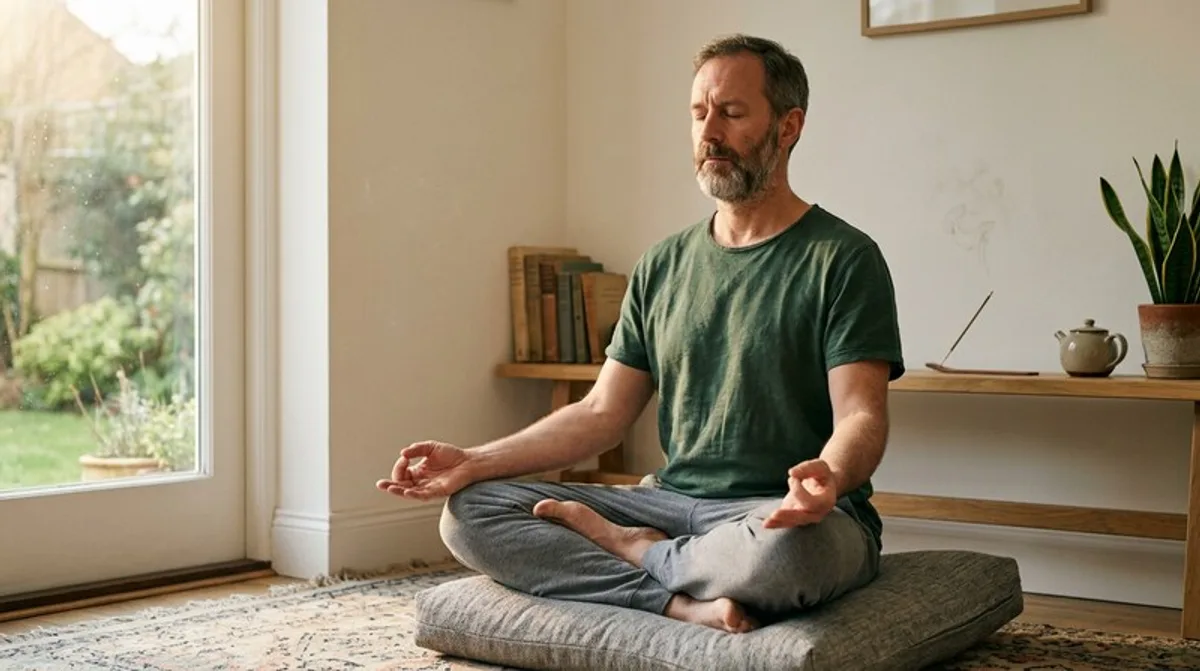
Cannabis Wellness Spas: The New Frontier in Self-Care
ZenWeedGuide Editorial Team |
By the ZenWeedGuide Editorial Team | Updated 2024 | 8 min read
- Cannabis wellness spas combine traditional spa services — massage, hydrotherapy, facials — with hemp-derived CBD or licensed THC products.
- Hemp-derived CBD spa treatments are legal nationwide under the 2018 Farm Bill; THC services require state adult-use or medical licensure.
- The global wellness economy exceeded $5.6 trillion in 2022, with cannabis wellness emerging as one of its fastest-growing sub-sectors.
- At least 12 states now have specific licensing frameworks for cannabis consumption lounges, many of which include spa-style amenities.
- Consumer demand is driven by interest in non-intoxicating pain relief, stress reduction, and alternatives to pharmaceutical wellness products.
- Consumers should verify product COAs, staff credentials, and state licensing before booking any cannabis spa treatment.
Across the United States, a quiet revolution is unfolding in the wellness industry. Cannabis wellness spas — establishments that weave cannabinoid-infused treatments into the fabric of traditional self-care — are no longer a niche curiosity. They are a rapidly maturing segment of both the cannabis and wellness markets, attracting curious consumers, serious investors, and increasingly, the attention of regulators. From CBD massage parlors in conservative Southern states to licensed THC lounges offering cannabis yoga in Colorado and California, the cannabis spa experience is redefining what it means to relax, recover, and reconnect. This guide examines how we got here, what these spaces offer, and what consumers need to know before stepping inside.
Background: The Roots of Cannabis Wellness
The idea of cannabis as a wellness tool is far from new. For millennia, cultures across Asia, the Middle East, and the Americas used cannabis preparations — oils, poultices, and infused baths — as remedies for pain, anxiety, and inflammation. Ancient Ayurvedic medicine incorporated cannabis into therapeutic preparations, and 19th-century Western pharmacopoeias routinely listed cannabis tinctures for a wide range of ailments. The modern concept of the cannabis wellness spa, however, is a product of very recent regulatory and cultural shifts.
The real turning point came with the passage of the 2018 Agriculture Improvement Act (the Farm Bill), which federally legalized hemp and hemp-derived CBD products containing less than 0.3% THC. Almost overnight, CBD-infused massage oils, bath salts, balms, and serums became available to spas in all 50 states. The wellness industry, already worth over $5.6 trillion globally according to the Global Wellness Institute, seized on CBD as a premium differentiator. High-end hotel spas, boutique wellness studios, and independent massage therapists began incorporating CBD treatments into their menus at a breakneck pace.
Meanwhile, on the THC front, the wave of state-level adult-use legalization — beginning with Colorado and Washington in 2012 and now encompassing more than 24 states with recreational programs — created the regulatory scaffolding for a more elevated cannabis spa experience. States began drafting frameworks for cannabis consumption lounges, and entrepreneurial operators recognized that pairing those lounges with spa-quality amenities represented a compelling business and wellness proposition. Understanding the basics of cannabinoids is essential for anyone considering these services, as the distinction between CBD and THC treatments carries real legal and physiological implications.
"Cannabis wellness is not a trend — it is the convergence of two of the most powerful consumer movements of our time: the global wellness revolution and the normalization of cannabis. The question is no longer whether this market will grow, but how quickly regulators can keep pace with consumer demand."
Key Developments: A Timeline of the Cannabis Spa Movement
| Year | Milestone | Significance |
|---|---|---|
| 2012 | Colorado & Washington legalize adult-use cannabis | Creates first legal framework for non-medical cannabis businesses, enabling future lounge concepts |
| 2015 | First dedicated cannabis spa opens in Denver, CO | Pioneers the pairing of licensed cannabis consumption with professional spa treatments |
| 2018 | Farm Bill federally legalizes hemp-derived CBD | Opens nationwide market for CBD spa products; mainstream spas begin adding cannabinoid menus |
| 2019 | Nevada passes SB 236, enabling cannabis consumption lounges | Las Vegas becomes a major destination for premium cannabis wellness experiences |
| 2020 | Luxury hotel chains begin piloting CBD spa programs | Signals mainstream acceptance; Four Seasons, Ritz-Carlton affiliates introduce hemp treatments |
| 2021 | New York & New Jersey adult-use legalization | East Coast market opens; NYC cannabis wellness venues begin development pipeline |
| 2022 | First licensed cannabis wellness lounges open in Nevada | NLCB approves consumption lounge licenses; spa-lounge hybrid model becomes viable in regulated market |
| 2023 | Minnesota & Delaware legalize adult-use cannabis | Expands geographic footprint; Midwest and Mid-Atlantic markets enter development stage |
| 2024 | Multiple states advance consumption lounge regulations | California, Illinois, and Colorado refine lounge rules; cannabis spa sector reaches estimated 200+ licensed venues |
The timeline above illustrates how the cannabis spa movement has tracked closely with the broader arc of legalization. Each new state that opens an adult-use market represents a potential new hub for cannabis wellness businesses, and each federal regulatory update — particularly around hemp and CBD — expands the addressable consumer base for the industry's lower-THC tier.
Impact on Consumers: What Cannabis Spas Mean for You
For everyday cannabis consumers and wellness seekers alike, the rise of cannabis spas represents a genuinely new category of experience — one that blends the therapeutic potential of cannabinoids with the proven benefits of professional spa services. The implications are broad and, for many consumers, exciting.
Access to non-intoxicating relief: Many consumers are drawn to CBD spa treatments precisely because they offer potential relief from muscle soreness, joint pain, and stress without any intoxicating effect. CBD topicals applied during massage or in body wraps interact with the body's endocannabinoid system locally, making them appealing to consumers who want the potential anti-inflammatory benefits of cannabinoids without THC's psychoactive effects. Strains high in specific terpenes like myrcene and linalool are sometimes incorporated into aromatherapy elements at cannabis spas, further enhancing relaxation.
A social consumption option: For adult-use consumers in legal states, cannabis spas and consumption lounges fill a genuine gap: a comfortable, professionally managed environment in which to consume cannabis socially, beyond the home. This is particularly meaningful for tourists visiting legal states who may not want to consume in hotel rooms, as well as for consumers who live in multi-unit housing where smoking is prohibited.
Personalized cannabinoid experiences: Higher-end cannabis wellness venues increasingly offer consultations in which trained staff help guests select strains, products, and consumption methods tailored to their wellness goals. Whether a guest is seeking relief from chronic pain, help with sleep, or simply a relaxing afternoon experience, staff can guide them toward appropriate cannabis strains and formulations. Understanding the differences between indica, sativa, and hybrid effects can help consumers make informed choices before their appointment.
Drug testing considerations: One concern consumers frequently raise is whether a cannabis spa treatment could affect a drug test. For purely topical CBD treatments, the risk is low — topicals generally do not enter the bloodstream at levels detectable by standard drug screens. However, any service involving THC consumption, even in small amounts, carries a real risk of producing detectable metabolites. Consumers subject to workplace drug testing should exercise significant caution and consult the spa's staff about the specific products used in their treatment.
Industry Perspective: A Market on the Rise

From a purely commercial standpoint, the cannabis wellness spa market sits at a remarkable intersection. The global wellness economy, according to the Global Wellness Institute's 2023 report, is on track to reach $8.5 trillion by 2027. Cannabis, meanwhile, is the fastest-growing consumer goods category in states where it is legal. Cannabis wellness spas capture spending from both ecosystems simultaneously.
Investors have taken notice. Venture capital and private equity flows into cannabis wellness businesses have increased substantially since 2020, with particular interest in scalable concepts — branded spa chains, hotel partnerships, and franchise models — that can expand as more states legalize. The Las Vegas market, where consumption lounges have been active since 2022, has become a proving ground for the high-end cannabis hospitality model, with venues reporting average per-guest spending well above that of traditional dispensaries.
| Service Type | Cannabis Component | Legal Status | Avg. Price Range | Drug Test Risk |
|---|---|---|---|---|
| CBD Massage | Hemp-derived CBD oil | All 50 states | $90–$200 | Very Low |
| CBD Facial | Hemp CBD serum/oil | All 50 states | $80–$175 | Very Low |
| Hemp Body Wrap | Hemp extract/CBD | All 50 states | $100–$220 | Very Low |
| Terpene Aromatherapy | Cannabis-derived terpenes | Varies by state | $60–$130 | Very Low |