









Cannabis Sommelier Training: The Emerging Profession Reshaping How America Buys Weed
ZenWeedGuide Editorial Team |
Updated 2025 | 8 min read | ZenWeedGuide Editorial Team
- Cannabis sommelier programs train professionals in terpene science, cannabinoid ratios, sensory evaluation, and responsible consumption guidance.
- No single federally recognized accrediting body yet exists — certifications vary widely in rigor and employer acceptance.
- Programs are offered by private cannabis schools, culinary institutions, and online platforms; costs range from $200 to over $3,000.
- Certified sommeliers work in dispensaries, hospitality, media, consulting, and cannabis tourism — one of the industry's fastest-growing niches.
- Consumers benefit directly through more accurate product recommendations, safer pairing guidance, and an elevated retail experience.
- Cannabis laws vary by state — check your state's legal status before purchasing or consuming any cannabis product.
Background: From Black Market to Boardroom Sommelier
The word "sommelier" conjures images of candlelit dining rooms, leather-bound wine lists, and the quiet authority of a professional who knows exactly which Burgundy will complement your duck confit. For most of the 20th century, no one would have applied that frame to cannabis. But as legal adult-use markets have matured across the United States — now spanning more than 24 fully legal states and dozens of medical programs — the industry has arrived at an inflection point that mirrors the professionalization of wine, craft beer, and spirits.
The parallel is not merely cosmetic. Like grapes, cannabis plants express dramatically different sensory, chemical, and experiential profiles depending on genetics, growing environment, cultivation technique, and post-harvest handling. A high-myrcene Indica-dominant strain bred in the humid lowlands of a California greenhouse is a fundamentally different product from a limonene-forward Sativa grown under Colorado mountain sun. Helping consumers navigate that complexity — especially in a marketplace flooded with hundreds of SKUs — is a genuine professional skill, and the cannabis industry has begun building the credentialing infrastructure to formalize it.
The concept of a cannabis-specific expertise credential dates to the early 2010s, when a handful of pioneering educators in Colorado and California began offering informal tasting and evaluation workshops. These evolved into structured curricula after adult-use legalization created a commercial demand for hospitality-trained cannabis staff. By the late 2010s, the term "cannabis sommelier" had entered mainstream media. Today, multiple competing certification bodies offer programs that range from weekend workshops to multi-month professional courses, and major dispensary chains are beginning to list sommelier credentials in job postings.
Understanding this profession matters for consumers, not just aspiring professionals. A well-trained cannabis sommelier in your local dispensary can be the difference between a product that suits your desired effects and one that leaves you anxious, groggy, or disappointed. As medical cannabis use grows among older adults and condition-specific patients, the stakes of accurate guidance rise considerably.
Key Developments: A Timeline of Cannabis Sommelier Education
| Year | Milestone | Significance |
|---|---|---|
| 2012 | Colorado & Washington pass adult-use legalization | Creates first large-scale legal consumer markets, spurring demand for educated retail staff |
| 2014 | Early cannabis evaluation workshops emerge in Denver & LA | Informal precursors to formal sommelier programs; focused on terpene ID and strain comparison |
| 2016 | Cannabis Sommelier Program launches in Canada | First structured curriculum modeled explicitly on wine sommelier training; influences US programs |
| 2018 | US Hemp Farm Bill passes; CBD market explodes | Expands demand for terpene-literate educators beyond THC-focused dispensaries |
| 2019 | Cannabis Career Institute & similar US schools formalize offerings | Online and in-person certification programs gain traction in California, Colorado, and Nevada |
| 2020–21 | COVID-19 drives online cannabis education growth | Virtual platforms democratize access; enrollment in cannabis education programs surges 40%+ |
| 2022 | Luxury hospitality sector adopts cannabis pairing events | Hotels, restaurants, and event companies hire credentialed sommeliers for elevated consumer experiences |
| 2023 | First cannabis sommelier competitions held at major trade expos | Blind sensory evaluations modeled on wine competitions raise professional bar for the credential |
| 2024–25 | Multi-state operators add sommelier roles to corporate hiring | Mainstream retail validation; credential moves from novelty to legitimate career pathway |

The pace of development is striking. What began as informal tasting circles has, in roughly a decade, produced a recognizable profession with competing certifying bodies, salary benchmarks, and a growing body of educational literature. The trajectory closely mirrors what happened with craft beer's Cicerone certification program, which launched in 2008 and now counts over 100,000 credentialed professionals worldwide.
Impact on Consumers: Why a Sommelier in Your Dispensary Matters
For the average adult-use consumer walking into a dispensary, the sheer volume of product choice can be paralyzing. Hundreds of strains, dozens of concentrate types, a wall of edibles with varying onset times and dosages — navigating all of it without guidance is genuinely difficult. This is precisely where a trained cannabis sommelier adds value that a standard budtender may not.
Certified sommeliers are trained to conduct what the industry calls a "cannabis consultation" — a structured conversation about your experience level, desired effects, flavor preferences, consumption method, and any sensitivities or medical considerations. Armed with that profile, they can recommend products with a specificity that goes beyond "this one gets you really high." They can explain why a high-myrcene strain might help with sleep, why CBD-to-THC ratio matters for anxiety management, or why a live resin concentrate will taste dramatically different from a distillate — even if both come from the same cultivar.
Consumers who have interacted with sommelier-trained staff consistently report higher satisfaction with purchases and lower rates of adverse experiences. This matters especially for:
- First-time consumers who are overwhelmed by choice and nervous about overconsumption
- Medical patients seeking condition-specific guidance on cannabis as a therapeutic tool
- Experienced users looking to refine their palate, explore new cultivars, or optimize for specific experiences
- Cannabis tourists visiting legal states who may be unfamiliar with local regulations and product types
There is also a safety dimension. A well-trained sommelier will proactively advise on responsible dosing, onset times for edibles, and interactions between cannabis and common medications — information that can prevent the kind of overconsumption incidents that give regulators and critics ammunition against adult-use legalization. If you're ever uncertain about drug testing implications or how a product might affect your daily life, a certified sommelier is a far better resource than a quick Google search.
Industry Perspective: A Growing Market With Real Business Stakes

From a business perspective, the rise of cannabis sommeliers reflects a broader maturation of the legal market — a shift from volume-driven commodity sales toward value-driven experiential retail. Multi-state operators (MSOs) like Curaleaf, Green Thumb Industries, and Cresco Labs have invested heavily in staff training programs that incorporate elements of sommelier education, recognizing that knowledgeable staff drive higher basket sizes, stronger customer loyalty, and better reviews.
| Program / Issuer | Format | Duration | Approx. Cost | Key Focus Areas |
|---|---|---|---|---|
| Cannabis Sommelier Program (CSP) | Online + In-Person | 3–6 months | $1,500–$2,500 | Terpenes, cannabinoids, sensory eval, pairing |
| Oaksterdam University (CA) | In-Person / Hybrid | 8–16 weeks | $1,000–$3,000 | Cultivation, science, retail, policy |
| Cannabis Career Institute | Online | Weekend / Self-paced | $200–$500 | Dispensary operations, product knowledge |
| Green Flower Cannabis Education | Online | Self-paced | $300–$800 | Strain science, terpenes, consumer guidance |
| Trichome Institute (CO) | In-Person / Online | 1–3 days per level | $400–$1,200 | Interpening™ methodology, flower evaluation |
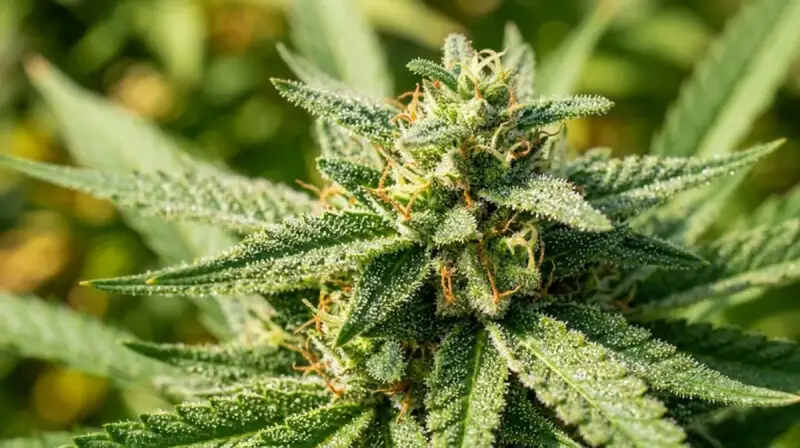
The Trichome Institute's "Interpening" methodology deserves special mention. Developed by Max Montrose, Interpening teaches practitioners to assess cannabis flower quality and predict effects through direct sensory observation — examining trichome coverage, aroma profile, moisture content, and structural characteristics without relying solely on lab test data or marketing claims. It has become one of the most widely cited frameworks in professional cannabis evaluation and represents the kind of rigorous, codified methodology that distinguishes serious credential programs from marketing certificates.
Cannabis tourism is another powerful driver. States like Colorado, Nevada, California, and Michigan have seen rapid growth in cannabis-focused hospitality — consumption lounges, infused dining events, farm tours, and curated strain flights. All of these experiences require staff who can guide participants with the same expertise and poise that a fine dining sommelier brings to a wine pairing dinner. This niche is expected to generate hundreds of millions in revenue annually by 2027, and credentialed sommeliers are at the center of it.
What Experts Say: Industry and Advocacy Voices
"The professionalization of cannabis retail isn't just good for business — it's essential for public health. When consumers receive accurate, science-based guidance, they make better decisions, have better experiences, and become advocates for responsible legalization."
Organizations like NORML (National Organization for the Reform of Marijuana Laws) and the Marijuana Policy Project (MPP) have long emphasized that quality regulation and consumer education go hand in hand. NOR…