









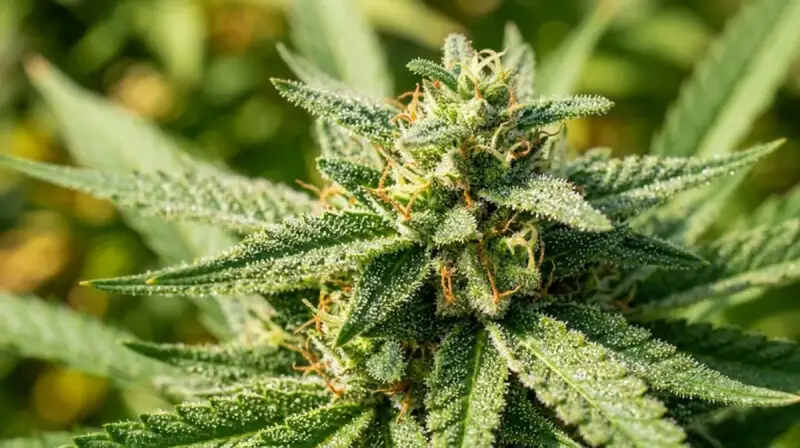
Cannabis Smell Proof Bags: The Complete 2025 Consumer & Industry Guide
ZenWeedGuide Editorial Team |
Updated June 2025 | By the ZenWeedGuide Editorial Team
- Smell proof bags use activated carbon lining and airtight seals to trap and neutralize cannabis odor molecules at the molecular level.
- The cannabis accessories segment — including smell proof storage — is growing at an estimated 12–15% CAGR as legalization expands across the US.
- In legal states, smell proof bags serve dual purposes: odor discretion and child-safety compliance for responsible home storage.
- No commercially available bag is guaranteed to defeat a trained K9 unit, though premium bags significantly reduce ambient odor detectable by humans.
- Features to prioritize include activated carbon lining, double-airtight zippers, food-grade interiors, and lockable closures.
- Consumers in all US states should verify local cannabis transport and storage laws before relying on smell proof bags for travel.
- Terpene preservation is an underappreciated benefit — quality bags protect terpene profiles from oxygen and moisture degradation.
Background: Why Smell Proof Storage Matters
Cannabis has one of the most distinctive and instantly recognizable aromas in the plant kingdom. That scent — produced by a complex blend of terpenes including myrcene, limonene, pinene, and caryophyllene — is part of what makes the plant beloved by enthusiasts and medical patients alike. But in a country where cannabis legality varies dramatically from state to state, that same aroma has long created real-world problems for consumers: nosy neighbors, awkward public moments, and in prohibition jurisdictions, potential legal exposure.
The demand for smell proof cannabis storage isn't new. Long before dispensaries existed, consumers improvised with mason jars, vacuum-seal food bags, and multiple layers of plastic. The difference today is that a sophisticated commercial market has emerged, producing purpose-built solutions that combine materials science with consumer-friendly design. As more states legalize cannabis for adult use or medical purposes, smell proof bags have evolved from a niche workaround into a mainstream product category — sold openly in dispensaries, head shops, and online marketplaces nationwide.
Understanding how these bags work, what separates quality products from cheap imitations, and what the legal landscape means for their use is genuinely important consumer knowledge. Whether you're a daily recreational user in California, a medical patient in Florida, or someone curious about responsible storage best practices, this guide covers everything you need to know.
It's also worth noting that smell proof bags offer a secondary benefit that often goes undiscussed: terpene and cannabinoid preservation. Oxygen, humidity, and UV light all degrade the potency and flavor profile of cannabis over time. A well-sealed, opaque bag with a food-grade interior slows that degradation meaningfully — making quality storage a matter of product quality as much as discretion. For more on how storage affects your experience, see our cannabis explainers.
Key Developments: A Timeline of Smell Proof Cannabis Storage
The evolution of cannabis smell proof technology tracks closely with broader legalization milestones and advances in materials science. The table below highlights the major developments that brought the category to where it is today.
| Year | Development | Significance |
|---|---|---|
| Pre-2000s | Consumer improvisation with mason jars, zip-lock bags, and vacuum sealers | No purpose-built market; consumers adapted food storage solutions |
| 2000–2009 | First dedicated "stash bags" appear in head shops; limited activated carbon use | Early market formation; quality inconsistent and largely unregulated |
| 2012 | Colorado and Washington become first states to legalize adult-use cannabis | Legitimate retail demand emerges; storage products gain mainstream visibility |
| 2014–2016 | Activated carbon lining technology adopted from industrial odor-control sector | Dramatic improvement in odor containment effectiveness; premium segment born |
| 2018 | Canada federally legalizes cannabis; US hemp legalized via Farm Bill | North American market for accessories expands significantly; global brand entry |
| 2019–2021 | Major e-commerce platforms (Amazon, Etsy) begin allowing smell proof bag listings | Consumer access increases dramatically; price competition drives quality pressure |
| 2022–2023 | Child-resistant and lockable designs proliferate; dispensaries stock curated selections | Safety features move from optional to expected; institutional buyers (dispensaries) raise bar |
| 2024–2025 | Third-party lab odor testing emerges; "smart" hygrometer-equipped bags appear | Category matures with verifiable performance claims; humidity control integration |

Impact on Consumers: What This Means for Everyday Cannabis Users
For the everyday cannabis user, smell proof bags address several very practical concerns that go beyond simple discretion. Let's break them down honestly.
Discretion and Social Comfort: Even in fully legal states, many consumers prefer to keep their cannabis use private — from landlords, employers, family members, or simply the general public. A quality smell proof bag means you can store flower at home or carry it in a backpack without broadcasting its presence to everyone in the vicinity. This is especially relevant for medical patients who may use cannabis in semi-public settings like a car before a medical appointment, or caregivers transporting product for patients.
Child Safety: Lockable smell proof bags serve a genuine child safety function. While dedicated child-resistant packaging is required at the point of sale in most legal states, secondary storage at home is the consumer's responsibility. A locked, opaque bag is a meaningful deterrent. Organizations like the medical cannabis community consistently emphasize that responsible home storage is part of being a conscientious patient or user.
Product Quality Preservation: This is the benefit that often surprises new users. Cannabis exposed to oxygen, moisture fluctuations, and light degrades noticeably within weeks. The same terpenes responsible for the aroma also define the flavor and contribute to the effects profile of any given strain. A well-sealed, food-grade interior bag — ideally combined with a boveda or similar humidity pack — preserves both potency and flavor profile significantly longer than leaving product in an open container or thin plastic bag.
Legal Considerations During Transport: In legal states, cannabis transport laws typically require product to be in its original, sealed dispensary packaging while in a vehicle, or secured in a container in the trunk. Smell proof bags don't replace this legal requirement, but they add an additional layer when storing opened product at home or in a hotel room while traveling. Always consult your specific state's cannabis laws before assuming any storage method makes transport legal.
| Bag Type | Odor Control | Preservation | Child Safety | Approx. Price | Best For |
|---|---|---|---|---|---|
| Basic Zip-Lock Pouch | Low (20–40%) | Minimal | None | $5–$15 | Short-term, occasional use |
| Double-Seal Nylon Bag | Moderate (50–70%) | Fair | None | $15–$30 | Daily carry without premium odor control |
| Activated Carbon Lined Bag | High (85–95%) | Good | Optional lock | $30–$70 | Home storage, discreet daily carry |
| Premium Sealed + Carbon + Hygrometer | Very High (95–99%) | Excellent | Lockable | $60–$120+ | Medical patients, connoisseurs, bulk storage |
Industry Perspective: A Market Coming of Age

The cannabis accessories market — encompassing everything from vaporizers and pipes to storage solutions like smell proof bags — has matured dramatically alongside legalization. Industry analysts estimate the global cannabis accessories market exceeded $420 million in 2024, with smell proof storage representing a meaningful and growing slice. What was once the domain of underground head shops is now stocked prominently at licensed dispensary counters, major sporting goods retailers, and home goods stores.
Several macro trends are shaping where this market goes next. First, the premiumization trend: as cannabis consumers become more educated and discerning — much like wine or whiskey enthusiasts — they increasingly demand accessories that match the quality of their product. Budget bags with poor seals and non-food-grade interiors are losing ground to brands that invest in materials quality and publish verifiable performance data.
Second, dispensary integration is changing how smell proof bags reach consumers. Many licensed dispensaries now bundle storage bags with premium flower purchases, particularly for medical patients. This channel provides legitimacy and quality assurance that online marketplaces can't always match. Dispensaries curate their accessory selections and are responsive to consumer complaints in ways that anonymous e-commerce sellers are not.
Third, the hemp and CBD market has broadened the addressable customer base significantly. Following the 2018 Farm Bill's legalization of hemp-derived products, millions of CBD consumers who would never identify as "cannabis users" in the traditional sense now have reason to purchase odor-control storage for hemp flower — which is legally distinct from marijuana but smells virtually identical and can create the same social and logistical friction.
"The smell proof bag category is no longer a niche accessory — it's becoming a standard part of responsible cannabis ownership, just as a good wine rack or cigar humidor is standard for enthusiasts of those products. The brands that will win long-term are those treating it with that same level of seriousness."
What Experts Say: Advocacy, Safety, and Consumer Rights
Cannabis advocacy organizations have increasingly incorporated storage guidance into their broader consumer education efforts, recognizing that responsible use extends to how products are stored and transported.
NORML (the National Organization for the Reform of Marijuana Laws), one of the oldest and most prominent cannabis advocacy groups in the US, consistently emphasizes that responsible storage is a cornerstone of the case for legalization. Their position: legal, regulated cannabis should come with legal, sanctioned storage options — and smell proof bags are a reasonable consumer choice that helps users be good neighbors and responsible…