









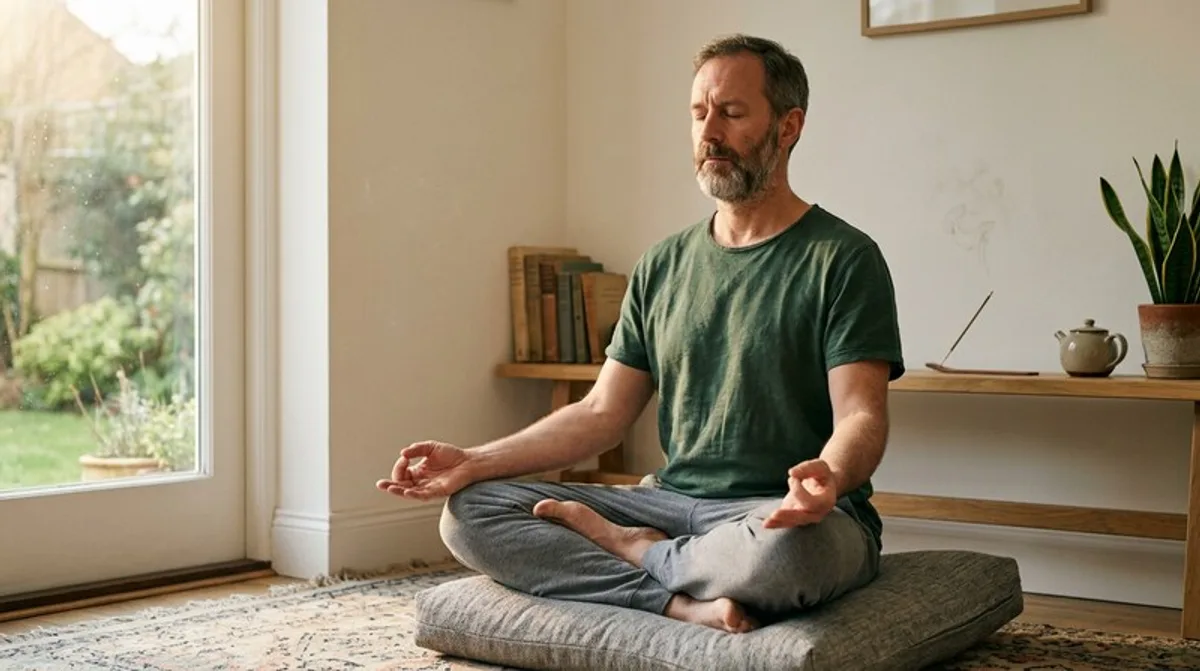
Cannabis Retreat Centers: The Rise of a New Wellness Industry
ZenWeedGuide Editorial Team |
Updated July 2025 | By the ZenWeedGuide Editorial Team | News & Analysis
- Cannabis retreat centers blend guided cannabis consumption with structured wellness programming including yoga, meditation, and breathwork.
- They operate legally only in states with adult-use or medical cannabis frameworks — currently including Colorado, California, Oregon, Nevada, and others.
- The global cannabis wellness market is projected to reach $4.6 billion by 2030, with retreats representing one of the fastest-growing segments.
- Day retreats can cost $75–$300; multi-day residential programs range from $500 to $3,000+ in the US.
- International cannabis retreats in Jamaica, the Netherlands, and Canada offer legal alternatives for US travelers from non-legal states.
- Consumers should be aware that cannabis consumed at retreats can trigger positive results on drug tests for days or weeks afterward.
- Oregon's Measure 110 and Colorado's Proposition 122 have opened new regulatory pathways that indirectly support the retreat model.
- Retreat operators must navigate a patchwork of state, county, and municipal licensing requirements that vary significantly.
The American wellness industry has long embraced yoga retreats, meditation centers, and spa escapes. Now, a new category is carving out serious real estate on the wellness map: the cannabis retreat center. These purpose-built or repurposed facilities combine intentional cannabis consumption with structured therapeutic programming, offering adults 21 and older an immersive, guided experience that goes far beyond simply visiting a dispensary in their home state.
As more states legalize recreational and medical cannabis, entrepreneurs, wellness professionals, and cannabis advocates are seizing on the opportunity to create elevated, educational, and community-centered experiences. The sector is maturing rapidly, attracting investment from both the cannabis industry and the broader wellness and hospitality markets. But it also operates in one of the most complex regulatory environments in American business — one that requires consumers and operators alike to stay informed.
Background: How Cannabis Retreats Emerged
The concept of a "cannabis retreat" did not appear overnight. Its roots trace to the underground cannabis culture of the 1960s and 1970s, where communal consumption in natural settings carried spiritual and countercultural significance. But the modern, structured cannabis retreat model has much closer ancestors: the psychedelic retreat movement, which gained momentum in the 2010s as research into psilocybin and MDMA-assisted therapy began attracting mainstream attention.
As states like Colorado (2012) and Washington (2012) became the first to legalize adult-use cannabis, a secondary question immediately arose: where could adults legally consume cannabis away from home or hotel rooms that prohibited it? This "social consumption" gap was identified by entrepreneurs as both a problem and an opportunity. Early consumption lounges in Denver and Seattle pointed toward what was possible, but they lacked the wellness programming dimension that would define the retreat model.
The broader wellness industry also played a crucial role. According to the Global Wellness Institute, the wellness economy exceeded $5.6 trillion globally by 2022, with consumers increasingly willing to spend on experiential health programming. Cannabis, already repositioned by medical cannabis research as a therapeutic substance rather than purely a recreational drug, fit naturally into this premium wellness frame.
Oregon's landmark Measure 110 in 2020 and subsequent psilocybin service center regulations in 2023 created a legal and cultural template that cannabis retreat operators have studied closely. Meanwhile, Jamaica — which has long tolerated cannabis use under its Rastafarian cultural traditions and moved to decriminalize in 2015 — became a proving ground for internationally operating cannabis retreat businesses that catered heavily to American tourists from states where consumption lounges remained illegal.
By 2023 and 2024, the US cannabis retreat market had begun to professionalize meaningfully. Trade associations, certification bodies for cannabis wellness educators, and dedicated insurance products for retreat operators all began to emerge. The segment had evolved from an underground novelty into a nascent but legitimate industry vertical.
Key Developments: A Timeline of the Cannabis Retreat Industry
| Year | Development | Significance |
|---|---|---|
| 2012 | Colorado & Washington legalize adult-use cannabis | Creates first legal framework for recreational consumption; social consumption gap emerges |
| 2014–2016 | First cannabis yoga events appear in Colorado and California | Establishes proof-of-concept for cannabis + wellness programming |
| 2018 | Jamaica begins formally licensing cannabis retreats targeting US tourists | International model demonstrates demand among American consumers |
| 2019 | Colorado passes HB 1230 allowing cannabis hospitality businesses | First US state to create explicit legal framework for cannabis social consumption venues |
| 2020 | Nevada launches cannabis consumption lounge pilot program | Second US state framework; spurs development of lounge-to-retreat pipeline |
| 2021 | New Jersey and New York legalize adult-use cannabis | Massive new markets; social consumption rules under development |
| 2022 | First licensed multi-day cannabis retreats open in Colorado | Marks maturation from day events to full residential retreat model |
| 2023 | Oregon's psilocybin service center model influences cannabis retreat licensing discussions | Regulatory innovation creates template for guided-consumption service model |
| 2024 | Cannabis wellness certification programs launch; dedicated retreat insurance products emerge | Industry professionalization signals long-term market viability |
| 2025 | Multi-state retreat operators begin scaling; luxury cannabis resort concepts announced | Sector attracting mainstream hospitality and investment capital |

Impact on Consumers: What This Means for Everyday Cannabis Users
For adult cannabis consumers, retreat centers represent something genuinely new: a structured, social, and educational environment for consumption that is distinct from both solitary home use and the transactional experience of a dispensary. The implications are significant across several dimensions.
Education and Intentionality. Many retreat attendees report that the guided experience meaningfully deepens their relationship with cannabis. Rather than self-selecting a strain based on a budtender's recommendation and consuming alone, retreat programming typically includes dosing guidance, terpene education, intention-setting exercises, and facilitated integration sessions after consumption. This mirrors the "set and setting" philosophy long associated with responsible psychedelic use and has practical benefits: consumers learn how to use cannabis more effectively for their specific wellness goals, whether that's stress relief, creative stimulation, or physical relaxation.
Accessibility and Inclusion. For consumers who live in apartments, shared housing, or states with restrictive public consumption laws, retreats provide legal access to a comfortable consumption environment that many take for granted. This is especially relevant for tourists from states where cannabis remains illegal — though consumers should remember that bringing any cannabis across state lines, even between two legal states, remains a federal offense.
Drug Testing Considerations. This is a critically important practical concern. Any cannabis consumed at a retreat — regardless of how mindful or therapeutic the context — will produce THC metabolites that may be detectable on a drug test. Urine tests, the most common form of workplace drug screening, can detect THC metabolites for 3 to 30 days depending on frequency of use and individual metabolism. Consumers subject to employment drug testing, professional licensing requirements, or federal employment should carefully evaluate this risk before attending any cannabis retreat.
Medical Cannabis Patients. For medical cannabis patients, retreats can offer specialized programming not typically available through dispensaries alone, including consultations with cannabis-educated health professionals, condition-specific wellness curricula, and community with other patients. Some retreat operators are developing programming specifically for conditions including chronic pain, PTSD, anxiety, and insomnia. Patients should always consult their healthcare provider before changing or supplementing their cannabis regimen.
Industry Perspective: A Market With Real Momentum
From a business perspective, the cannabis retreat sector occupies a compelling intersection of two booming markets: cannabis and wellness tourism. The global wellness tourism market exceeded $800 billion in 2022 and is growing at roughly 20% annually, according to the Global Wellness Institute. Cannabis wellness, as a sub-segment, is projected to reach $4.6 billion by 2030.
The retreat model offers cannabis operators something highly valuable in a commoditizing market: pricing power. A gram of cannabis flower purchased at a Colorado dispensary might retail for $8–$15. That same gram, consumed within a structured retreat experience that includes professional facilitation, curated programming, gourmet meals, and a scenic natural setting, can represent just a fraction of a $500 per-day retreat fee. The cannabis itself becomes almost incidental to the experience being sold.
| Retreat Type | Duration | Typical Price Range | Key Features | Primary Market |
|---|---|---|---|---|
| Cannabis Yoga/Wellness Day | 4–8 hours | $75–$300 | Guided consumption, yoga, meditation | Local adult-use consumers |
| Weekend Retreat (US) | 2–3 days | $500–$1,500 | Accommodation, farm tours, workshops | Regional cannabis tourists |
| Multi-Day Residential (US) | 4–7 days | $1,500–$3,500 | Full board, medical consultation, integration | Wellness-focused consumers |
| International Retreat (Jamaica/NL) | 5–10 days | $1,500–$5,000+ | Legal tourist consumption, cultural immersion | US consumers from non-legal states |
| Luxury Cannabis Resort |