









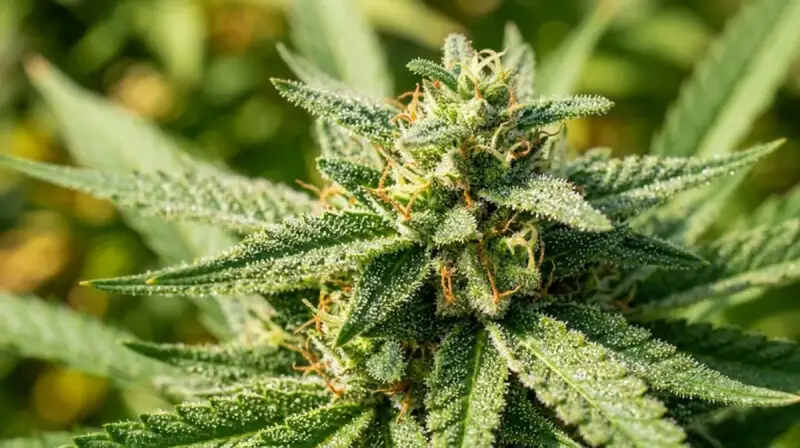
Cannabis Quality Indicators: The Complete Consumer Guide
Updated by the ZenWeedGuide Editorial Team • Cannabis News & Analysis |
- Cannabis quality is determined by a combination of factors: cannabinoid potency, terpene richness, appearance, aroma, moisture content, and lab-verified safety.
- A Certificate of Analysis (COA) from a licensed third-party lab is the gold standard for verifying product quality and safety.
- THC percentage alone is a poor proxy for quality — research shows terpenes play a critical role in the overall effect and experience.
- Mandatory testing requirements vary dramatically across legal states, meaning consumer protections are uneven nationwide.
- Black market and unlicensed products carry significant contamination risks including pesticides, heavy metals, and mold.
- Proper storage in UV-resistant, airtight packaging preserves quality and prevents terpene degradation over time.
- Consumers in legal states should always purchase from licensed dispensaries and ask for COA documentation.
Background: Why Cannabis Quality Matters More Than Ever
As legal cannabis markets mature across the United States, consumers are increasingly confronted with an overwhelming array of products — from flower and concentrates to edibles, tinctures, and topicals. Navigating this landscape requires more than just knowing which strains you prefer. Understanding how to evaluate quality has become an essential skill for any informed adult-use or medical cannabis consumer.
Historically, cannabis quality assessment was entirely subjective — a buyer would examine appearance, smell the product, and rely on word of mouth. In the illicit market, there were no regulatory guardrails, no lab results, and no accountability. A consumer had no way of knowing whether a product contained pesticide residues, mold, or heavy metals. The emergence of state-regulated legal markets beginning in 2012 fundamentally changed this equation by introducing mandatory laboratory testing requirements, standardized labeling, and enforceable product safety standards.
Yet the system remains far from perfect. Testing standards vary widely from state to state. Some states require comprehensive panels testing for dozens of pesticides, heavy metals, microbial contaminants, and residual solvents, while others have more limited requirements. Potency inflation — the practice of labs inflating reported THC percentages to give producers a competitive edge — has also been documented and remains a significant concern undermining consumer trust. Understanding what quality indicators actually mean, and which ones to prioritize, has never been more important.
For medical cannabis patients, quality is not just a matter of preference — it is a health priority. Contaminated products can cause serious harm, particularly for immunocompromised patients who may be more vulnerable to fungal infections or chemical toxicants. And for recreational consumers simply seeking a consistent, enjoyable experience, understanding quality markers helps set accurate expectations and avoid disappointment.
"The cannabis industry's fixation on THC percentage is one of the most persistent myths we need to correct. Quality flower is about the whole plant — the full spectrum of cannabinoids and terpenes working together. A rich terpene profile and genetic integrity matter far more than chasing the highest THC number on a label."
Key Developments: Milestones in Cannabis Quality Standards
The evolution of cannabis quality standards in the United States has been shaped by regulatory milestones, scientific research, and advocacy efforts that have gradually raised the bar for what consumers can expect from legal products.
| Year | Milestone | Significance |
|---|---|---|
| 2012 | Colorado & Washington legalize adult-use cannabis | First states to mandate lab testing and standardized labeling for legal cannabis products |
| 2013 | First accredited cannabis testing labs open | Introduction of third-party COA verification for potency and contaminants |
| 2016 | California passes Prop 64 (AUMA) | Largest U.S. market adopts comprehensive testing including terpene profiling |
| 2018 | Oregon suspends multiple cannabis products over pesticide failures | Highlighted systemic testing gaps; drove regulatory reform in multiple states |
| 2019 | VAPI/EVALI outbreak linked to illicit vape products | Underscored dangers of untested, unlicensed cannabis products; boosted demand for COAs |
| 2021 | Massachusetts releases report on potency inflation | First state-level investigation confirming systematic THC overstatement by testing labs |
| 2022 | ASTM International publishes cannabis testing standards (D8210) | First national framework for harmonizing cannabis quality and safety testing protocols |
| 2023 | Leafly & third-party researchers publish terpene-experience correlation data | Advances scientific understanding of terpene profiles as quality and experience predictors |
| 2024 | Multiple states expand mandatory terpene testing | Signals industry shift toward holistic quality metrics beyond THC percentage |

Impact on Consumers: How Quality Indicators Affect Your Experience
For everyday cannabis consumers, understanding quality indicators translates directly into better purchasing decisions, safer consumption experiences, and more consistent outcomes. Let's break down the key quality markers and what each one means for you.
Terpene Profile and Aroma
Terpenes are aromatic compounds that give cannabis its distinctive smell and flavor — and they do far more than that. Research increasingly supports the theory that terpenes modulate the effects of cannabinoids through what scientists call the entourage effect. A product rich in terpenes like myrcene, limonene, linalool, and caryophyllene will deliver a more complex, nuanced experience than one that has lost its terpene content through poor storage or processing. Always smell before you buy when possible — robust, complex aroma is a hallmark of quality flower.
Visual Appearance and Trichome Density
High-quality cannabis flower should be visually striking. Look for dense, well-trimmed buds coated in a visible layer of glistening trichomes — the tiny resin glands that contain cannabinoids and terpenes. Colors can vary widely by strain, from bright greens and deep purples to amber hues, but all high-quality flower should appear vibrant and healthy, never brown, overly dry, or visibly moldy. Seeds and excessive stems are signs of poor cultivation or processing. A magnifying loupe or jeweler's glass can help evaluate trichome maturity and density more precisely.
Moisture Content and Texture
Properly cured cannabis should have a moisture content between approximately 10% and 15%. Flower that is too dry will crumble, burn harshly, and lose terpene content — while flower that is too moist risks mold growth and uneven combustion. When gently squeezed, quality flower should have a slight give without feeling spongy or brittle. The curing process — slow drying in controlled conditions over several weeks — is a critical step that determines final product quality, and it is one of the key differentiators between premium and mediocre cannabis.
Lab Testing and the Certificate of Analysis
The COA is your most powerful tool as a consumer. Every legal cannabis product sold in a licensed dispensary in states with testing mandates should have a verifiable COA from an accredited third-party laboratory. A comprehensive COA will list:
- Total THC and CBD percentages (and other minor cannabinoids)
- Full terpene panel with individual percentages
- Pesticide screening results (pass/fail)
- Heavy metals panel (lead, arsenic, mercury, cadmium)
- Microbial contaminant testing (mold, yeast, E. coli, Salmonella)
- Residual solvents (for concentrates and extracts)
- Water activity measurement
If you are uncertain about drug testing implications, the cannabinoid content listed on the COA is also directly relevant — CBD-dominant or minor-cannabinoid products will still trigger standard immunoassay drug tests that screen for THC metabolites.
Industry Perspective: What Quality Means for the Cannabis Market

From a market perspective, cannabis quality indicators have become a primary battleground for brand differentiation. As legal markets mature and competition intensifies, producers who can consistently demonstrate and communicate quality — through transparent lab results, premium packaging, and verifiable cultivation practices — command significant price premiums and cultivate loyal consumer bases.
The premium flower segment — often marketed under terms like "craft cannabis," "small-batch," or "sun-grown" — has emerged as a distinct and growing market category. These products emphasize artisanal cultivation practices, genetic integrity, hand-trimming, and extended curing periods. Retailers report that consumers who understand quality markers are significantly more likely to pay premium prices for demonstrably superior products, and less likely to make purchase decisions based solely on THC percentage.
However, the industry also faces structural challenges. The ongoing competition from the illicit market — which continues to operate in legal states by undercutting licensed dispensary prices — puts downward pressure on quality investments. Illicit products carry none of the regulatory compliance costs associated with licensed operations, including mandatory testing, child-resistant packaging, and track-and-trace systems. This creates an uneven playing field that some industry analysts argue can only be resolved through more competitive legal pricing and continued consumer education about the risks of unverified products.
| Quality Tier | Typical THC Range | Key Characteristics | Price Range (per gram) |
|---|---|---|---|
| Budget / Value | 14 |