










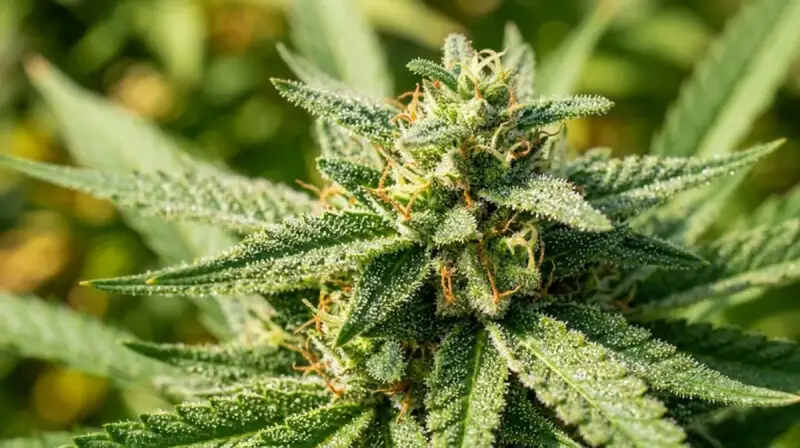
Approximately 20% of US veterans report using cannabis to manage PTSD symptoms, yet the Department of Veterans Affairs still cannot formally recommend it. Peer-reviewed data from Betthauser (2015), Roitman (2014), and Neumeister (2013) points toward a measurable endocannabinoid deficiency in PTSD patients—and a plausible mechanism through which cannabis may help interrupt pathological fear responses. This report covers the science, the VA policy conflict, state-by-state qualifying condition access, and where clinical trials stand today.
The Scale of Veteran PTSD and Why Standard Treatments Fall Short
Post-Traumatic Stress Disorder affects an estimated 11–20% of veterans who served in Operation Iraqi Freedom or Enduring Freedom in any given year, and up to 30% of Vietnam-era veterans over their lifetime, according to the VA National Center for PTSD. More than 500,000 US veterans receive a new PTSD diagnosis annually. The condition involves four core symptom clusters: intrusive re-experiencing (nightmares, flashbacks), persistent avoidance, negative alterations in cognition and mood, and hyperarousal. Suicide rates among veterans run approximately 1.5 times higher than the civilian population—a statistic that drives urgent interest in every credible treatment option.
The FDA has approved only two medications for PTSD: sertraline (Zoloft) and paroxetine (Paxil), both selective serotonin reuptake inhibitors. Response rates in veteran populations are disappointingly low—multiple VA-funded trials have found that fewer than 40% of veterans achieve full remission with first-line pharmacotherapy. Prazosin, widely prescribed for PTSD nightmares, failed its pivotal VA-funded RCT in 2018. Benzodiazepines are now actively discouraged in VA clinical guidelines due to dependence risk and evidence that they may impede fear extinction. Many veterans cycle through what clinicians call the “medication carousel”—years of sertraline, venlafaxine, quetiapine, and sleep aids without stable symptom control. This treatment gap is the clinical context in which cannabis research must be understood.
Cognitive Processing Therapy (CPT) and Prolonged Exposure (PE) are the two evidence-based psychotherapies endorsed by the VA. Both require veterans to deliberately engage with traumatic memories—a process many find intolerable. Dropout rates in PE trials range from 20–35%. The emotional activation required for exposure-based therapy is precisely the barrier that proponents of cannabis-assisted therapy argue cannabinoids could lower, by reducing the acute fear response during trauma processing sessions.
Why the “Medication Carousel” Fails So Many Veterans
Each medication change in the carousel carries its own discontinuation syndrome, adjustment period of 4–8 weeks, and new side effect profile. Sexual dysfunction, weight gain, emotional blunting, and paradoxical anxiety are among the most commonly cited reasons veterans discontinue SSRIs. The net effect is that many veterans spend years managing side effects rather than managing PTSD itself. This clinical reality—documented extensively in VA quality-of-care audits—has pushed veteran advocacy groups, including the American Legion and Iraq and Afghanistan Veterans of America, to formally endorse expanded cannabis research and access. The VA’s own research arm, the Veterans Health Administration, began funding cannabis and CBD studies in 2021 for the first time, a quiet but significant policy shift.
The Endocannabinoid System and Fear Memory: The Biological Rationale
The endocannabinoid system (ECS) is one of the most pervasive neuromodulatory networks in the human body, with CB1 receptors concentrated in exactly the brain regions implicated in PTSD: the amygdala (fear processing), prefrontal cortex (emotional regulation), hippocampus (memory consolidation), and basal ganglia (habit formation). The ECS does not merely modulate these structures—it is centrally involved in the process of fear extinction, the mechanism by which the brain learns to suppress conditioned fear responses after a threat is no longer present.
In PTSD, fear extinction is pathologically impaired. Trauma memories persist as if the original threat were ongoing, triggerable by a vast range of sensory cues. Animal models have consistently shown that CB1 receptor activation facilitates extinction learning: endocannabinoids released during extinction training appear to consolidate the new “safety memory” that competes with the original fear memory. Blocking CB1 receptors in these models impairs extinction. This mechanistic finding provides a direct neurobiological rationale for why THC and CBD, which interact with the ECS, might benefit PTSD specifically—not just as anxiolytics but as agents that could accelerate or deepen the therapeutic work of exposure-based psychotherapy.
Anandamide Deficiency in PTSD Patients (Neumeister 2013)
A landmark 2013 study by Alexander Neumeister and colleagues at NYU School of Medicine used PET imaging to demonstrate that PTSD patients had significantly reduced CB1 receptor availability in fear-processing brain regions compared to healthy controls—a finding consistent with endocannabinoid deficiency. Specifically, patients showed lower binding of the radioligand [¹¹C]OMAR, a marker for CB1 receptor availability, in the amygdala and prefrontal cortex. Neumeister hypothesized that anandamide deficiency—the brain’s own “bliss molecule”—leaves PTSD patients unable to adequately suppress fear responses through their natural ECS. This deficit may explain why standard anxiolytics that target GABA or serotonin receptors provide only partial relief: they are treating downstream symptoms while the upstream ECS dysregulation goes unaddressed. Restoring CB1 receptor signaling through exogenous cannabinoids represents a mechanistically logical intervention that no existing approved medication provides.
How THC and CBD Target Different PTSD Symptom Clusters
THC (delta-9-tetrahydrocannabinol) binds directly to CB1 receptors and has demonstrated specific efficacy for two of PTSD’s most distressing symptoms: nightmares and sleep fragmentation. By suppressing REM sleep—the phase during which most nightmare activity occurs—THC reduces nightmare frequency and allows deeper, more restorative sleep cycles. Nabilone, a synthetic THC analog, has been studied in multiple veteran trials specifically for PTSD-related nightmares with statistically significant reductions in nightmare frequency and the Clinician-Administered PTSD Scale (CAPS) nightmare subscale. CBD (cannabidiol), the non-intoxicating cannabinoid, targets a different symptom cluster: daytime anxiety and hyperarousal. CBD inhibits FAAH (fatty acid amide hydrolase), the enzyme that breaks down anandamide, effectively extending the natural calming activity of the brain’s own endocannabinoid without directly activating CB1 receptors. CBD also modulates 5-HT1A serotonin receptors—the same target engaged by buspirone—and reduces amygdala reactivity to threat stimuli in fMRI studies.
Key Peer-Reviewed Studies
The evidence base for cannabis in PTSD is methodologically constrained by federal Schedule I classification, which has historically prevented large-scale randomized controlled trials. Despite this, a meaningful body of observational studies, open-label trials, and smaller controlled investigations has accumulated over the past decade. The following studies represent the most frequently cited and methodologically significant findings.
| Study | Design | Key Finding | Limitation |
|---|---|---|---|
| Betthauser et al. (2015) Medical Care |
Retrospective cohort, n=47 veterans | Cannabis use associated with 75% reduction in PTSD Checklist (PCL) scores over 1 year; improved sleep and reduced re-experiencing | No control group; observational design; self-selected sample |
| Roitman et al. (2014) Journal of Psychoactive Drugs |
Open-label pilot, n=10 Israeli veterans, THC 5mg twice daily | Significant improvements in global PTSD severity, sleep quality, nightmare frequency, and hyperarousal at 3-week follow-up | Very small sample; no placebo arm; short duration |
| Bonn-Miller et al. (2014) MAPS Phase 2 Pilot |
Observational, veteran population, smoked cannabis | Symptom reduction comparable to Phase 2 MDMA-assisted psychotherapy data; cannabis-using veterans showed lower CAPS scores than matched controls | Cross-sectional comparison; product variability; no standardized dose |
| Neumeister et al. (2013) Neuropsychopharmacology |
PET imaging, PTSD patients vs. healthy controls | Significantly reduced CB1 receptor availability in amygdala and PFC in PTSD patients; consistent with endocannabinoid deficiency hypothesis | Imaging study only; does not test cannabis treatment; smaller sample |
| New Mexico Medical Cannabis Program (2019) Journal of Psychoactive Drugs |
Prospective observational, n=80 qualifying PTSD patients, 3-year follow-up | PCL-5 score reduction of 75%; 9 patients achieved full remission criteria; cannabis users significantly more likely to no longer meet DSM PTSD diagnostic criteria at 3 years | Self-selected medical program enrollees; no randomization; varied products used |
What the Evidence Actually Supports—and What It Doesn’t
Taken collectively, the available evidence supports a provisional conclusion: cannabis, particularly THC-containing preparations at low-to-moderate doses, is associated with meaningful reductions in PTSD symptom severity, especially for nightmares, hyperarousal, and sleep fragmentation. The biological mechanism via the endocannabinoid system is scientifically plausible and increasingly well-characterized. However, the evidence falls short of the randomized controlled trial standard required for FDA approval or VA endorsement. The largest methodological gaps are the absence of placebo-controlled trials, lack of standardized dosing protocols, and short follow-up periods. Responsible interpretation requires holding both truths simultaneously: the evidence is promising and mechanistically coherent, and it is also methodologically limited in ways that preclude definitive clinical recommendations.
VA Policy: The “Cannot Recommend, Cannot Deny” Paradox
The Department of Veterans Affairs exists in a uniquely uncomfortable legal position regarding cannabis. As a federal agency, the VA is bound by the Controlled Substances Act’s Schedule I classification, which designates cannabis as having no accepted medical use. This means VA physicians cannot prescribe, recommend, or document cannabis as a treatment—even in states where medical cannabis is fully legal and available to veterans through state programs. Yet the VA’s own policy, articulated in VHA Directive 1315 (revised 2017), explicitly states that veterans’ disclosure of cannabis use must not result in denial of VA services, including opioid prescriptions for pain management. VA clinicians are instructed to discuss cannabis with patients openly—documenting use in the medical record—without endorsing or penalizing it.
This creates a paradox that veterans and their advocates describe as the “cannot recommend, cannot deny” position. A VA psychiatrist cannot suggest cannabis for a veteran’s treatment-resistant PTSD nightmares, but if the veteran mentions they have been using cannabis and it has helped, the VA physician must document that without adverse consequence and continue all other VA services. In practice, many VA clinicians navigate this by discussing cannabis in the context of harm reduction—advising on safer use practices, drug interactions, and potential risks—without crossing into formal recommendation. The American Legion passed a resolution in 2016 calling on the VA to conduct clinical trials on cannabis for veterans, and the Veterans Cannabis Research Act has been introduced in multiple congressional sessions seeking to authorize VA research into the subject.
State Medical Cannabis and PTSD as a Qualifying Condition
| Category | States | Notes |
|---|---|---|
| PTSD explicitly listed as qualifying condition | AZ, CT, DE, FL, IL, MD, MI, MN, MO, NJ, NM, NY, OH, PA, RI, VT, and 15+ others | Veterans can obtain state medical card with physician certification; VA providers generally cannot certify |
| PTSD covered under broad anxiety/mental health qualifying language | CA, CO, OR, WA, ME, NV, AK | Adult-use states; qualifying conditions less relevant as any adult may purchase |
| PTSD not listed; access limited | TX (Compassionate Use only), GA, IA, KY | Low-THC programs only; PTSD may not qualify; veterans face significant access barriers |
| No medical cannabis program | ID, WY, KS, IN | Zero legal access regardless of diagnosis; veterans must rely on VA-only treatments |
The practical implication for veterans is that access depends entirely on state of residence. A veteran in New Mexico or Arizona can legally obtain medical cannabis for PTSD through a state-licensed physician—at a dispensary, without VA involvement. A veteran in Idaho or Wyoming has no legal pathway. This geographic lottery in medical access is one of the central equity arguments driving federal reform efforts, including bills that would allow VA physicians to discuss and document cannabis recommendations in states where it is legal.
Clinical Trial Status and the Road Ahead
The clinical trial landscape for cannabis in PTSD has expanded meaningfully since the DEA’s 2016 decision to authorize additional manufacturers of research-grade cannabis, breaking the University of Mississippi’s previous monopoly on federally approved cannabis research supply. Several active and recently completed trials are worth tracking.
The MAPS Phase 3 trial of MDMA-assisted psychotherapy for PTSD received FDA Breakthrough Therapy designation in 2017. While MDMA is not cannabis, this trial is significant context: it demonstrates the FDA’s willingness to evaluate Schedule I substances for PTSD treatment on the basis of strong Phase 2 data—establishing a regulatory precedent that CBD and THC researchers are actively monitoring. If MDMA-assisted therapy reaches approval, it will substantially lower the regulatory and cultural barrier for cannabis-based PTSD treatment trials.
In parallel, the Colorado-based Multidisciplinary Association for Psychedelic Studies (MAPS) has conducted observational work comparing veteran cannabis users to non-users on standardized PTSD measures. Johns Hopkins University’s psychedelic research group has expanded its scope to include CBD and minor cannabinoid protocols. The VA Greater Los Angeles Healthcare System received funding authorization for a veteran CBD study in 2022. None of these represent Phase 3 gold-standard trials yet—but the pipeline is materially more active than it was five years ago, and the political will behind veteran-focused cannabis research is accelerating at both state and federal levels.
Harm Reduction for Veterans Using Cannabis Now
Given the reality that approximately 20% of veterans with PTSD are already using cannabis—many without physician guidance—harm reduction is a clinical imperative regardless of where federal policy lands. The following evidence-informed principles apply:
- Start with low-dose THC (2.5–5 mg) and titrate slowly; nightmare suppression is often achievable at doses well below recreational use levels
- CBD-only products (isolate or broad-spectrum, third-party tested) carry no impairment risk and may reduce daytime hyperarousal safely
- Avoid high-THC concentrates; the psychosis risk documented by Di Forti et al. (2019) in The Lancet Psychiatry—a fivefold increase with daily high-potency use—is a legitimate concern for veterans with pre-existing psychiatric vulnerability
- Cannabis is not a replacement for evidence-based psychotherapy; the strongest theoretical case is for cannabis as an adjunct that reduces the emotional barrier to engaging with CPT or PE
- Disclose cannabis use to all treating providers to avoid drug interactions, particularly with sedating medications common in veteran polypharmacy
- Be aware of drug testing implications: THC remains detectable in urine for 3–30+ days depending on frequency of use; veterans in certain VA programs or under legal supervision must account for this
Veteran Usage Statistics and Self-Reported Outcomes
Survey data consistently documents high rates of cannabis use among veterans with PTSD, even in the absence of formal medical programs. A 2020 survey published in Addictive Behaviors found that 18–22% of veterans with PTSD reported past-month cannabis use, compared to approximately 8% of veterans without PTSD—a more than twofold difference that suggests a clear pattern of PTSD-driven self-medication. Among veterans already using cannabis, self-reported improvement in sleep (reported by 71%), nightmares (reported by 67%), and overall anxiety (reported by 64%) were the most common benefits cited.
Notably, veterans in states with medical cannabis programs were significantly more likely to report using cannabis specifically for symptom management rather than recreation, and more likely to discuss use with a healthcare provider—suggesting that program legitimization affects disclosure and informed use patterns. Veterans without program access were more likely to use higher-potency products obtained informally and less likely to have discussed dosing or drug interactions with any medical professional. This difference in usage patterns between program and non-program states has meaningful implications for policy: formal medical programs appear to shift consumption toward safer, more informed, and more monitored use without significantly increasing overall rates of cannabis uptake.
Comparing Cannabis to Existing VA Treatment Approaches
Any meaningful evaluation of cannabis for PTSD must benchmark it against what the VA currently offers. The VA’s PTSD treatment hierarchy—CPT first, PE second, SSRIs as pharmacological adjuncts—achieves full remission in fewer than half of veterans who complete treatment. Cannabis, based on the available observational data, appears to produce symptom-level reductions comparable to first-line pharmacotherapy in the populations studied, with a side effect profile that many veterans describe as more tolerable than SSRIs. The absence of physical dependence at therapeutic doses, the lack of serious withdrawal syndrome, and the ability to titrate effect in real time are all practical advantages that veterans themselves cite as reasons for preferring cannabis. This does not make cannabis superior—it means the comparison is clinically meaningful and deserves rigorous investigation rather than dismissal. Veterans seeking more information on their state-specific access options can consult our medical cannabis qualifying conditions guide.
Practical Guidance for Veterans Exploring Cannabis for PTSD
Veterans considering cannabis should approach it as a medical decision requiring the same diligence as any other treatment choice. The following framework applies regardless of state:
- Verify your state’s qualifying conditions: Most states with medical programs list PTSD explicitly; use our state-by-state cannabis laws guide to confirm your access pathway
- Do not use VA physicians for cannabis certification: VA providers cannot certify; seek a state-licensed certifying physician through telehealth platforms that specialize in medical cannabis evaluations
- Start with CBD: Full-spectrum hemp-derived CBD (with third-party COA confirming <0.3% THC) is federally legal, available nationwide, and carries no impairment or significant drug interaction risk at typical doses
- Document your outcomes: Use the PCL-5 (PTSD Checklist) available free from the VA website to track symptom changes systematically—this data is useful for future clinical conversations
- Continue existing therapy: Cannabis is most promising as an adjunct to CPT or PE, not a replacement; veterans in therapy should discuss use with their therapist to integrate appropriately
- Be aware of drug testing implications: Veterans in VA-administered substance use disorder programs or on certain legal supervision conditions may face testing; plan accordingly
Health & Science writer with nursing background, specializing in medical cannabis research.