










The Race to Build Cannabis’ Biggest Retail Destination
Published September 10, 2022 — By Ann Karim, Senior Cannabis Editor
- Planet 13 Las Vegas occupies over 40,000 square feet of retail space, holding the record for world’s largest cannabis dispensary.
- The location features 20+ check-in stations, a coffee bar, consumption lounge, and interactive cannabis displays.
- Estimated annual revenue exceeds $65 million from approximately 2,000 visitors per day.
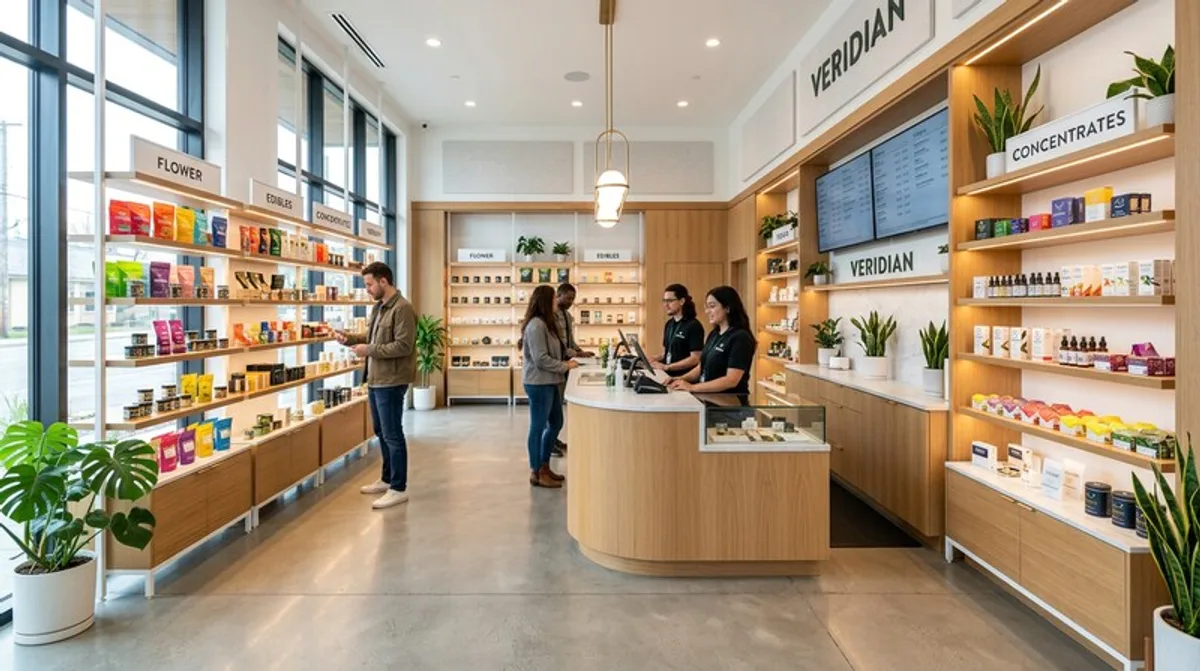
- The mega-dispensary model reflects the cannabis industry’s move toward experiential retail to differentiate from commodity competition.
- Las Vegas’s existing tourism infrastructure makes it uniquely suited to large-format cannabis retail destinations.
- The model has influenced dispensary design trends in other high-traffic legal markets including California and Illinois.
Why Las Vegas Became Ground Zero for Cannabis Superstores
When Planet 13 opened its Las Vegas SuperStore near the Strip, it immediately redefined expectations for what a cannabis retail operation could look like. The 40,000-square-foot facility was not designed to function as a neighborhood dispensary serving local medical patients or regular recreational buyers. It was designed as a destination — a cannabis retail experience that competed for tourist attention alongside the casinos, shows, and restaurants that define Las Vegas’s entertainment economy.
Las Vegas was the logical location for this experiment. The city receives tens of millions of adult tourists annually, many of them specifically seeking novel leisure experiences. Nevada legalized recreational cannabis in 2017, and the Strip-adjacent dispensary market quickly became one of the highest-revenue cannabis retail clusters in the United States. Tourists who had never visited a legal cannabis dispensary in their home state were willing to explore the experience in Las Vegas as part of their broader entertainment itinerary — a dynamic that created demand for a retail environment that felt like an attraction rather than a store.
The Planet 13 format incorporated features drawn from entertainment retail and hospitality: an illuminated ceiling installation, interactive displays explaining cannabis history and botany, a café serving cannabis-infused beverages, and a consumption lounge where visitors could consume products on-site rather than returning to hotel rooms. The check-in system — with more than 20 staffed stations — was designed to handle peak tourist traffic with the kind of throughput management that Las Vegas venues apply to nightclubs and concerts. For visitors who had only experienced cannabis in informal settings or small medical-market dispensaries, Planet 13 was a genuinely different kind of experience in the legal cannabis retail landscape.
“We built Planet 13 to be a destination, not just a store. Cannabis deserves the same caliber of experiential retail that Las Vegas gives to entertainment and hospitality.”
The Business Logic of Going Big
The economics of mega-dispensary development rest on several interconnected arguments. In a competitive legal market where many licensed operators sell similar or identical products, size and experience create competitive differentiation that supports premium pricing and drives customer acquisition through word-of-mouth and earned media coverage. A 40,000-square-foot cannabis superstore generates the kind of media attention — travel features, social media content, news coverage of record-setting — that translates into marketing value far exceeding what any advertising budget could purchase in a market where traditional advertising channels are severely restricted by federal prohibition.
The location economics also favored Las Vegas specifically. The concentration of adult tourists, the city’s existing infrastructure for managing large visitor volumes, and Nevada’s cannabis consumption lounge licensing created a confluence of regulatory and market conditions that few other cities could match. New York and California had larger populations but more complex regulatory environments for consumption spaces. Las Vegas could offer something closer to an integrated cannabis entertainment experience than almost any other US legal market at the time.
The Influence on Industry Design Standards
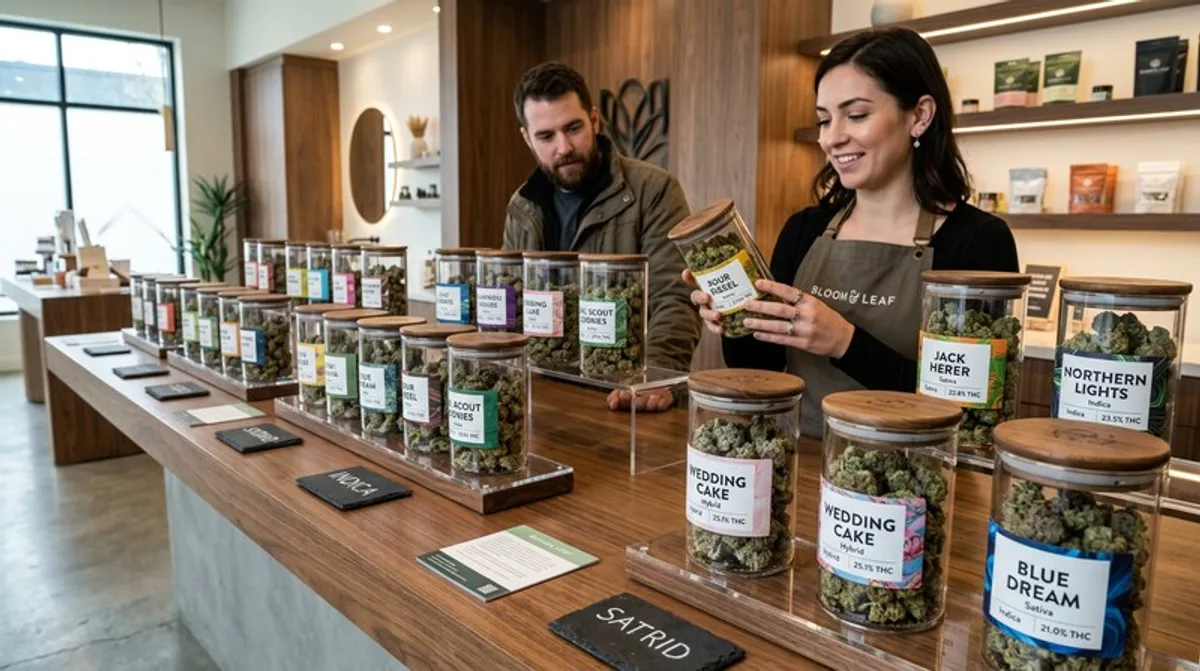
Planet 13’s success in attracting visitors and revenue influenced cannabis dispensary design trends across legal markets. Operators in Chicago, San Francisco, and other major cities began investing more heavily in retail interior design, product display systems, and staff training programs oriented toward hospitality rather than pharmacy-style transaction processing. The industry began to borrow vocabulary and approaches from luxury retail, boutique hotel lobbies, and entertainment venues in its physical design language.
This design evolution reflected a broader maturation of the cannabis retail sector from its medical dispensary origins — where pharmaceutical aesthetics dominated and the emphasis was on clinical professionalism — toward a consumer retail identity where brand experience and emotional connection drove purchasing decisions. For consumers in states with multiple licensed cannabis retail options, the quality of the retail experience was becoming a meaningful differentiating factor alongside product selection and price.
What Mega-Dispensaries Mean for Cannabis Retail
The mega-dispensary trend raises important questions about who cannabis retail is being designed for and whether large-format destination retail serves the full spectrum of cannabis consumers. Medical patients who rely on cannabis for chronic condition management and value proximity and efficiency over entertainment experience may not benefit from the destination dispensary model. The concentration of investment in high-profile, high-revenue destination formats may leave underserved communities — which legalization equity provisions are meant to address — with limited access if the economics of large-format retail concentrate in tourist and affluent consumer areas. The medical cannabis access question and the entertainment retail question represent genuinely different design priorities that the industry is navigating simultaneously.