










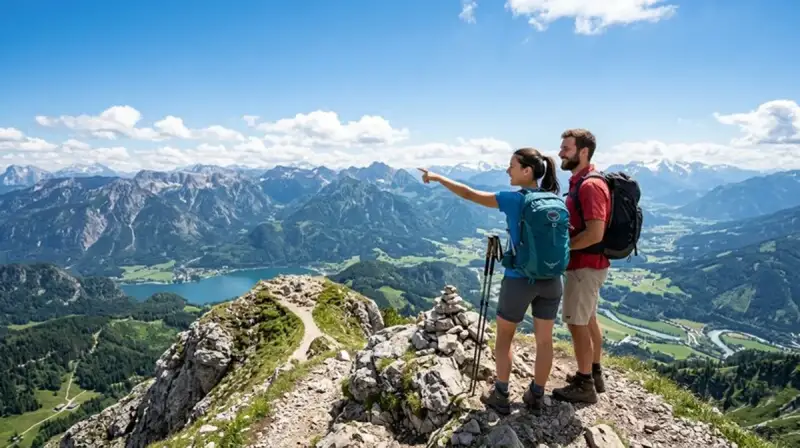
Cannabis & Hiking: What Every Outdoor Enthusiast Needs to Know
By the ZenWeedGuide Editorial Team | Updated 2025 | 9 min read |
- Cannabis is legal for adult use in 24+ states, but public consumption — including on most hiking trails — remains restricted or outright banned even in legal states.
- All federally managed land (National Parks, National Forests, BLM land) prohibits cannabis possession and use under federal law, regardless of state law.
- A growing segment of outdoor recreationists report using cannabis to enhance trail experiences, manage pain, reduce anxiety, and aid post-hike recovery.
- Wildfire risk, impaired coordination, and altitude-related cardiovascular effects are the primary safety concerns experts raise about cannabis use on trails.
- Low-dose edibles and CBD-forward products are increasingly popular among hikers seeking therapeutic benefits without significant psychoactive impairment.
- Driving to trailheads under the influence of cannabis is illegal in all 50 states and can result in DUI charges — plan transportation accordingly.
Background: Where Cannabis Culture Meets Trail Culture
The intersection of cannabis and outdoor recreation is not new. For decades, hikers, climbers, mountain bikers, and skiers have quietly incorporated cannabis into their outdoor experiences — whether to enhance sensory enjoyment of nature, manage discomfort on long trails, or simply unwind at camp after a hard day. What has changed dramatically in the past decade is the legal and cultural landscape surrounding that use.
Since Colorado and Washington became the first states to legalize recreational cannabis in 2012, more than two dozen states have followed suit. That wave of legalization has brought cannabis out of the shadows and into mainstream conversation — including, increasingly, conversations happening in outdoor recreation communities. Brands marketing directly to hikers, trail runners, and climbers have proliferated. Cannabis-friendly hiking tours have launched in states like Colorado, California, and Oregon. Outdoor lifestyle publications that once avoided the subject now run features on micro-dosing for endurance sports.
But legalization has also clarified — and in some cases complicated — the rules. The federal status of cannabis as a Schedule I controlled substance means that the vast majority of America's most celebrated hiking terrain, from Yosemite to the Appalachian Trail to Rocky Mountain National Park, remains off-limits for cannabis consumption by federal law. The collision of expanding state-level legality with rigid federal prohibition creates a patchwork of rules that many outdoor enthusiasts navigate with insufficient information.
Understanding where you can legally consume, what products are safest for trail use, how cannabis interacts with physical exertion and altitude, and what your rights are if you're stopped by a ranger or law enforcement officer is essential knowledge for the modern cannabis-using hiker. This guide breaks it all down. You can also explore cannabis laws by state for detailed jurisdiction-by-jurisdiction information.
"The outdoor recreation community has always had a complicated, largely underground relationship with cannabis. Legalization hasn't simplified that relationship — it's just brought it into the open, where we can finally have honest conversations about safety, access, and responsible use."
Key Developments: A Timeline of Cannabis & Outdoor Recreation
The evolution of cannabis policy as it relates to outdoor spaces has unfolded over years of shifting state laws, federal agency actions, and cultural change. The table below tracks the most significant milestones.
| Year | Development | Significance for Outdoor Users |
|---|---|---|
| 2012 | Colorado & Washington legalize adult-use cannabis | First legal recreational markets open near major hiking corridors; federal land rules unchanged |
| 2014 | National Park Service reaffirms federal cannabis prohibition | NPS clarifies that state legalization does not apply on federal land, regardless of location |
| 2016 | California, Nevada, Oregon, Maine legalize adult use | Dramatically expands legal markets adjacent to some of the country's most popular hiking destinations |
| 2018 | Farm Bill federally legalizes hemp-derived CBD (<0.3% THC) | Opens door for CBD recovery products marketed specifically to hikers and athletes |
| 2019 | First cannabis-friendly guided hiking tours launch in Colorado | Commercial outdoor cannabis tourism emerges as a recognized niche industry |
| 2021 | New Mexico, New York, New Jersey, Virginia legalize adult use | East Coast hiking communities gain access to legal markets for first time |
| 2022 | Colorado passes Proposition 122 (natural medicine) & expands social consumption | Sets precedent for regulated outdoor consumption spaces; cannabis hospitality licenses introduced |
| 2023 | DEA/HHS review recommends rescheduling cannabis to Schedule III | Potential federal rescheduling could reshape land management rules on federal trails long-term |
| 2024 | Multiple states refine public consumption rules; outdoor social use areas piloted | Some state parks in legal states begin developing clearer consumption frameworks |
| 2025 | Cannabis outdoor tourism market estimated at $300M+ annually in top states | Industry investment in outdoor-specific products and experiences accelerates |

Impact on Consumers: What This Means for Everyday Hikers
For the millions of Americans who both hike regularly and use cannabis, the practical implications of this landscape are significant. Here is what matters most.
Know Your Land Type Before You Go
The single most important rule: identify who manages the trail you're hiking. National Parks, National Forests (managed by the US Forest Service), Bureau of Land Management (BLM) land, and other federally administered areas prohibit cannabis under federal law. Violations can result in fines and even arrest. State parks and trails vary — some states explicitly prohibit consumption in state parks even if recreational use is otherwise legal, while others have no specific prohibition. Many urban greenways and county-managed trails fall under local ordinances. Always research specific regulations for your destination. Our state cannabis law guides and our cannabis explainers section can help you decode the rules.
Choosing the Right Product for the Trail
Not all cannabis products are created equal for outdoor use. Smoking joints or pipes on dry, wind-exposed trails poses a genuine wildfire ignition risk — a concern that land managers and fire authorities take extremely seriously, particularly in drought-prone Western states. Vaporizers are lower risk than combustion but still carry some concern. Low-dose edibles, tinctures, and capsules are the most trail-appropriate delivery methods, eliminating fire risk entirely and allowing for precise, predictable dosing. Products with balanced THC:CBD ratios or CBD-dominant formulations are popular among hikers who want functional benefits — anti-inflammatory effects, anxiety reduction, mood enhancement — without heavy psychoactive impairment that could compromise trail safety.
Explore our strain guides for detailed profiles of popular cannabis varieties used by outdoor enthusiasts, and visit our terpenes section to understand which terpene profiles are associated with energizing versus sedating effects.
Physical Effects at Elevation
Cannabis has well-documented cardiovascular effects, most notably an increase in heart rate (tachycardia) in the 20–30 minutes following consumption. At high altitude, where oxygen availability is already reduced, this can compound the physiological stress on the cardiovascular system. Hikers with any underlying heart conditions should be particularly cautious. Beyond heart rate, cannabis impairs balance, coordination, and spatial perception — functions that are critical on technical trails, creek crossings, scrambles, or any terrain with significant exposure. Experienced users at low doses may manage these effects well, but novice users or those consuming high-THC products face meaningfully elevated fall and injury risk.
Learn more about cannabis effects on the body and mind in our comprehensive effects guide.
| Product Type | Onset Time | Duration | Wildfire Risk | Trail Suitability |
|---|---|---|---|---|
| Joints / Pipes (combustion) | 2–10 min | 1–3 hrs | High | ️ Not Recommended |
| Vaporizer (flower/concentrate) | 2–10 min | 1–3 hrs | Low-Medium | ️ Use Caution |
| Low-Dose Edibles | 30–90 min | 4–8 hrs | None | Best Option |
| Tinctures (sublingual) | 15–45 min | 3–6 hrs | None | Good Option |
| Topicals (creams/balms) | 15–30 min | 2–4 hrs | None | Excellent for Recovery |
| CBD-Only Products | Varies | Varies | None | Excellent — No Impairment |
Industry Perspective: The Business of Cannabis & Outdoor Recreation
The outdoor recreation and cannabis industries have been converging rapidly, creating a lucrative and culturally resonant market intersection. Brands have taken notice. Cannabis companies increasingly sponsor outdoor events, partner with trail conservation organizations, and develop product lines explicitly targeting hikers, climbers, and endurance athletes. Meanwhile, outdoor gear companies — historically conservative in their brand associations — have begun quietly entering the CBD wellness space, with topicals and recovery products now appearing in mainstream outdoor retail.
Cannabis tourism tied to outdoor experiences represents one of the fastest-growing niches within the broader cannabis tourism sector. States like Colorado, which legalized cannabis hospitality licenses in 2022, have seen a proliferation of guided "420-friendly" hiking tours, nature experiences, and glamping packages that incorporate legal cannabis consumption. Industry analysts estimate the cannabis outdoor tourism market generates hundreds of millions of dollars annually in top recreational states, with significant untapped potential as additional states…