









The Waldos, the Grateful Dead, and the Code That Changed Cannabis Culture
Published April 20, 2019 — By Ann Karim, Senior Cannabis Editor
- 4:20 originated with five San Rafael, California high school students in 1971 — the “Waldos”
- The code spread through the Grateful Dead’s touring scene in the 1980s via band connections
- High Times journalist Steve Hager documented and amplified the term in the 1990s
- The Bob Marley birthday connection is a myth — Marley was born February 6, not April 20
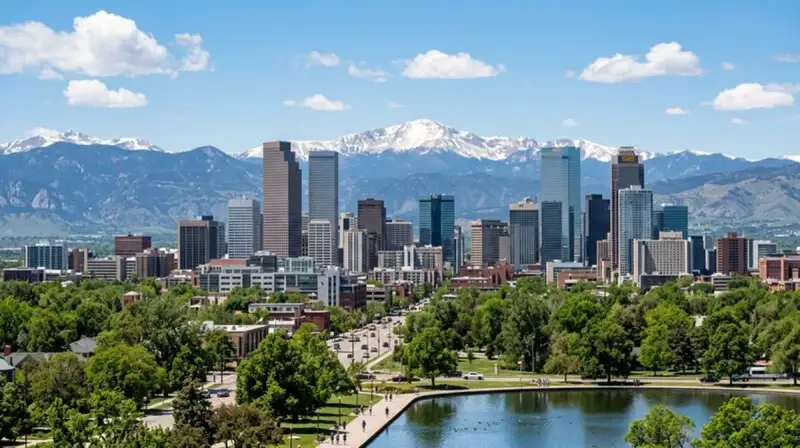
- Denver’s 4/20 events regularly draw 100,000+ attendees at Civic Center Park
- Legal cannabis dispensaries treat April 20 as their single biggest retail day of the year
San Rafael, 1971: Five Teenagers and a Treasure Map
The real story of 4/20 begins not with Bob Marley, not with a California police code, not with the number of active chemicals in cannabis (there are many more than 420), and not with any of the other popular myths that have accumulated around the date. It begins with five high school friends at San Rafael High School in Marin County, California in the autumn of 1971. Steve Capper, Dave Reddix, Jeffrey Noel, Larry Schwartz, and Mark Gravitch — who called themselves the Waldos for reasons related to their preferred hangout spot — had received a hand-drawn treasure map allegedly leading to an abandoned cannabis crop near Point Reyes.
The Waldos agreed to meet at 4:20 PM after school at the statue of Louis Pasteur on campus to search for the crop together. They never found it. But in the process of meeting repeatedly to search and eventually just to smoke cannabis together, 4:20 became their shorthand code for cannabis — a word they could use in front of parents, teachers, and other adults without being understood. “420 Louis?” became their question to each other: meet at the Louis Pasteur statue at 4:20?
The connection that took the Waldos’ private code global was the Grateful Dead. Dave Reddix’s older brother was a close friend of Phil Lesh, the Dead’s bassist. Mark Gravitch’s father managed the band. The Waldos had access to the Dead’s inner circle and touring entourage, and they brought their 4:20 code into that world. The Grateful Dead’s famously cannabis-friendly touring scene, with its tens of thousands of dedicated Deadheads traveling the country, became the transmission vector for a private high school code to become a countercultural phenomenon. For context on how cannabis culture spread through American music communities, the Grateful Dead connection is essential background.
“We’d go to Dead concerts and we’d see Deadheads using the term. It had spread through the whole scene. That blew our minds.” — Steve Capper, one of the original Waldos
From Deadhead Code to Global Holiday: The Spread of 4/20
The moment that transformed 4:20 from a Deadhead code to a global term came in 1991. A flyer circulated at an Oakland, California Grateful Dead concert announced “We are going to meet at 4:20 on 4/20 for 420-ing in Marin County at the Bolinas Ridge sunset spot on Mt. Tamalpais.” A copy of this flyer ended up in the hands of High Times journalist Steve Hager. Hager, who became the term’s most important media amplifier, recognized its significance and began writing about 4/20 in High Times, the most widely read cannabis publication in the world.
Throughout the 1990s, Hager incorporated 4/20 into High Times’ editorial calendar, organized 4/20 events, and wrote extensively about the date’s significance. The magazine’s global readership — then in the hundreds of thousands across dozens of countries — absorbed the date as an authentic cannabis cultural moment. The early internet’s cannabis forums, newsgroups, and later websites spread the term further, and by the early 2000s, 4/20 was recognized internationally. Amsterdam coffeeshops saw their busiest April days. Universities across the US held outdoor gatherings. Cannabis advocacy organizations used April 20 for public events.
The commercialization of 4/20 followed the legalization wave. When Colorado and Washington legalized adult-use cannabis in 2012, April 20 became an official retail holiday in those states for the first time. Dispensaries offered deep discounts, promotions, and events. Denver’s annual 4/20 rally at Civic Center Park grew to attract over 100,000 attendees in peak years, with musical performances and advocacy speeches. What had started as a private code for five California teenagers in 1971 had become, within 50 years, a globally recognized cannabis holiday.

Debunking the Myths: What 4/20 Is NOT
The persistence of 4/20 myths is itself a cultural phenomenon. The most common false origin stories include: that 4/20 is a California police code for cannabis (no such code exists); that it refers to the number of chemical compounds in cannabis (there are over 400 identified compounds, not 420); that it derives from Bob Marley’s birthday (February 6) or death date (May 11, 1981); that it originated with a Bob Dylan song; or that it came from Adolf Hitler’s birthday (April 20, 1889) via some cultural inversion.
None of these are true. The documentary evidence for the Waldos’ origin story is unusually strong for a piece of popular culture history. The Waldos have preserved original 1970s letters using the term “4:20 louie” and “4:20” in context that predates any competing claim. Steve Hager, who spent years researching the term’s origins for High Times, confirmed the Waldos as the originators in multiple published articles. The Waldos themselves have given extensively documented interviews on the record over many decades.
The Marley connection is particularly worth addressing because it reflects something real about Bob Marley’s genuine importance to global cannabis culture — just not to the specific origin of 4/20. Marley’s Rastafarian faith made cannabis a spiritual and cultural centerpiece of his music and public persona. His global influence spread cannabis culture to places it had not previously penetrated, particularly in Africa, the Caribbean, and parts of Europe. The cultural effects of his music and advocacy were enormous and real. But the date 4/20 is not about him.
4/20 Today: From Counterculture to Commerce
In the legal cannabis era, April 20 has become the industry’s equivalent of Black Friday — the single highest-volume retail day of the year. Dispensaries in Colorado, California, Washington, and other legal states regularly see 3-5 times their normal daily sales volume on April 20. Major cannabis brands launch new products timed to 4/20. Music festivals, cannabis expos, and public advocacy events fill the calendar for the entire week surrounding the date.
The normalization of 4/20 in mainstream culture has been both a measure and a driver of cannabis acceptance. When major US retailers like CVS and Walgreens began carrying CBD products prominently marked with 4/20 promotions, the holiday’s transit from counterculture to mainstream was complete. Television shows, movies, and music reference 4/20 openly. Major corporations advertise on 4/20-themed content. The date has achieved a cultural permanence that no other drug has ever managed — not through legislation or marketing, but through organic cultural transmission that began with five California teenagers and a treasure map they never found.
For cannabis travelers planning around 4/20, our travel guide covers which cities host the most significant events and what you need to know about local cannabis laws before attending. Drug testing concerns after April 20 events are real: cannabis remains detectable in urine for days to weeks after use, and employers who test do not typically recognize 4/20 as a holiday from their policies. Plan accordingly, and know your detection windows.