









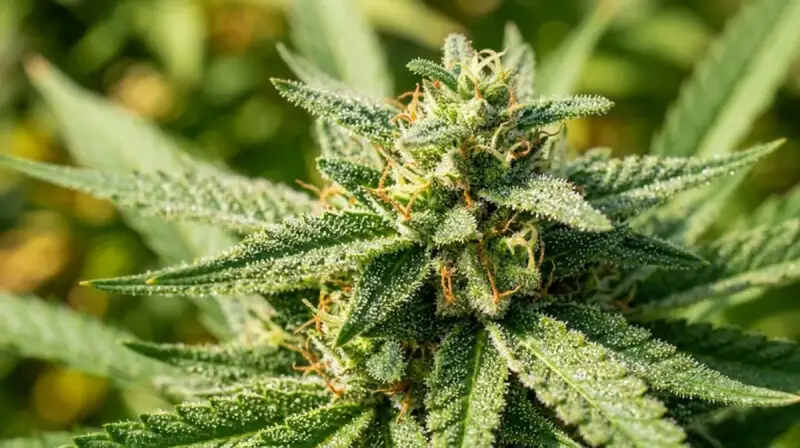
Best Indoor Cannabis Strains of 2025: Expert Rankings & Grower's Guide
ZenWeedGuide Editorial Team |
By the ZenWeedGuide Editorial Team | Updated June 2025 | 10 min read
- Indoor cultivation now accounts for an estimated 60–70% of premium craft cannabis sold in licensed US dispensaries.
- The number of Americans growing cannabis at home has surged since 2020, driven by expanded home-grow laws in states like Michigan, Colorado, and California.
- Top indoor strains in 2025 are bred for compact stature, rich terpene expression, and resistance to common pests like spider mites and fungus gnats.
- LED lighting advances have cut electricity costs by up to 40% compared to traditional HID setups, making home growing more accessible than ever.
- Indica-dominant and autoflowering varieties dominate indoor grow charts due to their manageable height and shorter life cycles.
- Cannabis laws vary significantly by state — always check your local state laws before starting a home grow operation.
Background: Why Indoor Growing Has Become America's Preferred Cultivation Method
Indoor cannabis cultivation in the United States has deep roots stretching back to the 1970s, when federal prohibition forced growers underground — literally. The controlled indoor environment wasn't just a workaround; it turned out to be a feature. Growers discovered that dialing in temperature, humidity, light cycles, and CO₂ levels produced cannabis of exceptional quality that outdoor grows simply couldn't replicate consistently.
By the 1990s, the "indoor connoisseur" cannabis market was firmly established in cities like San Francisco, Seattle, and New York. Dutch seed banks began engineering strains specifically optimized for indoor environments — compact, fast-flowering, and terpene-rich. Varieties like Northern Lights, Skunk #1, and White Widow became cornerstones of indoor cultivation culture, prized for their reliability under artificial light and their ability to finish flowering in 8–10 weeks regardless of outdoor seasons.
The modern cannabis legalization wave — which began with Colorado and Washington in 2012 — brought indoor cultivation into the mainstream. Licensed producers built warehouse-scale grow facilities, while home growers gained legal access in many US states. This legitimization triggered an explosion in strain development. Breeders with access to advanced genetics, tissue culture labs, and rigorous phenotype selection began producing cultivars with unprecedented levels of cannabinoid potency, terpene complexity, and grow-room adaptability.
Today, understanding which strains perform best indoors is not a niche hobby question — it is a core consumer and industry concern. With electricity, nutrients, equipment, and time all representing real costs, choosing the right strain for your indoor setup can mean the difference between a successful harvest and a disappointing one. Whether you're a first-time home grower or a seasoned cultivator, the strain you select is the single most important decision you'll make.
"The best indoor strains aren't just about THC numbers anymore. Today's sophisticated growers want a full-spectrum experience — rich terpene profiles, vigorous growth, manageable structure, and resistance to environmental stress. Breeders have responded with some of the most refined genetics in cannabis history."
Key Developments: Milestones in Indoor Strain Breeding
The evolution of indoor-optimized cannabis genetics spans more than five decades. The timeline below traces the most important milestones that shaped which strains dominate grow rooms today.
| Year | Milestone | Significance for Indoor Growers |
|---|---|---|
| 1972 | First documented US indoor closet grows emerge in California | Established the concept of controlled-environment cultivation as a response to prohibition |
| 1985 | Northern Lights stabilized by Nevil Schoenmakers (Seed Bank NL) | Set the gold standard for indoor indica: compact, potent, mold-resistant, and fast flowering |
| 1994 | White Widow released by Shantibaba/Green House Seeds | Demonstrated that high resin production and indoor efficiency could coexist |
| 2000s | Autoflowering genetics mainstreamed via Lowryder crosses | Enabled multiple harvests per year regardless of light schedule — ideal for beginners |
| 2012 | Colorado & Washington legalize recreational cannabis | Opened licensed indoor cultivation at commercial scale; accelerated R&D investment in genetics |
| 2017 | LED grow light technology reaches commercial viability | Dramatically lowered electricity costs; allowed spectrum tuning for vegetative vs. flowering phases |
| 2019 | OG Kush, Gelato, and Wedding Cake dominate dispensary shelves nationally | Terpene-forward, high-THC indoor strains became the consumer preference benchmark |
| 2022 | Tissue culture (TC) propagation enters home grower market | Disease-free, genetically stable starts become accessible, improving indoor success rates |
| 2024–25 | Exotic crosses (Runtz, Biscotti, Cereal Milk) dominate seed charts | Consumer demand for flavor diversity pushes breeders toward complex terpene profiles |

Impact on Consumers: What Indoor Cultivation Means for You
Whether you are a medical patient, recreational user, or home cultivator, the dominance of indoor-grown cannabis has tangible effects on your experience and budget. Understanding these dynamics helps you make smarter purchasing and growing decisions.
Quality and Consistency: Indoor-grown cannabis consistently delivers superior bag appeal — dense, resinous buds with vibrant colors and intense aromas. Because indoor environments eliminate weather variability, you get the same terpene profile and cannabinoid expression harvest after harvest. If you've ever noticed that a particular dispensary batch of Gelato smells dramatically different from one you bought elsewhere, that variation often traces back to whether it was grown indoors or outdoors.
Terpene Richness: Stable temperature and humidity in indoor environments protect the delicate monoterpenes (like limonene and myrcene) that degrade quickly under heat stress or UV exposure. This means indoor cannabis typically delivers a more complex, nuanced flavor experience. Our terpene guide explains how these compounds interact with cannabinoids to shape your experience beyond just THC percentage.
Home Grow Access: For consumers in states that permit home cultivation, growing indoors gives you full control over your supply, genetics, and growing practices. You decide whether to grow organically, which cultivar matches your preferred effects, and exactly when to harvest for peak potency. Check your state's home grow laws carefully — allowed plant counts and regulations vary significantly.
Cost Considerations: Premium indoor cannabis commands higher retail prices — typically $45–$65 per eighth ounce at licensed dispensaries — compared to $25–$40 for light-dep or outdoor product. For budget-conscious consumers, this price premium is real. Home growing can substantially reduce long-term costs, though upfront equipment investment is required. Those who use cannabis regularly for medical purposes often find home cultivation the most cost-effective long-term approach.
Drug Testing Awareness: Growing or consuming cannabis — indoors or out — does not change how THC metabolites are processed by your body. If you're subject to workplace or legal drug screening, our comprehensive drug testing guide explains detection windows, testing methods, and what to expect regardless of how your cannabis was cultivated.
Industry Perspective: The Business of Indoor Cannabis Genetics
Indoor cannabis cultivation has become one of the most economically significant segments of the broader cannabis industry. For seed banks, licensed producers, equipment manufacturers, and retail dispensaries, the indoor strain market represents billions in annual revenue — and the competition for premium genetics is intensifying.
| Strain Category | Avg. THC Range | Flowering Time | Yield (g/m²) | Difficulty | Best For |
|---|---|---|---|---|---|
| Classic Indica (Northern Lights, Afghani) | 16–22% | 7–9 weeks | 400–550 | Easy | Beginners, relaxation |
| Modern Hybrid (Gelato, Wedding Cake) | 22–28% | 8–10 weeks | 450–600 | Intermediate | Flavor chasers, balanced effects |
| Exotic Cross (Runtz, Biscotti, Cereal Milk) | 24–30%+ | 9–10 weeks | 350–500 | Advanced | Connoisseurs, dispensary market |
| Autoflowering (Gorilla Glue Auto, Bruce Banner Auto) | 18–24% | 10–12 weeks total | 300–450 | Easy–Intermediate | Speed, multiple annual harvests |
| High-CBD Indoor (ACDC, Harlequin, Cannatonic) | 6–12% THC / 10–20% CBD | 8–9 weeks | 350–500 | Intermediate | Medical patients, wellness users |

Seed companies like Seed Junky Genetics, Cookies, and Exotic Genetix have built powerful brand identities around their indoor-optimized cultivars, commanding $15–$25 per feminized seed for elite genetics. The intellectual property dynamics of cannabis breeding are evolving rapidly, with some companies pursuing plant patents and others relying on brand trust to protect market position.
On the commercial cultivation side, multi-state operators (MSOs) invest heavily in phenotype hunting — the process of germinating hundreds of seeds from a promising cross and selecting the single plant that best expresses desired traits. These "cuts" are then cloned and scaled across grow facilities, ensuring product consistency at dispensary scale. This process, once exclusive to underground breeders, is now supported by tissue culture labs, genetic testing services, and advanced horticultural data systems.
For equipment manufacturers — lighting companies like Fluence, Spider Farmer, and HLG; nutrient brands like Advanced Nutrients and General Hydroponics — the home grower boom has created a thriving ancillary market estimated at over $3 billion annually. Our growing guide covers equipment selection in detail for new cultivators navigating these choices.
Retailers and dispensaries are also responding to indoor's domin…