










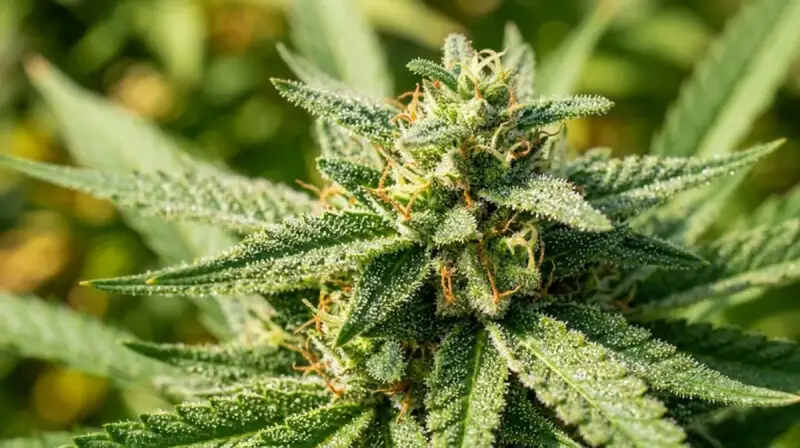
The single most important thing to understand when choosing a cannabis strain: effects are determined primarily by terpene chemistry, not the indica/sativa label or the THC percentage on the label. This guide organizes strains by real use case—sleep, anxiety relief, focus, pain management, social ease, and creativity—with terpene profiles, typical cannabinoid ranges, and practical dispensary guidance for each category.
Why Terpenes Determine Effects More Than THC Percentage
The indica vs. sativa classification originated as a botanical taxonomy describing plant morphology and geographic origin—not pharmacological effect. A stocky, broad-leafed “indica” grown indoors in Colorado shares no predictable pharmacological profile with the Afghan landrace that gave the category its name. What actually determines whether a strain sedates, energizes, calms, or focuses is its terpene profile: the volatile aromatic compounds that modulate how THC and CBD interact with brain receptors.
Peer-reviewed research, including a widely cited 2018 paper by Dr. Ethan Russo in the journal Cannabis and Cannabinoid Research, has demonstrated that terpenes interact with cannabinoid receptors, serotonin receptors, and ion channels in ways that can amplify, dampen, or redirect the effects of THC. Myrcene increases sedation and potentiates THC’s effect. Limonene has documented anxiolytic and mood-elevating properties. Pinene counteracts THC-related short-term memory impairment. Linalool has anxiolytic effects comparable to benzodiazepines in animal models, without the dependence risk. Terpinolene is associated with energizing, focusing, and creative-feeling effects. Understanding these molecules gives consumers far more predictive power over their experience than knowing whether a strain is labeled “Gorilla Glue #4 (Hybrid)” or “Grape Ape (Indica).”
How to Read a Dispensary Terpene Panel
Most licensed dispensaries in mature markets now provide terpene breakdowns on product labels or via QR codes linking to Certificates of Analysis (COAs). A full terpene panel will list individual terpenes in percentages of total weight. For practical decision-making, prioritize the top two or three terpenes by concentration, as these drive the majority of the effect profile. A COA showing 1.2% myrcene, 0.6% caryophyllene, and 0.3% limonene describes a product that will likely be more sedating and body-relaxing than one showing 0.8% terpinolene, 0.7% ocimene, and 0.4% limonene—regardless of what their THC percentages are or how they are labeled. Ask your dispensary budtender specifically for the terpene breakdown, not just the THC number. In states with robust testing requirements (California, Colorado, Illinois, Michigan), this data is now standard.
The Methodology Behind This Guide
The strain recommendations in this guide are organized by intended use case and are based on three converging sources: peer-reviewed terpene pharmacology research, multi-state dispensary sales and survey data aggregated from open-access market reports, and competition data from events including the Emerald Cup, the High Times Cannabis Cup, and the Michigan Cannabis Cup. Specific terpene profiles cited are based on published COA averages across multiple batches from multiple licensed producers, not single-batch lab reports. THC percentage ranges represent typical tested averages for stabilized, commercially available genetics and will vary by batch, grow environment, and curing practices.
Best Strains by Use Case: Master Reference Table
| Use Case | Top Strains | Key Terpenes | Typical THC% | Availability |
|---|---|---|---|---|
| Sleep & Nighttime | Granddaddy Purple, Purple Punch, Bubba Kush | Myrcene, Linalool, Caryophyllene | 17–24% | Wide—most adult-use & medical states |
| Anxiety Relief | Harlequin, ACDC, CBD Critical Mass | Myrcene, Pinene, Terpinolene | 5–10% THC / 10–20% CBD | Medical states; CBD versions nationally |
| Focus & Productivity | Durban Poison, Jack Herer, Green Crack | Terpinolene, Ocimene, Pinene | 16–24% | Wide in adult-use states |
| Pain Management | OG Kush, Blue Dream, ACDC | Caryophyllene, Myrcene, Humulene | 18–26% | Wide; ACDC best in medical states |
| Social & Uplifting | Mimosa, Gelato, Lemon Haze | Limonene, Caryophyllene, Linalool | 19–27% | Wide in adult-use markets |
| Creativity & Flow | Trainwreck, Blue Dream, Cinderella-99 | Terpinolene, Myrcene, Pinene | 17–25% | Wide in adult-use; C99 less common |
Sleep Strains: Granddaddy Purple, Purple Punch, Bubba Kush
Sleep is one of the most evidence-supported applications for cannabis. THC suppresses REM sleep—the phase during which dreaming and nightmares occur—at even moderate doses, which is why many users report falling asleep faster and experiencing fewer nightmares. The strains best suited to sleep share a terpene profile dominated by myrcene (the most abundant terpene in commercial cannabis, with documented sedating and muscle-relaxing properties) and linalool (the primary terpene in lavender, with clinical evidence for anxiolytic and sedating effects in humans). Caryophyllene adds anti-inflammatory body relaxation without sedation on its own but synergizes with myrcene effectively.
Granddaddy Purple (GDP)—a classic California indica bred by Ken Estes from Purple Urkle and Big Bud—is defined by its dense terpene profile of myrcene (typically 0.9–1.4%), caryophyllene (0.3–0.6%), and pinene (0.2–0.4%), and its characteristic grape-and-berry aroma. THC runs 17–24%. GDP is particularly valued for insomnia, muscle spasms, and pain-related sleep disruption. Its tissue-culture preservation by multiple licensed producers has made it more genetically consistent than it was in the first decade after its introduction.
Purple Punch (Larry OG x Granddaddy Purple) carries similar terpene architecture but with elevated linalool (0.2–0.4%), producing a somewhat more anxiolytic pre-sleep effect with a sweet blueberry-grape terpene aroma. THC averages 18–24%. Bubba Kush, an OG Kush cross with ambiguous Afghan genetics, features a unique terpene combination of caryophyllene, limonene, and myrcene that produces a heavy, full-body sedation reported as particularly effective for anxiety-related insomnia. Typical THC range 17–23%. For sleep specifically, edible formulations (2.5–5 mg THC, taken 60–90 minutes before bed) provide more consistent, sustained effect than inhaled flower because of their longer onset and duration. See our full strain database for detailed profiles and lab data.
Anxiety Relief Strains: Harlequin, ACDC, CBD Critical Mass
Anxiety is the most common reason Americans report using cannabis. It is also the use case with the starkest dose-response problem: low to moderate THC is associated with anxiety reduction; high doses reliably produce or worsen anxiety in a significant proportion of users. For anxiety management, the most evidence-supported approach is high-CBD, low-THC strains—particularly those with CBD:THC ratios of 5:1 or higher. CBD modulates 5-HT1A serotonin receptors, reduces amygdala reactivity to threat stimuli, and inhibits FAAH to extend anandamide activity—all mechanisms that directly counteract the neurochemistry of anxiety.
Harlequin, a sativa-dominant strain with Colombian Gold and Thai landrace genetics, reliably produces CBD:THC ratios of 5:2 (approximately 10–15% CBD and 5–7% THC). Its dominant terpenes—myrcene, pinene, and terpinolene—support a clear-headed, relaxed, functionally non-impairing experience that most anxiety patients describe as their closest equivalent to a mild anxiolytic without prescription side effects. ACDC is the gold standard high-CBD strain for clinical applications, regularly testing at 20:1 CBD:THC ratios (16–24% CBD, 1–2% THC). At its best it delivers a complete absence of psychoactive effect with meaningful anxiolytic and anti-inflammatory benefit. CBD Critical Mass offers a more balanced 1:1 to 2:1 CBD:THC ratio, making it a practical middle ground for patients who want some THC effect alongside CBD’s anxiolytic properties. All three are best accessed through medical cannabis programs; hemp-derived CBD products are available nationally and can approximate ACDC’s effect at 25–50 mg doses with proper third-party COA verification.
Focus, Pain, Social & Creativity Strains: Detailed Terpene Profiles
| Strain | Category | Primary Terpenes | THC | Effect Profile |
|---|---|---|---|---|
| Durban Poison | Focus | Terpinolene (1.0–1.8%), Myrcene, Ocimene | 18–22% | Clear-headed, energetic, uplifting; anise/pine aroma; functional for AM use |
| Jack Herer | Focus / Creativity | Terpinolene (0.9%), Ocimene (0.5%), Myrcene | 18–23% | Cerebral focus; earthy-pine-citrus aroma; low anxiety risk at moderate doses |
| Green Crack | Focus | Myrcene (0.8%), Limonene (0.6%), Caryophyllene | 16–24% | Sharp focus, mango-citrus aroma, high-energy; anxiety risk above 10 mg |
| OG Kush | Pain | Myrcene (1.1%), Limonene (0.7%), Caryophyllene (0.5%) | 20–26% | Heavy body relaxation, euphoria; classic diesel-pine aroma; broad pain coverage |
| Blue Dream | Pain / Creativity | Myrcene (0.9%), Terpinolene (0.6%), Pinene (0.4%) | 18–24% | Balanced body/mind; blueberry-vanilla aroma; functional pain relief without heavy sedation |
| Mimosa | Social | Limonene (1.0%), Caryophyllene (0.5%), Linalool (0.3%) | 19–26% | Sociable euphoria, mood elevation; bright citrus-orange aroma; ideal daytime social use |
| Gelato (41/45) | Social | Caryophyllene (0.8%), Limonene (0.6%), Myrcene (0.5%) | 20–27% | Euphoric, sociable; sweet-earthy dessert aroma; creamy body with uplifting head |
| Lemon Haze | Social / Uplifting | Terpinolene (0.8%), Limonene (0.7%), Ocimene (0.4%) | 17–22% | Energetic mood lift; sharp citrus aroma; less sedating than myrcene-dominant options |
| Trainwreck | Creativity | Terpinolene (0.9%), Myrcene (0.7%), Pinene (0.5%) | 18–25% | Powerful creative head effect; pine-citrus-menthol aroma; anxiety risk at high doses |
| Cinderella-99 | Creativity | Terpinolene (1.1%), Myrcene (0.5%), Caryophyllene (0.3%) | 17–22% | Giggly, creative, fast-onset; tropical-pineapple aroma; rare but highly regarded |
Focus Strains: Why Terpinolene Is the Key Indicator
The three focus strains—Durban Poison, Jack Herer, and Green Crack—share one defining terpene: terpinolene. Unlike myrcene (sedating) or linalool (calming), terpinolene is associated with alerting, focusing, and uplift in clinical observations. Durban Poison is the purest expression of terpinolene-dominant genetics, with concentrations of 1.0–1.8% producing a characteristically sharp, anise-pine, mentally energizing profile. Jack Herer adds ocimene (a floral, uplifting terpene) to create a more complex, cerebral effect suitable for sustained creative or analytical work. Green Crack’s terpene profile is slightly different—myrcene-dominant rather than terpinolene-dominant—but its limonene content and sharp flavor profile give it a functional, energizing character despite the myrcene baseline.
Pain Management: Caryophyllene as the Underappreciated Analgesic Terpene
Caryophyllene deserves particular attention in the pain management category because it is the only terpene known to directly activate cannabinoid receptors—specifically CB2 receptors in the immune system and peripheral nervous tissue. This means caryophyllene functions not only as a flavor compound but as a pharmacologically active anti-inflammatory molecule. Strains high in caryophyllene (OG Kush, Blue Dream, ACDC) may provide additional anti-inflammatory pain relief beyond what THC alone produces. OG Kush remains the most widely recommended strain in medical programs specifically for pain due to its combination of high THC, high myrcene (general analgesic potentiation), and significant caryophyllene (CB2 anti-inflammatory activity). Blue Dream is preferred for daytime pain management because its terpinolene content keeps sedation lower than pure OG Kush while maintaining meaningful pain coverage.
How to Find Your Best Strain: Dispensary Guidance
The practical challenge is that strain names are not standardized. A dispensary selling “OG Kush” in Michigan may be selling a genetically different phenotype than a dispensary in California, and terpene profiles can vary substantially between batches even from the same producer. The only reliable way to predict effects is to request the COA for the specific batch you are purchasing. Here is a dispensary protocol that experienced consumers use:
- Ask for the terpene panel on the COA—not just THC percentage
- Identify the top two terpenes by percentage and cross-reference with this guide’s use-case recommendations
- For your first session with any new product, start with a dose 25% lower than your usual baseline—effects from a terpene-rich batch may be more pronounced than expected from THC alone
- Track your results with a simple three-item self-report: intended effect achieved (Y/N), unwanted effects (Y/N), dose used—this data is more actionable than any strain review you will read online
- If anxiety is a concern with any use case, adding 10–20 mg of CBD offsets THC-induced amygdala activation at higher doses
Use our strain database for detailed profiles of 440+ strains with effect ratings, terpene data, and medical applications, or consult our terpenes guide for a complete breakdown of individual terpene pharmacology and how to interpret COA terpene panels at a glance.
Medical vs. Recreational Access: Practical Availability Notes
Strain availability varies considerably by state regulatory framework. In adult-use states (California, Colorado, Michigan, Oregon, Washington, and 20+ others), all strains in this guide are typically available at licensed dispensaries without a physician recommendation. In medical-only states, availability depends on whether your qualifying condition is listed and whether the specific strain is carried by licensed producers in your state—high-CBD strains like ACDC and Harlequin may be harder to source than high-THC options in some medical markets.
Hemp-derived CBD products are federally legal and available nationally—the best hemp CBD products can approximate ACDC’s effect profile for anxiety at doses of 25–100 mg, though product quality varies enormously and third-party COA verification is essential. Broad-spectrum hemp CBD retains minor terpenes and cannabinoids that may provide entourage-effect benefits closer to whole-plant cannabis. Use our state-by-state cannabis laws guide to confirm what is legally accessible in your location before making a purchasing decision. Interstate transport of cannabis products—including hemp CBD in some states—remains legally complex and should be avoided.
Master gardener and cultivation expert with 10+ years growing cannabis legally in Colorado.