










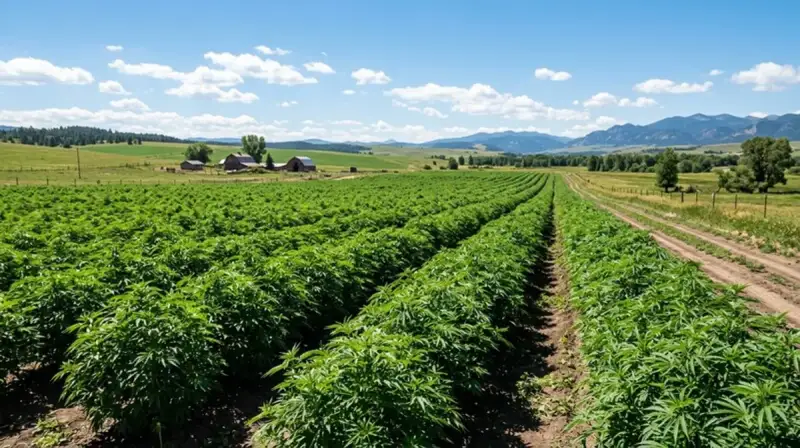
- Outdoor cannabis plants can yield between 500g–3,000g per plant under optimal conditions, far exceeding most indoor setups on a per-dollar basis.
- Cannabis requires a minimum of 6 hours of direct sunlight daily, with 8–12 hours considered ideal for maximum bud production.
- The optimal soil pH for outdoor cannabis cultivation is between 6.0 and 7.0, with most growers targeting 6.2–6.8 for peak nutrient uptake.
- Outdoor growing seasons typically span April through October in most Northern Hemisphere climates, with harvest windows in September–October for photoperiod strains.
- Water requirements peak during late vegetative and early flowering stages, with established outdoor plants needing 10–20 gallons of water per day in hot climates.
- Common outdoor pests including spider mites, aphids, and caterpillars affect an estimated 60–80% of untreated outdoor grows at some point during the season.
- Cannabis cultivation laws vary dramatically by state — always verify your local cannabis laws before starting any outdoor grow operation.
Understanding the Outdoor Cannabis Growing Season
Growing cannabis outdoors is one of the most rewarding and cost-effective methods available to home cultivators and commercial farmers alike. The sun is the most powerful grow light on the planet — completely free, full-spectrum, and capable of driving yields that no indoor setup can match on a per-dollar basis. However, successful outdoor cultivation requires a thorough understanding of seasonal cycles, regional climates, and the biological rhythms of the cannabis plant itself.
Cannabis is a photoperiod-sensitive plant, meaning it shifts from vegetative growth to flowering based on the number of hours of darkness it receives each day. In nature, this transition happens automatically as summer days shorten heading into fall. For outdoor growers, this means your local latitude and seasonal calendar are your grow schedule. Understanding this cycle is the single most important piece of knowledge you need before putting a seedling in the ground.
From real-world experience, growers who take the time to map out their local last frost date, summer solstice, and average first fall frost before the season begins consistently outperform those who plant impulsively. A well-timed season means bigger plants, more light exposure, and ultimately heavier harvests. Plants started indoors under supplemental lighting 4–6 weeks before outdoor transplant dates can add 30–50% more vegetative mass compared to direct-sown outdoor seedlings. For more foundational knowledge, explore our comprehensive cannabis growing hub.
Northern Hemisphere Seasonal Timeline
In the Northern Hemisphere, the outdoor cannabis calendar follows a predictable pattern tied to the solar cycle. Most growers begin germinating seeds indoors in March or April, once the risk of a hard frost has passed or can be managed with simple cold frames. Transplanting outdoors typically happens in May, after the last frost date in your area. Plants spend June and July in aggressive vegetative growth, taking full advantage of the longest days of the year. As days begin shortening after the summer solstice (June 21), plants begin their pre-flower transition in late July or early August, with full flowering underway by August. Most photoperiod strains are ready for harvest between late September and early November, depending on the cultivar's genetic flowering time.
Growers in USDA Hardiness Zones 9–11 (Southern California, Texas Gulf Coast, Florida) enjoy longer seasons and may be able to start earlier in February and push harvest into November or beyond. Those in Zones 4–6 (upper Midwest, New England, mountain states) must work within tighter windows and benefit greatly from starting seedlings indoors 6–8 weeks early. According to NIH research on plant photoperiodism, the relationship between light cycles and flowering is driven by the plant's internal phytochrome system — a biological clock that measures the duration of uninterrupted darkness each night.
Climate Zones and Regional Considerations
Not all outdoor growing environments are created equal. Cannabis thrives in climates with warm days (70–85°F), cool nights, and low humidity during the flowering stage. Mediterranean-style climates — found in California, Spain, and parts of Australia — are considered near-ideal. However, experienced growers have successfully cultivated cannabis in far less forgiving environments by selecting appropriate cannabis strains and implementing protective strategies.
- Hot and humid climates (Southeast US, Florida): Prioritize mold-resistant strains with open bud structures; harvest slightly early if needed.
- Cold northern climates (Canada, Northern Europe): Choose fast-finishing or autoflowering strains; use greenhouses to extend the season.
- High desert climates (Nevada, New Mexico): Manage heat stress and water conservation; afternoon shade can be beneficial.
- Temperate maritime climates (Pacific Northwest, UK): Watch for powdery mildew and botrytis; choose robust, mold-resistant genetics.
Autoflowering vs. Photoperiod Strains for Outdoor Growing
One of the most important decisions for any outdoor grower is choosing between autoflowering and photoperiod cannabis strains. Autoflowering varieties flower based on age rather than light cycle, completing their entire lifecycle in 70–90 days from seed. This makes them ideal for short-season climates and allows for multiple harvests per season in warmer regions. Photoperiod strains, by contrast, use every day of vegetative growth the season provides, potentially reaching massive sizes before transitioning to flower. Most experienced outdoor cultivators grow photoperiod varieties for maximum yield potential, reserving autoflowers for secondary crops or early-season harvests.
In practice, many seasoned outdoor growers run a hybrid strategy: one or two autoflowering plants started in late May for an early August harvest, combined with three to five large photoperiod plants that carry the main crop through October. This approach maximizes total seasonal yield while providing an early taste of the harvest and spreading workload across the season. Learn more about how different cultivars perform outdoors in our strain selection guide.
- Cannabis transitions from vegetative to flowering growth as daylight hours shorten after the summer solstice on June 21.
- Most Northern Hemisphere outdoor growers target a May transplant date and September–October harvest window.
- Mediterranean climates are ideal; growers in challenging zones should select strains matched to their local conditions.
- Autoflowering strains complete their lifecycle in 70–90 days and enable multiple harvests per season in warm climates.
- Starting seedlings indoors 4–8 weeks early can add significant vegetative mass and overall yield potential.
Selecting the Right Location for Your Outdoor Grow
Site selection is arguably the most consequential decision you'll make in the entire outdoor growing process. A superior location can compensate for average genetics or modest inputs, while a poor location will undermine even the best seeds and most dedicated care. Your chosen site needs to balance sunlight access, privacy, security, water access, and soil quality — and in many cases, compromises must be made and managed strategically.
Before settling on a location, observe the site at multiple times throughout the day across several days. Pay attention to when direct sun hits the area, where shadows fall from trees, structures, or terrain, and how the site drains after rain. Cannabis does not tolerate waterlogged roots, so even a sun-drenched location becomes problematic if it sits in a low-lying area that collects standing water. Elevated sites with southern exposure (in the Northern Hemisphere) are almost always preferable.
Sunlight Requirements and Orientation
Cannabis needs a minimum of six hours of direct sunlight per day to survive, but true production-level growing demands eight to twelve or more hours. South-facing slopes or clearings provide the longest and most direct sun exposure throughout the season. Avoid locations where tall trees or structures cast shadows during peak sun hours (10 AM – 4 PM). Even partial shade during this window can meaningfully reduce yields and slow development. If growing in a yard with limited ideal space, consider using reflective mulch or white fabric on the ground around plants to bounce additional light upward onto lower canopy sites.
From real-world experience, even a single hour of additional direct midday sun per day translates to measurably denser bud development during the flowering stage. If you're comparing two potential sites and one receives shade between 12–2 PM, always choose the unshaded alternative — that two-hour window is the single most valuable light period of the day for photosynthesis. A simple free smartphone app that maps sun paths by GPS coordinates can help you evaluate sites with precision before committing to any location.
Privacy, Security, and Legal Compliance
Outdoor grows are visible. This creates both security and legal considerations that cannot be overlooked. Even in states where home cultivation is legal, plant count limits apply, and plants must often be grown in enclosed, locked spaces or out of public sight. Reviewing your state's specific regulations is essential — check our state-by-state cannabis laws guide for detailed compliance information. Privacy screening using fencing, hedgerows, or tall companion plants like bamboo or sunflowers can provide natural concealment while keeping your grow legally compliant and secure from opportunistic theft.
According to NORML's state law database, home cultivation rules vary significantly — some states permit up to 6 plants per adult, while others allow 12 or more per household. Several states with medical programs allow additional plants for qualifying patients. Understanding both the plant count and visibility rules in your jurisdiction is non-negotiable before you break ground. Visit our cannabis laws reference center for up-to-date state-by-state summaries.
Water Access and Drainage
Large outdoor cannabis plants in full vegetative growth can consume enormous amounts of water — especially during hot summer months. A single mature plant may require 10 gallons or more per day in peak heat. Locating your grow near a reliable water source (hose bib, well, rain catchment) dramatically reduces labor. Drip irrigation systems are highly recommended for any grow with more than a handful of plants. On the drainage side, raised beds or mounded planting areas can correct naturally poor-draining soil and prevent root rot, which is one of the most common killers of otherwise healthy outdoor plants.
Companion Planting and Microclimate Management
Experienced outdoor growers increasingly use companion planting strategies to create favorable microclimates, deter pests naturally, and improve soil biology around their cannabis plants. Basil planted nearby has been shown to repel aphids and spider mites. Marigolds deter nematodes and whiteflies. Lavender attracts beneficial pollinators. Tall sunflowers positioned to the north of cannabis plants can act as windbreaks without causing shading, reducing moisture stress during hot, dry periods. These companion planting strategies align with integrated pest management (IPM) principles endorsed by agricultural extension services across the country.
- South-facing sites with 8–12 hours of unobstructed direct sunlight are ideal for maximum outdoor yields.
- Always verify local plant count limits and visibility rules before selecting a grow site — regulations vary widely by state.
- Drip irrigation is highly recommended for any outdoor grow with more than 3–4 plants.
- Companion plants like basil, marigolds, and lavender provide natural pest deterrence and attract beneficial insects.
- Use a sun-tracking app to evaluate candidate sites objectively before committing to a location.
Soil Preparation, Containers, and Growing Medium
The foundation of every great outdoor cannabis plant is the growing medium it calls home. Cannabis plants have evolved as vigorous, deep-rooting plants that can access nutrients and water from a wide soil column. Giving your plants the best possible start means building or finding a growing medium that is rich in organic matter, well-draining, biologically alive, and properly pH-balanced. Whether you're growing directly in the ground, in raised beds, or in containers, the principles of good cannabis soil science remain consistent.
In practice, growers who invest in soil preparation before the season see dramatically better results than those who cut corners at this stage. A well-built native soil or high-quality amended mix will feed your plants naturally for much of the season, reducing the need for costly bottled nutrients and constant pH management. This "living soil" approach — popularized by organic cannabis cultivation advocates — relies on building a thriving ecosystem of bacteria, fungi, and other microorganisms that convert organic matter into plant-available nutrients on demand.
Building the Ideal Cannabis Soil Mix
A well-balanced cannabis soil mix typically consists of three primary components: a base soil, amendments for drainage, and organic matter for nutrition. A reliable starting recipe for outdoor growing is:
- Base soil: High-quality compost or quality bagged cannabis soil (40–50% of total mix)
- Drainage amendments: Perlite, pumice, or coarse sand (20–30% of mix)
- Organic nutrition: Worm castings, kelp meal, bat guano, blood meal, bone meal (10–20%)
- pH buffer: Dolomite lime (1–2 cups per cubic foot of mix) to stabilize pH
- Mycorrhizae inoculant: Applied directly to roots at transplant to enhance nutrient uptake
If planting directly in native ground soil, amend heavily with compost and perlite, and test the soil's existing pH with an inexpensive meter or test kit before planting. For more guidance on specific cultivation techniques and organic growing methods, visit our growing techniques library.
Container Growing vs. In-Ground Growing
Both container and in-ground growing have distinct advantages. In-ground plants have unrestricted root access to native soil and its moisture reserves, allowing them to reach truly enormous sizes in favorable conditions — some in-ground plants in ideal climates have been documented exceeding 12 feet in height with yields surpassing 3 pounds per plant. Container-grown plants offer complete control over the growing medium, easy mobility (to avoid frost or optimize sun exposure), and simpler management of pH and nutrients. For first-time outdoor growers, large fabric containers (25–100 gallon) offer an excellent middle ground — they're forgiving, well-draining, and encourage healthy root structures through a process called "air pruning."
Most users find that 25-gallon fabric pots represent the sweet spot for outdoor container growing