










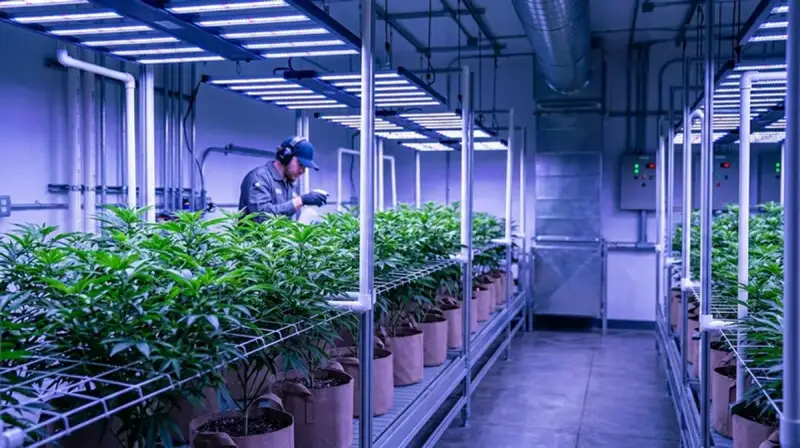
Tangie Strain Overview
Tangie was bred by DNA Genetics and Reserva Privada as a reinvention of classic Tangerine Dream genetics. The cross of Skunk #1 with California Orange produces one of the most distinctive terpene profiles in cannabis — intensely sweet tangerine and citrus on the nose, with a creamy, tropical finish on the palate.
Tangie won the Cannabis Cup multiple times and has become a parent strain for dozens of successful offspring. THC sits at 19-22% and the high is classically sativa: bright, energizing, creative, and mood-lifting without significant sedation. The dominant terpenes are terpinolene, myrcene, and limonene — see the terpenes guide. Related sativa grow guides: Durban Poison and Jack Herer.
Growing Conditions for Tangie
Tangie has typical sativa growth characteristics: tall, stretchy, with long internodal spacing and narrow leaves. Indoors, plants can easily reach 150-180cm without training — height management is the primary cultivation challenge. Begin topping when plants have 4-5 nodes, and consider a SCROG net to create a flat, even canopy. Switch to the 12/12 light schedule when plants are 40-50cm tall to account for the stretch.
Tangie prefers warm conditions — 24-28°C during lights-on with good air circulation. It is sensitive to cold below 18°C. Maintain 55-65% humidity in veg and drop to 45-50% in flower to protect the substantial terpene content. Tangie is a moderate feeder with high phosphorus requirements in the flowering stage. Avoid heavy nitrogen which delays flowering and diminishes citrus terpene expression. The SCROG guide covers canopy management in detail.
Flowering and Harvest
Tangie flowers in 9-10 weeks indoors — a longer cycle typical of sativa-dominant genetics. The wait is rewarded with trichome-covered buds that smell like a bag of fresh tangerines. Outdoor harvest in the Northern Hemisphere falls in mid-to-late October, requiring a long, warm growing season.
Indoor yields of 400-450g/m2 are achievable with proper height management and a quality LED setup. The buds are moderately dense with exceptional terpene richness — the citrus aroma can permeate an entire building in the final weeks of flower. Harvest when trichomes are 80% cloudy with minimal amber for maximum uplifting, cerebral effect. Dry very slowly at low temperatures to preserve the volatile citrus terpenes. Cure for 6-8 weeks in airtight jars. The terpene preservation guide covers this process thoroughly.
Tips and Troubleshooting
Height is the number one challenge with Tangie indoors. A SCROG net at 30-40cm with aggressive LST during veg transforms an unmanageable vertical plant into a productive horizontal canopy. Alternatively, run multiple smaller plants in 5-7L pots with the Sea of Green method and top only once.
Tangie can develop stretch-related issues where lower bud sites receive insufficient light. Use reflective mylar on walls to maximize light penetration into the lower canopy. The strain is relatively resistant to pests but can develop spider mites in hot, dry conditions — maintain adequate humidity and inspect regularly. One of Tangie's greatest assets is its incredible terpene preservation during cure: the citrus aroma continues developing for weeks after harvest, making patience in the cure stage richly rewarded.