










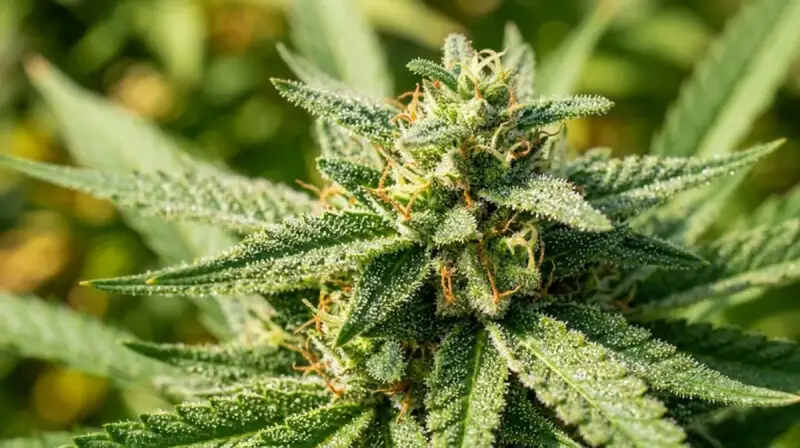
- Outdoor cannabis yields 200–1,000 g+ per plant vs. indoor 50–200 g per plant — outdoor scale compensates for the lower cost-per-gram of sunlight versus artificial lighting.
- Indoor electricity cost: 600W HPS running 18 h/day costs $50–80/month in electricity; quantum board LED equivalent costs $25–40/month — one of the largest ongoing operational costs.
- Outdoor-grown cannabis typically has lower terpene concentrations due to UV degradation and moisture exposure, but some connoisseurs argue terroir produces more complex flavor profiles.
- Greenhouse growing (deplight greenhouse) combines the best of both: supplemental lighting for year-round growing, sunlight cost savings, and environmental protection from rain and pests.
- Pest and mold pressure is the primary outdoor risk — outdoor plants face spider mites, caterpillars, botrytis (especially in humid climates), and powdery mildew.
- Indoor growers control every variable (temperature, humidity, CO2, spectrum) — this allows dialing in optimal VPD (0.8–1.2 kPa) for maximum growth rate and resin production.
- Legal considerations: many US states restrict outdoor home grow visibility from the public — Colorado requires not visible without assistance; California requires a locked, enclosed space.
Complete Cost Comparison
The economics of indoor versus outdoor cannabis growing are dramatically different. Indoor growing is a capital-intensive operation with significant recurring costs; outdoor growing has negligible ongoing costs once established but is restricted to a single annual harvest in most climates. The figures below represent a home grower scale: 4 plants indoor vs. 4 plants outdoor.
| Cost Category | Indoor (4×4 tent) | Outdoor (4 plants) | Greenhouse (small) |
|---|---|---|---|
| Initial setup | $600–$1,500 | $50–$200 | $400–$1,200 |
| Electricity (per cycle) | $80–$200/month | $0–$5 (watering pump) | $20–$60/month (supplemental) |
| Water | $5–$15/month | $0–$20/month | $5–$15/month |
| Nutrients (per cycle) | $40–$120 | $20–$80 (amended soil) | $30–$100 |
| Pest control | $10–$40/month (preventive) | $20–$100/season (reactive) | $15–$50/month |
| Yield per cycle | 200–800 g (4 plants) | 400–4,000 g (4 plants) | 300–2,000 g (4 plants) |
| Cycles per year | 3–5 (continuous, or 4+ with autoflowers) | 1 (photoperiod) or 2–3 (autoflowers) | 2–3 with light deprivation |
| Estimated cost per gram | $1.50–$5.00 | $0.10–$0.50 | $0.40–$1.50 |
The single largest advantage of outdoor growing is the complete elimination of lighting costs — the sun delivers the equivalent of 1,000–1,500W HPS in peak summer at zero cost. This cost difference is why commercial outdoor cannabis operations in California, Oregon, and Canada can produce cannabis at $0.10–$0.30 per gram at scale, while indoor commercial production rarely achieves below $1.00 per gram fully loaded.
Quality and Potency: Indoor vs. Outdoor
The quality question is more nuanced than marketing materials suggest. Both methods can produce exceptional cannabis; the differences lie in consistency, specific quality attributes, and market perception.
Potency and Terpene Profiles
Indoor cannabis consistently achieves higher measured THC percentages (typically 22–30%+) compared to outdoor averages (15–22%) because controlled environments eliminate the variables — rain, wind, temperature swings, UV damage — that degrade terpenes and slow resin production during the critical final weeks of flowering. Controlled VPD (vapor pressure deficit) at 0.8–1.2 kPa during late flower, combined with dialed-in temperature (26–28°C day / 18–20°C night), maximizes trichome production. Outdoor plants exposed to wind, rain, and UV radiation during flowering can lose 20–30% of volatile terpenes compared to greenhouse-protected equivalents.
The Terroir Argument
A growing contingent of cannabis connoisseurs argues that outdoor-grown cannabis, particularly from legacy California or Colombian cultivation zones, develops flavor complexity that indoor growing cannot replicate. The reasoning is analogous to wine terroir: diverse soil microbiomes, natural temperature cycling (cool nights stress-triggering anthocyanin production and affecting secondary metabolite profiles), and full-spectrum sunlight (including UV-B at 280–315 nm, which is absent from most indoor lighting) contribute compounds absent from climate-controlled environments. This argument has empirical support in the terpene literature — some outdoor-grown cultivars show elevated concentrations of unusual sesquiterpenes and flavonoids not seen in indoor equivalents of the same genetic strain.
Mold and Moisture Risk
Outdoor cannabis is vulnerable to botrytis cinerea (gray mold) and powdery mildew during the late flowering window when dense buds retain moisture. Botrytis is triggered by relative humidity above 60% and temperatures below 18°C — conditions that occur regularly in mid-Atlantic, Pacific Northwest, and northern European climates in September–October. A single botrytis outbreak can destroy 30–80% of a crop within a week. Indoor growers eliminate this risk entirely through environmental control, while greenhouse growers can partially mitigate it with dehumidification and airflow management.
Indoor Growing: Complete Setup Overview
Indoor cannabis cultivation requires creating a complete artificial ecosystem. The core components are lighting, ventilation, growing medium, and environmental controls.
Grow Tent Sizes and Capacity
Grow tents come in standardized sizes: 2×2 ft (1–2 plants, 200W LED), 2×4 ft (2–4 plants, 200–300W LED), 4×4 ft (4–6 plants, 400–600W LED), 4×8 ft (8–12 plants, 800–1,000W LED), and 5×10 ft (commercial micro). The reflective mylar interior of grow tents captures and redirects scattered light, significantly improving light distribution efficiency compared to growing in an open room.
Lighting Options
| Light Type | Efficiency (umol/J) | Heat Output | Cost (per 600W equiv) | Best For |
|---|---|---|---|---|
| HPS (High Pressure Sodium) | 1.0–1.5 | Very high | $80–$200 | Budget setups, cooler climates |
| CMH/LEC (Ceramic Metal Halide) | 1.5–1.9 | Moderate–high | $150–$350 | Full-cycle UV-B spectrum |
| LED Quantum Board | 2.0–3.0+ | Low–moderate | $200–$600 | Efficiency, low heat, best overall |
| LED COB | 1.8–2.5 | Moderate | $150–$400 | Penetration in dense canopies |
| Fluorescent (T5/CFL) | 0.8–1.2 | Very low | $50–$150 | Seedlings and clones only |
Growing Medium Options
Soil: Most forgiving for beginners. Pre-amended “super soils” (like Fox Farm Ocean Forest, BuildASoil) contain nutrients that feed plants for 4–6 weeks without supplemental feeding. Living soil with mycorrhizal fungi and diverse microbiome produces the most complex terpene profiles of any medium.
Coco coir: Inert coconut fiber that behaves like hydroponic growing — requires full nutrient feeding from week one but allows precise control and faster vegetative growth than soil. pH target 5.8–6.0. Popular among experienced growers for speed and control.
Deep Water Culture (DWC) hydroponics: Plant roots suspended in oxygenated nutrient solution. Fastest growth rates (20–30% faster veg than soil) but zero buffer for mistakes — nutrient lockout or root disease can kill a plant in 24 hours. Highest learning curve.
Standard Indoor Cycle
A typical indoor photoperiod cannabis crop runs 4–5 weeks of vegetative growth (18h light / 6h dark) followed by 8–10 weeks of flowering (12h light / 12h dark), for a total of 12–15 weeks from seed or clone to harvest. Autoflowering varieties complete in 70–90 days regardless of light schedule, enabling 4–5 harvests per year.
Outdoor Growing: Climate, Timing, and Strain Selection
Outdoor cannabis is photoperiod-sensitive — natural cannabis strains transition from vegetative growth to flowering when daylight hours drop below approximately 14 hours (varies by cultivar). In the northern hemisphere, this transition occurs in late July to mid-August. Planning an outdoor grow requires understanding your latitude, last frost dates, and local humidity patterns during the harvest window.
Latitude and Photoperiod Planning
Cannabis was domesticated across a wide range of latitudes, and different landrace genetics are adapted to different photoperiod triggers. Equatorial sativas (Colombia, Thailand, Jamaica) evolved at latitudes of 0–15°N/S where day length change is minimal, and they require 11–12 hour days to flower — which may not occur until November at northern latitudes, creating frost risk. Short-season indicas from Afghanistan and Pakistan (35–45°N) evolved to flower early at longer photoperiods (13.5–14 hours) and finish by early September — ideal for northern climates. Breeding programs have created modern cultivars optimized for specific latitude windows.
Regional Timing Guide (Northern Hemisphere)
| US Region | Transplant Outdoors | Flowering Trigger | Harvest Window | Recommended Strain Type |
|---|---|---|---|---|
| Southern California / Southwest | Late March–April | Early August | October–November | Any; sativas thrive |
| Pacific Northwest (OR, WA) | May–June | Late July | Late September–October | Mold-resistant, early-finishing indicas |
| Northeast US (NY, MA, VT) | Late May–June | Late July | Late September–mid-October | Early-finishing indicas; autoflowers |
| Midwest / Great Plains | Late May–June | Early August | September–early October | Early-finishing or autoflowers |
| Southeast US (FL, TX, GA) | March–April | August | October–November | Any; humidity-resistant for late flower |
Autoflowering Strains for Northern Climates
Autoflowering cannabis (Cannabis ruderalis genetics crossed with indica/sativa) flowers based on age rather than photoperiod — typically at 3–4 weeks regardless of light hours. This makes autoflowers the clear choice for growers above 50°N (UK, northern Germany, Canada) who cannot guarantee a late-October harvest before frost. Modern autoflower genetics (FastBuds, Mephisto, Dutch Passion) have closed most of the quality gap with photoperiod strains, regularly achieving 18–24% THC and complex terpene profiles while completing in 70–90 days from seed.
Greenhouse and Hybrid Growing
Greenhouse growing represents the most cost-effective path to year-round, consistent, high-quality cannabis at home scale. A basic polycarbonate greenhouse costing $200–$600 dramatically extends the outdoor growing season, protects against rain and pests, and can be equipped with light deprivation for multiple crops per year.
Light Deprivation (Deplight) Technique
Light deprivation involves covering a greenhouse with blackout fabric to artificially shorten the photoperiod, triggering flowering on demand regardless of outdoor day length. A grower can start light dep in June (natural photoperiod: 15+ hours) by covering the greenhouse to provide 12 hours of light, initiating flowering 2–3 months earlier than natural timing. After a 55–75 day flower period, a deplight crop harvests in August — in time to start a second crop that finishes under natural photoperiod in October. Two crops per year doubles annual yield at minimal additional cost.
Climate Regions Optimal for Greenhouse Growing
Greenhouse growing is most economical in regions with mild winters (daytime temperatures rarely below 0°C) where minimal heating is required. Mediterranean climate zones (central California coast, Pacific Northwest, Spain, Italy) enable near-year-round greenhouse growing with minimal heating costs. In genuinely cold climates (Minnesota, Canada, northern Europe), greenhouse growing requires supplemental heating that can negate cost advantages over indoor growing.
Cost vs. Indoor
A small greenhouse setup eliminates or drastically reduces the largest indoor operating cost — electricity for lighting. The primary remaining costs are initial structure cost, potential supplemental lighting for winter months, dehumidification, and heating if applicable. Growers in optimal climates (zones 8–11) can produce quality cannabis in a greenhouse for 20–30% of the per-gram cost of indoor growing.
Which Method Is Right for You?
The optimal growing method depends on your specific situation. The decision matrix below provides guidance across the most common scenarios.
| Your Situation | Recommended Method | Reason |
|---|---|---|
| Beginner, limited budget (<$300) | Outdoor | Minimal equipment needed; forgiving; learn the plant before investing in technology |
| Year-round growing required | Indoor or greenhouse with light dep | Outdoor photoperiod limited to one annual cycle in most climates |
| Maximum quality / potency goal | Indoor | Environmental control enables dialing in optimal VPD, spectrum, and feed schedule |
| Maximum yield, low cost per gram | Outdoor (warm climate) or greenhouse | Sunlight is free; outdoor plants can produce 500–1,000 g each |
| State law requires concealed grow | Indoor or enclosed greenhouse | California, Colorado, and many states require locked, enclosed, non-public-visible space |
| Northern climate (>50°N latitude) | Autoflowering outdoor or indoor | Short season requires fast-finishing genetics or indoor control |
| Humid climate (Southeast, Pacific NW) | Indoor or greenhouse with dehumidification | High late-season humidity creates unacceptable botrytis risk for outdoor photoperiod crops |
| Stealth growing, apartment | Indoor (small tent, autoflowers) | 2×2 ft tent + 200W LED + carbon filter = discreet, odor-controlled, apartment-viable |
For more on cultivation basics, see cannabis cultivation basics, cannabis light spectrum, and organic pest control. The full growing guide covers strain selection, nutrients, and harvest timing in depth.
Frequently Asked Questions
Is indoor or outdoor cannabis better quality?
Indoor cannabis typically achieves higher terpene concentrations and more consistent potency (22–30%+ THC vs. outdoor averages of 15–22%) through controlled environment growing. However, many connoisseurs argue outdoor-grown cannabis develops more complex flavor profiles through natural terroir effects. Both can produce exceptional cannabis — the difference is consistency and reliability rather than ceiling quality.
How much does it cost to set up an indoor grow?
A basic 2×4 ft grow tent setup for 2–4 plants costs $300–$600 for equipment (tent, LED quantum board, fan, carbon filter, timer, pots, nutrients). A more complete 4×4 tent setup with quality LED runs $600–$1,200. Monthly electricity costs add $25–$80. Expect total first-year costs of $800–$2,000 for a small personal indoor grow.
What is the best climate for outdoor cannabis growing?
Mediterranean-type climates with warm summers (20–30°C/68–86°F), low late-season humidity, and minimal early-fall frost risk are optimal. Northern California, southern Oregon, Spain, and Italy are historically considered ideal. Northern growers above 50°N latitude should select autoflowering or early-finishing photoperiod strains to complete before October frosts.
Can you grow cannabis outdoors year-round?
Year-round outdoor growing is only possible in tropical and subtropical climates between roughly 35°N and 35°S latitude where temperatures stay above 15°C and photoperiods support continuous growth. This includes parts of California, Florida, Hawaii, and most tropical regions. In temperate climates, the outdoor season is May–October. Greenhouse growing with light deprivation extends this significantly.