










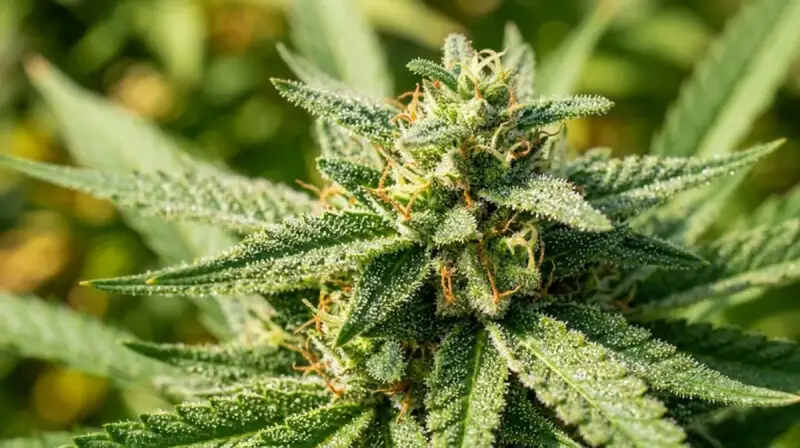
- Light (UV radiation) is the single largest cause of cannabinoid degradation — THCA converts to CBN via oxidative degradation 4× faster in light than in darkness; amber glass blocks 97% of UV.
- Optimal storage temperature is 60–65°F (15–18°C) — temperatures above 77°F (25°C) accelerate terpene vaporization; temperatures below 40°F cause trichome brittleness and breakage during handling.
- Relative humidity is critical: 58–62% RH (Boveda 58 or 62 packs) prevents both mold (above 65% RH) and over-drying (below 45% RH, terpene loss).
- Properly stored cannabis (airtight glass, stable RH, dark) retains 90%+ potency for 6–12 months; degradation accelerates significantly after 12 months.
- Plastic bags and containers cause terpene loss through off-gassing and generate static that strips trichomes — always use glass or UV-resistant high-quality material.
- Refrigerators are generally not suitable for flower storage due to humidity fluctuations from opening/closing and condensation risk — freezer storage works for long-term (6+ months) if properly sealed.
- Grinder storage is the worst option: ground cannabis loses terpenes 4× faster than whole buds — always grind immediately before use, never store ground cannabis.
Cannabis Degradation Science: What Breaks Down THC and Terpenes
Cannabis is a photosensitive, temperature-sensitive, chemically complex botanical. The active compounds that define its potency and character — cannabinoids like THC and CBD, and terpenes like myrcene, limonene, and caryophyllene — all degrade through distinct but related chemical pathways. Understanding each mechanism tells you exactly what storage conditions to target and why.
THC (tetrahydrocannabinol) degrades primarily through oxidative conversion to CBN (cannabinol). CBN is mildly sedating but has roughly 10% of THC’s psychoactive potency. This conversion is catalyzed by oxygen, UV light, and heat — which is why the three non-negotiables for cannabis storage are airtight sealing, UV blocking, and temperature control. A landmark study in the Journal of Pharmacy and Pharmacology established that properly stored cannabis retained approximately 95% of its cannabinoid content after one year, while improperly stored samples lost 15–40%.
Terpenes degrade differently: they are volatile aromatic compounds that simply evaporate at ambient temperatures. Myrcene begins evaporating measurably above 68°F (20°C); limonene and pinene are even more volatile. Once terpenes are gone, no storage solution can restore them. This is why buying fresh and storing correctly from day one matters far more than trying to “rescue” degraded product.
The four degradation vectors — light, oxygen, heat, and humidity imbalance — operate simultaneously and often synergistically. UV light accelerates oxidation. Heat amplifies terpene evaporation. Humidity fluctuations introduce condensation that promotes mold. A container solution that addresses all four simultaneously is the only correct answer.
Optimal Storage Conditions: Temperature, Humidity, Light, and Oxygen
The four variables below define the ideal cannabis storage environment. Each one has a specific target range backed by biochemistry and validated by commercial cultivators who preserve large inventories over extended periods.
| Variable | Optimal Range | Risk Below Range | Risk Above Range |
|---|---|---|---|
| Temperature | 60–65°F (15–18°C) | Below 40°F: trichome brittleness | Above 77°F: rapid terpene loss, mold |
| Humidity (RH) | 58–62% RH | Below 45%: brittle, terpene loss | Above 65%: mold and mildew risk |
| Light (UV) | Zero UV exposure | N/A | Direct light: 4× faster THC→CBN |
| Oxygen | Minimal (airtight seal) | N/A | Open air: oxidation, drying, terpene loss |
One practical implication often overlooked: frequent opening and closing of a storage jar is itself a degradation event. Each opening cycle introduces fresh oxygen, fluctuates internal humidity, and briefly exposes contents to ambient light and temperature. If you open daily, use a smaller daily-use jar and keep your main supply sealed in a larger airtight container accessed weekly at most.
Container Comparison: Glass vs. Titanium vs. Plastic vs. Wood vs. Vacuum
Container choice directly determines how well all four degradation vectors are controlled. The market offers options across a wide range of materials, price points, and designs. Here’s an honest comparison of each category.
| Container Type | UV Protection | Airtight Seal | Trichome Safety | Verdict |
|---|---|---|---|---|
| Amber glass mason jar | 97% UV blocked | Excellent | Excellent (no static) | Best overall |
| Clear glass mason jar | None (store in dark) | Excellent | Excellent | Good if stored dark |
| Titanium container | Full (opaque) | Very good | Very good | Excellent, travel-friendly |
| Plastic bag/container | None | Poor | Poor (static strips trichomes) | Avoid entirely |
| Wood humidor | Full (opaque) | Variable | Good | Avoid cedar (oils contaminate) |
| Vacuum-sealed bag | None (store dark) | Best for oxygen removal | Poor (compression crushes buds) | Long-term bulk only |
The static electricity problem with plastic is significant and underappreciated. Every time cannabis touches plastic — bag, grinder, container — electrostatic charge builds up and physically pulls trichomes away from the bud. Those trichomes contain the majority of THC and terpenes. Visible “kief dust” coating the inside of a plastic bag represents actual potency you’ve lost.
Humidity Control: Boveda vs. Integra Boost, 58 vs. 62 RH
Passive humidity control packs are the simplest, most reliable method for maintaining the 58–62% RH sweet spot inside a sealed container. They work through a two-way process: absorbing excess moisture when the internal environment is too humid, and releasing moisture when it’s too dry. No batteries, no monitoring — set it and check monthly.
Boveda is the most widely used brand and comes in 58 and 62 RH variants. Boveda 58 is preferred by consumers who like slightly drier, crispier flower that burns more evenly in joints — common among daily smokers. Boveda 62 is the standard recommendation for most users and preserves terpenes and pliability better over longer storage periods. A single Boveda 8g packet handles approximately 14g (half-ounce) of flower in a properly sealed container; use a 67g packet for ounce-plus quantities.
Integra Boost is the main competitor, available in 55 and 62 RH. Integra 55 is useful for medical patients or users in high-humidity climates who want the driest possible flower. Integra packs include a color-indicating card that turns orange when the pack is spent and needs replacing, which is a useful feature Boveda lacks without checking the pack texture manually.
Both brands’ packs last approximately 2–4 months under typical use. When a Boveda pack becomes fully rigid (loses all soft feel), replace it. Never use multiple packs of different RH ratings in the same container — they will work against each other and provide neither target level reliably.
Long-Term Storage: Freezer Protocol, Concentrates, Tinctures, and Edibles
Different cannabis product types have meaningfully different optimal storage conditions and shelf lives. What works for flower is not necessarily correct for concentrates, and tinctures have their own distinct requirements.
Flower long-term (6+ months): Freezer storage is viable but requires strict protocol. Pack flower in amber glass mason jars with a humidity pack, seal tightly, and allow the jar to fully equilibrate to room temperature before opening after freezing — at minimum 2 hours on the counter, lid still closed. Opening a frozen jar immediately causes warm ambient air to condense inside the cold container, introducing water directly onto the flower and trichomes. Frozen trichomes are extremely brittle; handle frozen jars gently and never freeze ground cannabis.
Concentrates: Shatter, wax, badder, and rosin should be stored in silicone or parchment inside small airtight glass containers, refrigerated for up to 3 months or frozen for longer. Concentrates are already decarboxylated in many cases and degrade faster than flower at room temperature. Live resin and live rosin have the most terpene-sensitive profiles and benefit most from cold storage.
Tinctures: Alcohol-based tinctures store well at room temperature in a dark cabinet for 1–2 years if sealed. Oil-based tinctures should be refrigerated and used within 6 months. Exposure to heat and light are the primary degradation risks for tinctures.
Edibles: Follow the package expiration date. Homemade infused butter or oil stored in the fridge lasts 2–3 weeks; frozen, up to 6 months. Heat and light degrade cannabinoid content in edibles as they do in flower, but at slower rates due to the surrounding food matrix.
Signs of Degraded Cannabis: When to Discard vs. Decarboxylate
Even with careful storage, cannabis eventually degrades. Knowing how to identify degradation — and what to do with it — prevents you from either throwing away usable product or consuming something potentially harmful.
Visual signs: Loss of visible trichome coverage (crystals), fading of green color toward yellow-brown, and visible white powdery mold (not to be confused with trichomes — mold smears when touched, trichomes do not). Any sign of actual mold means discard — do not attempt to cut it off, as mold spores penetrate the entire bud.
Smell signs: Fresh cannabis has a complex, sharp, distinctive terpene profile. Degraded cannabis smells flat, hay-like, or faintly ammonia-adjacent. Hay smell usually indicates improper curing rather than storage failure; ammonia smell indicates bacterial breakdown and the product should be discarded.
Effect signs: Cannabis with a high CBN content due to THC degradation produces heavy, sedating, foggy effects without the clarity or euphoria of fresh THC-rich flower. If your stored cannabis produces effects consistent with heavy sedation and cognitive fog rather than your expected profile, THC-to-CBN conversion has likely occurred significantly.
What to do with old (but not moldy) cannabis: Decarboxylation at 240°F (115°C) for 40 minutes converts remaining THCA to THC, making old flower usable for infused butter, oils, or capsules. Edibles processing extracts whatever cannabinoids remain regardless of terpene loss — making it a practical salvage option for flower that has gone past its smoking prime.
| Observation | Likely Cause | Action |
|---|---|---|
| White powder that smears | Mold (powdery mildew) | Discard entire batch |
| Hay/grass smell, no terpene profile | Terpene loss, over-drying | Decarboxylate for edibles |
| Heavy sedation, no euphoria | THC→CBN degradation | Use for nighttime edibles |
| Yellow-brown color, brittle buds | Age + heat exposure | Assess smell; edibles if clean |
| Ammonia smell | Bacterial breakdown | Discard immediately |
Related Guides
Storage is one part of getting the most from your cannabis. See also: best consumption methods compared, how to read a COA and lab test results, full explainer library, cannabis effects guide, and strain database.