CBG Guide: What Is Cannabigerol & How Does It Work?
From its role as the biosynthetic parent of all major cannabinoids to emerging research on neuroprotection, antibacterial activity, and appetite: the complete guide to CBG.
Key Facts at a Glance
CBG = cannabigerol. CBGA = cannabigerolic acid (the precursor form)
CBGA is the chemical parent of THC, CBD, and CBC
Standard cannabis flower contains less than 1% CBG
High-CBG strains can contain 9–12% CBG
CBG is non-psychoactive at typical product doses
CBG acts as a partial CB1/CB2 agonist — different from CBD’s modulator role
Early research indicates antibacterial activity against MRSA
CBG stimulates appetite via CB1 activation — unlike CBD
What Is CBG? The Mother Cannabinoid Explained
Cannabigerol (CBG) is a minor cannabinoid found in most cannabis varieties at low concentrations — typically under 1% in mature flower. Despite its low abundance, CBG holds a uniquely foundational role in cannabis biochemistry: its acid form, CBGA (cannabigerolic acid), is the enzymatic precursor from which all major cannabinoids are biosynthesized.
As the cannabis plant matures, CBGA is converted by specific plant enzymes into THCA, CBDA, and CBCA (the acid precursors of THC, CBD, and CBC respectively). Any CBGA that remains unconverted at harvest is subsequently decarboxylated to CBG. This is why mature cannabis plants are so low in CBG — most of it has already been converted into other cannabinoids. Cultivators who want to maximize CBG content must harvest plants at an earlier stage, typically 6–8 weeks into flowering before the enzymatic conversion is complete.
CBGA Biosynthesis Pathway
The biosynthetic pathway begins with two precursors: geranyl pyrophosphate (GPP) and olivetolic acid. The enzyme CBGA synthase combines these into CBGA. From CBGA, three plant-specific enzymes then branch the pathway:
THCA synthase converts CBGA → THCA (precursor to THC)
CBDA synthase converts CBGA → CBDA (precursor to CBD)
CBCA synthase converts CBGA → CBCA (precursor to CBC)
The ratio of these enzymes, genetically determined by the plant’s chemotype, dictates the cannabinoid profile of the final product. A plant with dominant THCA synthase activity produces a high-THC chemotype (Type I). A plant with dominant CBDA synthase activity produces a high-CBD chemotype (Type II). Plants with balanced enzyme expression produce mixed profiles (Type III). High-CBG cultivars are bred to minimize all three conversion enzymes, allowing CBGA to accumulate without conversion.
How CBG Works: Receptor Mechanisms
CBG’s pharmacological profile is distinct from CBD in several important ways. While CBD acts primarily as a modulator (indirect activity) at cannabinoid receptors, CBG acts as a partial agonist at both CB1 and CB2 receptors. This means CBG directly activates these receptors, though with lower efficacy than THC.
At CB1 receptors: CBG’s partial agonism contributes to appetite stimulation (a property shared with THC but not CBD), mild analgesic effects, and potentially neuroprotective actions. At CB2 receptors: CBG’s activation contributes to anti-inflammatory and immunomodulatory effects, particularly in the gut and peripheral tissues.
CBG also interacts with the endocannabinoid system through non-receptor mechanisms: it inhibits the reuptake of anandamide (the endocannabinoid associated with mood and appetite), potentially amplifying anandamide’s effects at its natural receptors. This anandamide-enhancing property may contribute to CBG’s reported mood-lifting effects.
Additionally, CBG is a potent agonist at alpha-2 adrenergic receptors (potentially contributing to blood pressure reduction) and a moderate TRPV1 receptor activator (involved in pain and temperature regulation). This multi-receptor profile makes CBG pharmacologically interesting for several therapeutic applications.
CBG vs CBD: Full Comparison
Property
CBG
CBD
Psychoactivity
None at typical doses
None at any dose
CB1 receptor action
Partial agonist (direct binding)
Negative allosteric modulator (indirect)
CB2 receptor action
Partial agonist
Partial agonist/modulator
Appetite effect
Stimulates appetite
Neutral to mild suppression
Antibacterial
Strong (MRSA data)
Moderate
Neuroprotection
Strong preclinical evidence
Moderate preclinical evidence
Anti-anxiety
Moderate (preclinical)
Strong (clinical evidence)
Anti-epileptic
Early research
FDA-approved (Epidiolex)
Availability
Limited, more expensive
Widely available, affordable
Clinical trial evidence
Mostly preclinical
Significant clinical data
CBG Research: Key Findings
Neuroprotection
A 2015 study published in Neurotherapeutics found CBG showed neuroprotective properties in a mouse model of Huntington’s disease, significantly reducing striatal neuronal loss. The proposed mechanism involves CBG’s antioxidant properties, PPAR-gamma activation, and its ability to reduce neuroinflammation. Preclinical studies have also explored CBG’s potential in Parkinson’s disease and ALS models, with promising but preliminary results.
Antibacterial Activity
A 2020 study in ACS Infectious Diseases (McMaster University) tested five major cannabinoids against antibiotic-resistant bacteria and found CBG was the most potent, demonstrating activity against MRSA (methicillin-resistant Staphylococcus aureus) that outperformed CBD, CBC, THC, and CBN. CBG was able to disrupt established MRSA biofilms — one of the main resistance mechanisms — and showed synergistic effects when combined with conventional antibiotics. While not yet in clinical use, this is a genuinely exciting finding for post-antibiotic medicine.
Inflammatory Bowel Disease
A 2013 study in Biochemical Pharmacology found CBG significantly reduced inflammation and oxidative stress in a mouse model of inflammatory bowel disease (IBD). CBG reduced nitric oxide production in intestinal macrophages, reduced reactive oxygen species, and downregulated pro-inflammatory markers. The gut has a particularly high density of CB2 receptors, which may explain CBG’s affinity for GI applications.
Cancer Research (Preclinical)
Preclinical studies have explored CBG’s potential in colorectal cancer. A 2014 study found CBG inhibited the growth of colon carcinoma cells and reduced tumor formation in a mouse model. The mechanism appears to involve CB1 and CB2 receptor activation, PPAR-gamma agonism, and inhibition of TRPV1 receptors. These findings are preclinical and far from clinical application, but represent a meaningful research direction.
High-CBG Strains
Strain
CBG Content
THC Content
Notes
White CBG
9–12%
<0.3%
Purpose-bred CBG hemp; white, dense buds
Jack Frost CBG
8–11%
<0.3%
Jack Herer derivative; citrus/pine aroma
Sour G
6–10%
<0.3%
CBG-dominant phenotype of Sour Diesel lineage
Super Glue CBG
5–8%
<0.3%
High-yield CBG strain, earthy notes
Lemon Cream Diesel CBG
7–10%
<0.3%
High terpene content alongside CBG, citrus-forward
Full-Spectrum vs CBG Isolate
CBG isolate is a purified crystalline compound containing 98%+ CBG with no other cannabinoids or terpenes. It provides the most precise dosing and is free from any trace THC. However, like all isolates, it may lack the entourage effect benefits of whole-plant or broad-spectrum formulations.
Full-spectrum CBG oil contains CBG alongside trace amounts of other cannabinoids (including THC — usually under 0.3% in hemp-derived products), terpenes, and flavonoids. The entourage effect hypothesis suggests these compounds work synergistically, potentially amplifying CBG’s benefits. For most therapeutic applications, a broad-spectrum or full-spectrum formulation is likely preferable to isolate.
CBG Product Types Available
CBG Oil / Tincture: Most common format. Sublingual dosing for 15–45 minute onset. Available in isolate, broad-spectrum, and full-spectrum formulations at various mg strengths.
CBG Capsules: Consistent dosing, convenient for daily use. Slower onset (45 minutes–2 hours). Good for anti-inflammatory and neuroprotective applications.
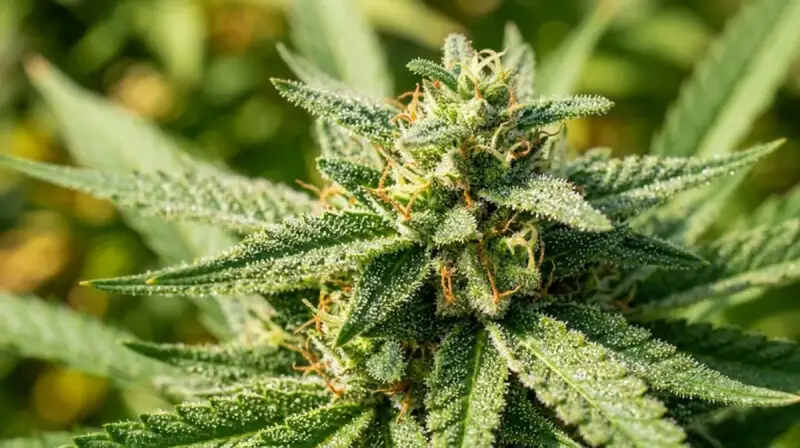
High-CBG Flower: Hemp strains bred for CBG dominance. Smoked or vaporized for fastest onset. Legal in most jurisdictions where hemp is permitted.
CBG + CBD Combination Products: Many manufacturers combine CBG and CBD in various ratios. A 1:1 CBG:CBD product combines the direct receptor agonism of CBG with CBD’s well-established anxiolytic and anti-inflammatory profile.
CBG Topicals: For localized anti-inflammatory and antibacterial applications. No systemic effects.
AK
Ann Karim
Cannabis Science & Wellness Writer — ZenWeedGuide
Ann covers emerging cannabinoid science including CBG, CBN, and CBC, translating preclinical research into consumer-relevant guidance with appropriate caveats about evidence levels.
Frequently Asked Questions
What is CBG and why is it called the mother cannabinoid?
CBG (cannabigerol) derives from CBGA (cannabigerolic acid), the chemical precursor from which all other major cannabinoids — THC, CBD, and CBC — are synthesized during plant development. Because CBGA is the biosynthetic origin point for these cannabinoids, CBG is called the mother cannabinoid.
What is the difference between CBG and CBD?
CBG acts as a partial CB1/CB2 receptor agonist, stimulates appetite, and shows strong antibacterial and neuroprotective properties. CBD acts as an indirect modulator, has strong clinical evidence for anxiety and epilepsy, and does not stimulate appetite. Both are non-psychoactive. CBG has less clinical data but promising preclinical findings.
Does CBG get you high?
No. CBG does not produce psychoactive effects. It binds to CB1 receptors as a partial agonist but does not produce the euphoria, altered perception, or cognitive impairment associated with THC.
What are the best high-CBG strains?
White CBG (9–12% CBG), Jack Frost CBG, Sour G, and Super Glue CBG are among the most commercially available high-CBG hemp strains. Most standard cannabis flower contains under 1% CBG; high-CBG products require specifically bred cultivars harvested early in the flowering cycle.
Share:
ZW
ZenWeedGuide Editorial
Reviewed by our editorial team — cannabis researchers, policy analysts, and medical writers with expertise across clinical research, dispensary operations, and US cannabis law. Content is fact-checked and updated regularly.