










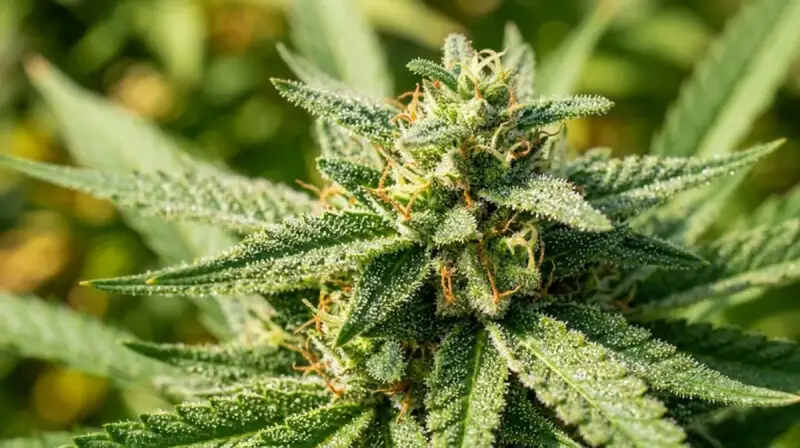
- Alcohol is responsible for approximately 95,000 deaths per year in the US (CDC); cannabis has no documented fatal overdose cases in humans — the estimated lethal dose would require consuming 1,500 pounds in 15 minutes
- Both substances activate dopamine pathways but through different mechanisms: alcohol enhances GABA inhibition and blocks NMDA glutamate receptors; cannabis modulates endocannabinoid signaling via CB1 receptors
- Alcohol addiction rate (AUD): approximately 15% of users develop alcohol use disorder; cannabis use disorder affects approximately 9% of users overall, rising to 17% for those who start as teenagers
- Alcohol causes documented organ damage: liver cirrhosis, cardiomyopathy, Wernicke’s encephalopathy, peripheral neuropathy — cannabis has not been shown to cause comparable organ damage in normal use
- Alcohol impairs driving at a dose far lower than cannabis impairs driving for experienced users — BAC 0.08% causes significant driving impairment; experienced cannabis users show limited driving impairment at moderate doses
- Cannabis use during adolescence (under 18) is associated with measurable cognitive effects on the developing brain — this risk is not present for adults and is a primary argument for age-gated legalization
- Neither alcohol nor cannabis use during pregnancy is safe — both cross the placental barrier and are associated with developmental complications; both should be avoided during pregnancy and breastfeeding
Acute Effects Comparison
The immediate, dose-dependent effects of alcohol and cannabis differ significantly in onset, duration, and physiological profile:
| Parameter | Alcohol | Cannabis (smoked/vaped) | Cannabis (edible) |
|---|---|---|---|
| Onset | 10–30 minutes | 2–10 minutes | 30–120 minutes |
| Peak effect | 30–90 minutes | 15–45 minutes | 2–4 hours |
| Duration | 3–6 hours (varies with dose) | 1.5–3 hours | 4–8 hours |
| Blackout risk | High at elevated doses | Rare (greenout possible) | Moderate if overdosed |
| Fatal overdose | Possible (respiratory depression) | No documented cases | No documented cases |
| Nausea/vomiting | Common at moderate–high doses | Uncommon (antiemetic at low dose) | Possible if severely overdosed |
| Motor coordination | Significantly impaired at 0.08% BAC | Mildly impaired | Moderately impaired |
| Anxiety risk | Low acutely; rebound anxiety next day | Moderate in predisposed individuals | High risk if overdosed |
The mechanistic difference is significant: alcohol acts as a central nervous system depressant by potentiating GABA (the brain’s primary inhibitory neurotransmitter) and blocking NMDA glutamate receptors (the primary excitatory system). This broad neurological suppression explains why high doses cause respiratory depression and potential death — the brainstem’s breathing control centers are inhibited. Cannabis, by contrast, acts via the endocannabinoid system, which does not directly control brainstem respiratory circuits. CB1 receptor density in the brainstem is very low compared to the cortex and limbic system, which is why cannabis does not cause respiratory failure even at very high doses.
Long-Term Health Risks
Chronic, heavy use of either substance carries health consequences. The comparison by organ system reveals a substantially asymmetric risk profile:
| Organ System | Alcohol (chronic heavy use) | Cannabis (chronic use) | Evidence Quality |
|---|---|---|---|
| Liver | Cirrhosis, alcoholic hepatitis, fibrosis, liver cancer | No hepatotoxicity demonstrated | High (alcohol); Emerging (cannabis) |
| Cardiovascular | Cardiomyopathy, arrhythmia, hypertension | Acute tachycardia; long-term unclear | High (alcohol); Moderate (cannabis) |
| Brain | Wernicke’s encephalopathy, Korsakoff’s syndrome, cerebral atrophy | Adolescent cognitive risk; minimal adult impact at moderate use | High (alcohol); Moderate (cannabis) |
| Respiratory | Aspiration pneumonia (vomiting while unconscious) | Chronic bronchitis if smoked; no lung cancer signal in moderate users | Moderate (both) |
| Cancer | Group 1 carcinogen: mouth, throat, liver, breast, colorectal | No consistent cancer signal for moderate users | High (alcohol); Inconsistent (cannabis) |
| Peripheral nervous system | Peripheral neuropathy (thiamine deficiency) | Not observed | High (alcohol) |
The critical caveat on cannabis respiratory data: the studies linking cannabis smoking to chronic bronchitis and increased mucus production are well-supported. However, studies have not established a consistent lung cancer risk in cannabis smokers (unlike tobacco), possibly because cannabis is typically smoked without a filter but in lower daily quantity than tobacco, and because cannabinoids may have anti-proliferative properties. Vaporizing or consuming cannabis in non-smoked forms eliminates the respiratory risk entirely.
Addiction Potential
Both substances act on the brain’s dopamine reward pathway — the mesolimbic system projecting from the ventral tegmental area (VTA) to the nucleus accumbens. Alcohol does so via GABA potentiation and opioid receptor modulation, which causes indirect dopamine release. Cannabis does so via CB1-mediated suppression of GABA interneurons in the VTA, also resulting in dopamine release. The subjective experience of reward and the neurological mechanism for reinforcement are present in both cases.
Dependence rates: Approximately 15% of people who drink alcohol will develop alcohol use disorder (AUD) at some point in their lifetime (NIAAA data). Cannabis use disorder affects approximately 9% of regular users overall. However, frequency and age of first use dramatically modulate that figure: users who begin in adolescence (under 18) have a 17% lifetime risk of cannabis use disorder — nearly double that of adult-onset users. This vulnerability in adolescent users is the strongest public health argument for strict age-gated legalization.
Withdrawal comparison: Alcohol withdrawal syndrome is one of the few withdrawal syndromes that can be directly fatal. In dependent individuals, sudden cessation can cause: tremors, seizures (12–48 hours post-cessation), delirium tremens (a potentially fatal confusional state with fever, tachycardia, and hallucinations, occurring 48–72 hours post-cessation), and in severe cases, death. Medical alcohol detox often requires benzodiazepines. Cannabis withdrawal syndrome is real but not medically dangerous: symptoms include irritability, sleep disruption, anxiety, decreased appetite, and physical discomfort. These resolve within 1–2 weeks and do not require medical management for most users.
Social and Behavioral Effects
The relationship between intoxicant use and violence is one of the most striking differentiators in the comparative harm profile. Alcohol is robustly and consistently associated with increased aggression and violence across dozens of studies. The World Health Organization estimates that alcohol is involved in 55% of domestic violence incidents globally. Pharmacologically, alcohol disinhibits the prefrontal cortex — the brain region responsible for impulse control and decision-making — while simultaneously lowering the threshold for emotional reactivity.
Cannabis has a substantially different aggression profile. Most research shows that cannabis reduces aggression in the majority of users at moderate doses. However, cannabis can increase anxiety and paranoia in susceptible individuals (those with preexisting anxiety disorders or certain genetic polymorphisms in CNR1, the CB1 receptor gene), and this anxiety-mediated response can occasionally manifest as reactive aggression. Overall the pharmacological profile of cannabis — anxiolytic at low-moderate doses, mildly sedating via myrcene-dominant strains, generally suppressive of agitation — makes it far less violence-associated than alcohol at a population level.
Domestic violence data: Studies examining cannabis use specifically in the context of intimate partner violence have found that cannabis users (in isolation, without alcohol) show lower rates of intimate partner violence than non-users in some studies. This is a contentious finding and should not be interpreted as a recommendation — confounders exist — but it underscores the directional difference from alcohol’s violence-risk profile.
Driving Impairment
Alcohol driving impairment is linear and well-established: at 0.05% BAC, hazard perception and divided attention are measurably impaired. At 0.08% (the US legal per se limit), crash risk is approximately 4× the sober baseline. At 0.15%, crash risk rises to 12×. Blood alcohol concentration is directly measurable and strongly correlates with impairment level. The science is unambiguous.
Cannabis driving impairment is more complex. Blood THC levels do not correlate with impairment the way BAC does with alcohol impairment. THC is lipophilic and stored in fat tissue; it releases into the bloodstream unpredictably. A chronic daily user may test positive for blood THC hours after last use, while being functionally unimpaired. Conversely, a naive user may show modest blood THC but be significantly impaired. Meta-analyses of driving simulator studies show that cannabis causes measurable impairment in lane tracking and reaction time, but the effect size is smaller than alcohol at comparable subjective intoxication levels. Importantly, cannabis users in driving studies often compensate behaviorally — slowing down, increasing following distance — in ways that alcohol users do not.
Combined alcohol and cannabis is significantly more dangerous than either alone. The interaction is approximately multiplicative, not additive: using both together at doses that would individually produce modest impairment can produce severe combined impairment. NHTSA data on crash culpability shows that drivers testing positive for both alcohol and THC have dramatically elevated crash risk compared to either substance alone.
Detection technology: Breathalyzers for alcohol work because ethanol diffuses into breath in direct proportion to blood concentration. No reliable roadside cannabis breathalyzer exists at scale. Current law enforcement relies on blood or urine testing, both of which detect THC metabolites rather than active THC, creating the window-mismatch problem described above. Oral fluid (saliva) testing for THC is being deployed in some jurisdictions and better approximates recent use.
Policy and Legal Inconsistency
The current US regulatory framework places cannabis as a Schedule I controlled substance — defined as having no accepted medical use and a high potential for abuse — while alcohol is legally sold to adults with minimal federal restriction. This scheduling persists despite the comparative risk data summarized above showing alcohol to be broadly more dangerous by most acute and chronic harm metrics.
The historical explanation for this inconsistency is well-documented: cannabis prohibition emerged in the 1930s from a complex of racial politics, economic interests (competing industries including cotton, paper pulp, and pharmaceutical) and moral panic rather than pharmacological evidence. The 1970 Controlled Substances Act codified Schedule I based on the Nixon administration’s political goals; the Shafer Commission appointed by Nixon recommended in 1972 that cannabis be decriminalized, and Nixon rejected the recommendation. John Ehrlichman, Nixon’s domestic policy advisor, stated in a 2016 interview that the administration’s drug war “was about the anti-war left and Black people” and that the scheduling of cannabis was used as a political tool.
Economic factors perpetuate the inconsistency: the alcohol industry lobbies actively against cannabis legalization and has historically funded anti-legalization campaigns. A 2017 report by the Center for Responsive Politics found that alcohol industry political contributions track with cannabis ballot initiative spending. Pharmaceutical companies have also lobbied against loosening cannabis restrictions, given the potential overlap between cannabis and their pain, anxiety, and sleep product categories.
From a public health policy standpoint, the WHO Expert Committee on Drug Dependence (ECDD) recommended in 2019 that cannabis be rescheduled internationally under the 1961 Single Convention on Narcotic Drugs, citing the medical evidence and the disproportionate burden of its Schedule IV classification. The UN Commission on Narcotic Drugs voted in December 2020 to remove cannabis from Schedule IV (the most restrictive category), though it remains scheduled under the conventions. In the US, the DEA acknowledged in 2023 that rescheduling to Schedule III was under consideration, which would represent the first federal rescheduling since 1970.
Ann Karim covers cannabis science, pharmacology, and consumer guidance at ZenWeedGuide. She holds an MSc in Plant Biology and has written extensively on cannabinoid research, comparative pharmacology, and evidence-based public health policy.