










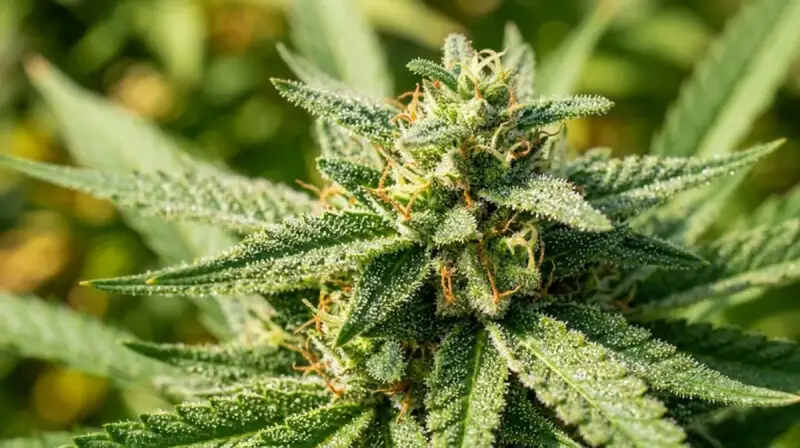
Most cannabis consumers never think about what a plant was fed. But if you have ever noticed that two products labeled the same strain taste completely different, or that craft flower from a small producer burns better than bulk dispensary product, nutrition is often a significant part of the explanation. How a plant is grown — what it is fed, when, and how much — directly shapes the cannabinoid concentrations, terpene profile, and smoke quality of what ends up in your hands.
Why Growing Practices Matter to the Consumer
Cannabis product labels tell you THC percentage and maybe a terpene panel, but they rarely tell you how the plant was grown. Yet the growing environment — nutrient program, medium, light, and stress management — determines whether those numbers were achieved in a way that creates a quality experience or simply a high-measuring one.
Large-scale commercial grows often push yield and potency metrics at the expense of terpene complexity and smoke quality. Small craft operations typically grow with more attention to balance — lower nitrogen in late flower, trace mineral additions, organic inputs — which research suggests produces more nuanced and consistent final products. Understanding what each nutrient does gives you tools to evaluate grower claims and read COA panels more intelligently.
The Core Three: Nitrogen, Phosphorus, Potassium
Nitrogen (N) is the primary driver of vegetative growth. It is a core component of chlorophyll, amino acids, and proteins. Cannabis plants need high nitrogen during the vegetative stage to build strong stems, large fan leaves, and the structural capacity to support heavy flower loads. The critical consumer-relevant detail: nitrogen must be reduced during flowering. Excess nitrogen during bud development directly interferes with cannabinoid synthesis pathways. Over-fertilized plants in flower are also more susceptible to mold and produce harsher smoke.
Phosphorus (P) drives root development and energy transfer (as ATP). During flowering, phosphorus demand increases significantly because bud formation is energy-intensive. Adequate phosphorus during the flowering stage is directly linked in multiple studies to higher trichome density and cannabinoid concentration. Plants that are phosphorus-deficient during flowering produce smaller, less resinous buds. Phosphorus uptake is pH-dependent — it becomes less available as pH rises above 7.0.
Potassium (K) regulates water uptake, enzyme activation, and overall plant health. High potassium in late flower is associated with denser buds and is often part of a PK boost strategy used by growers in weeks 5–7 of flowering. Potassium also plays a role in the production of several terpenes by activating enzymes in the terpenoid synthesis pathway.
How Nutrient Balance Affects Cannabinoid Production
The relationship between nutrients and cannabinoid content is well-documented. Key interactions:
- High nitrogen in flower = lower THC. Nitrogen suppresses THC synthesis. Multiple cultivation studies confirm that plants transitioned to low-nitrogen programs in early flower consistently produce higher THC concentrations than nitrogen-heavy plants at the same stage.
- Phosphorus + adequate light = more trichomes. Trichome production is energy-intensive. Phosphorus availability and light intensity together determine the plant’s capacity to produce resin glands throughout flowering.
- Potassium deficiency = loose, airy buds. Plants lacking potassium in late flower produce less dense, less resinous flower — a common problem in nutrient-depleted soils or when growers cut nutrients too aggressively too early.
Nutrient Cycle by Growth Stage
| Stage | N | P | K | Key Focus |
|---|---|---|---|---|
| Seedling | Low | Low | Low | Minimal inputs; starter soil usually sufficient |
| Vegetative | High | Medium | Medium | Structural growth; build canopy capacity |
| Early Flower (wk 1–3) | Medium | Medium-High | High | Transition; reduce N, increase P and K |
| Mid Flower (wk 4–6) | Low | High | High | Peak resin and trichome development |
| Late Flower (wk 7+) | Very Low | Medium | Medium | Let plant draw on reserves; quality focus |
| Flush/Final | None | None | None | Water only (if flushing); dry-down preparation |
Terpene Production and Nutrients: Stress as a Tool
Terpenes are secondary metabolites — the plant produces them not for primary metabolic functions but as responses to environmental pressure: UV exposure, insect attack, temperature swings, and nutrient stress. This is why controlled mild stressors are a legitimate cultivation tool in craft growing.
Mild nutrient stress in late flower — specifically controlled reduction of nitrogen and slight reduction of overall feed strength — can trigger increased terpene synthesis as the plant responds to perceived threat. Over-fed, maximally comfortable plants in rich nutrient solutions often have lower terpene complexity than slightly stressed plants in leaner environments. This is the biological basis for many organic and living soil cultivation claims about terpene quality.
Trace Minerals and Terpene Synthesis
Beyond NPK, trace minerals play specific documented roles in terpene and cannabinoid synthesis:
- Zinc: Essential cofactor for several enzymes in the MEP/MVA terpene synthesis pathways. Zinc deficiency reduces resin gland development and terpene concentration in documented studies.
- Boron: Plays a role in cell wall formation and carbohydrate transport that supplies terpene synthesis. Boron deficiency produces stunted growth and reduced aromatic complexity.
- Iron: Necessary for chlorophyll production and electron transport. Iron deficiency produces interveinal chlorosis and reduces overall metabolic capacity, including terpene production.
- Manganese: Involved in multiple enzyme activation steps in secondary metabolism. Deficiency has been associated with reduced terpene complexity in cannabis research.
These trace mineral interactions are one reason why living soil — which provides a complex mineral profile through organic decomposition and microbial activity — often produces more aromatic, complex-smelling flower than simple NPK hydroponic programs.
Organic vs. Synthetic Nutrients: The Consumer Perspective
In synthetic nutrient programs, plants receive precise doses of specific mineral salts. The advantage is consistency and control. The limitation: the nutrient profile is only as complex as what the grower deliberately adds to the reservoir or medium.
In organic programs, especially living soil, plants receive nutrients through microbial breakdown of complex organic matter. The microbial ecosystem provides a broader spectrum of compounds, including trace minerals, organic acids, and growth-promoting compounds that are not present in synthetic programs. Mycorrhizal fungi networks extend root access to nutrients and water, and produce humic acids and other compounds that affect plant metabolism in ways still being actively researched.
Many experienced cannabis consumers report that organically-grown flower has more complex flavor and aroma than synthetic equivalents at the same THC level. Whether this is attributable to the nutrient program specifically or to the broader growing approach is an open research question, but the pattern is consistent enough to be reflected in premium craft product pricing.
Living Soil and Mycorrhizae: How the Microbiome Affects Your Product
Living soil is not just soil with organic amendments — it is a managed ecosystem. Beneficial fungi (arbuscular mycorrhizae) colonize root systems and create extended hyphal networks that dramatically expand nutrient and water access. In exchange, the plant provides sugars to the fungal network. This symbiosis improves phosphorus uptake in particular, which directly supports trichome development.
Beneficial bacteria in living soil produce plant hormones, fix atmospheric nitrogen, and break down organic matter into plant-available forms. This biological complexity creates nutrient availability patterns that no synthetic program can fully replicate — nutrients are released in response to root signals and plant demand rather than on a grower-scheduled feeding calendar.
What Nutrient Burn Looks Like in Finished Product
Nutrient burn — the result of overfeeding — is primarily diagnosed by examining live plants. But the effects can persist into the finished product. Signs of nutrient burn in harvested flower:
- Harsh, throat-burning smoke or vapor with a chemical or metallic undertone
- Black ash that does not stay lit and requires frequent relighting during sessions
- Dark green trim leaves with burnt tips visible in the bag or jar
- Incomplete combustion — the joint or bowl extinguishes easily
- Headache or nausea disproportionate to THC level consumed
Not all of these symptoms are exclusively caused by nutrient burn — improper drying, early harvest, and pesticide residue can produce similar signs. But if you consistently notice harsh smoke and dark ash from the same producer, overfeeding during cultivation is a common culprit.
What to Look For When Buying
Armed with this knowledge, here is what to look for when evaluating cannabis products at dispensaries:
- Terpene panel on the COA: A full terpene profile — not just “total terpenes” — suggests a producer who measures quality beyond THC percentage. Rich terpene diversity is a proxy for good nutrient management and growing conditions.
- Craft or small-batch labeling: Smaller batch sizes allow more attention to individual plant nutrition. Not a guarantee, but a useful signal of growing philosophy.
- Growing medium disclosure: Some premium producers list growing medium on packaging. Organic living soil claims paired with full terpene panels are a positive quality indicator.
- Ash color when burned: Clean white or light gray ash indicates proper nutrient management and curing. Black, sticky ash suggests likely overfeeding or improper cure.