










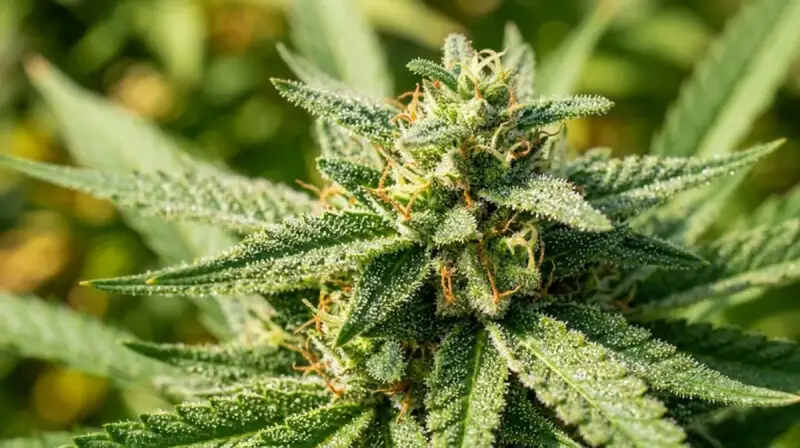
- Start with 2–5mg THC for edibles or one small inhalation for flower
- Effects from smoking begin in 5–15 minutes; edibles take 45–120 minutes
- Set and setting matter — choose a safe, comfortable environment with trusted people
- Common first-time effects: euphoria, laughter, altered time perception, dry mouth
- If overwhelmed: lie down, breathe slowly, drink water, and remember it will pass in 2–4 hours
What Is a First-Time Cannabis Experience?
Trying cannabis for the first time is a deeply personal experience that combines pharmacology, psychology, and environment. When THC — the primary psychoactive compound in cannabis — binds to CB1 receptors in your brain, it produces the cluster of effects collectively known as being "high." For a complete novice, these sensations can range from gentle relaxation and giggling fits to vivid sensory enhancement and altered time perception. Because every endocannabinoid system is slightly different, no two first experiences are identical, even with the same product and dose.
Modern cannabis is significantly stronger than the flower of past decades. Where 1990s street weed averaged 3–5% THC, today's dispensary flower routinely tests at 18–28%, with concentrates pushing 70–90%. This potency shift is the single most important reason new users should approach cannabis with respect: the same puff that barely registered for a parent in 1985 could send a beginner into a panic spiral today. Understanding this baseline is critical before you light up, vape, or unwrap that gummy.
The good news is that cannabis is remarkably safe when used responsibly. There has never been a documented fatal overdose from THC alone, and most uncomfortable first-time experiences resolve on their own within a few hours. The aim of this guide is not to scare you, but to help you walk into your first session informed, prepared, and confident — so that whatever you feel, you know exactly what to do.
Step-by-Step: Your First Cannabis Session
1. Choose the Right Setting
- Pick a safe, familiar space — your own home, a friend's living room, or a quiet garden. Avoid public places, unfamiliar environments, or crowded events.
- Have a sober "sitter" — a trusted friend who has experience with cannabis and can reassure you if things feel intense.
- Clear your schedule — don't try cannabis before driving, working, parenting duties, or important conversations.
- Set the mood — calming music, comfortable clothing, dim lighting, snacks within reach, and a soft place to sit or lie down.
2. Pick a Beginner-Friendly Product
- Low-THC flower (10–15%) with balanced CBD content is ideal. Strains like Harlequin, ACDC, or Cannatonic offer mild effects.
- Avoid concentrates, dabs, or high-THC vape carts — these are designed for tolerant users.
- If choosing edibles, look for products clearly labelled at 2.5mg or 5mg per piece. Avoid homemade brownies of unknown strength.
- Have CBD on hand — CBD oil or CBD flower can counteract excessive THC effects.
3. Start Low, Go Slow
- Smoking or vaping flower: Take one small inhalation, hold for 2–3 seconds, exhale gently. Wait 15 minutes before considering another.
- Edibles: Consume 2.5–5mg THC and wait a full two hours before redosing. This is the single most common mistake new users make.
- Vape cartridges: One short puff (1 second), then wait. Cartridge oil is typically stronger than flower.
- Tinctures: Place 2–5mg under the tongue, hold for 60 seconds, swallow. Onset is 15–45 minutes.
4. Track How You Feel
- Notice the first sensations — often warmth in the chest, a smile creeping in, or slight head-pressure.
- Rate your high on a 1–10 scale every 15 minutes. Aim to stay between 3 and 6 for your first experience.
- If you reach 7+ and feel uncomfortable, stop consuming immediately. Do not "smoke through it."
Cannabis Consumption Methods Compared
| Method | Onset Time | Peak | Duration | Beginner Dose | Difficulty |
|---|---|---|---|---|---|
| Joint/Pipe | 2–10 min | 15–30 min | 2–3 hours | 1 small puff | Easy to overdo |
| Dry-Herb Vape | 2–10 min | 15–30 min | 1–2 hours | 1 small inhale | Beginner-friendly |
| Vape Cartridge | 2–5 min | 10–20 min | 1–3 hours | 1-second puff | Easy to overdo |
| Edibles | 45–120 min | 2–3 hours | 6–8 hours | 2.5–5mg THC | High risk |
| Sublingual Tincture | 15–45 min | 60–90 min | 3–5 hours | 2.5mg THC | Beginner-friendly |
| Dabs/Concentrate | 1–5 min | 10–20 min | 2–4 hours | Not for beginners | Very high risk |
What to Expect: The First-Time High
The cannabis high unfolds in distinct phases. Within the first 10 minutes of inhalation (or 90 minutes of an edible), you may notice a subtle shift — colours appearing slightly more vivid, music sounding richer, a soft heaviness settling into your limbs. This onset phase is often accompanied by a quickened heart rate, which is normal but can feel alarming if you're not expecting it. Take slow, deep breaths and remind yourself this is a temporary, harmless effect of THC.
As you enter the peak phase, expect waves of euphoria, an urge to laugh at things that wouldn't normally seem funny, increased appetite ("the munchies"), and altered time perception — minutes can stretch into what feels like hours. Your mouth may feel cottony (cottonmouth), your eyes may redden, and you might feel pleasantly disconnected from your body. Many first-timers describe a sense of childlike wonder or introspective philosophical thinking.
The come-down is gradual and usually pleasant. You'll feel sleepy, hungry, relaxed, and perhaps a little spacey. Sleep is often deep, and you may wake up the next morning feeling slightly groggy but otherwise normal. There is no chemical "hangover" comparable to alcohol, though dehydration can leave you feeling dry-mouthed.
How to Handle a Bad High
A "bad trip" on cannabis — more accurately called a panic episode or acute THC overconsumption — is uncomfortable but not dangerous. Symptoms can include racing heart, paranoia, anxiety, mild dissociation, nausea, dizziness, or the conviction that something terrible is happening. Here is exactly what to do:
- Stop consuming immediately — no more puffs, no more edibles.
- Move to a calm, dim space — your bed or a quiet couch. Lie down on your side.
- Breathe deeply and slowly — inhale for 4 seconds, hold for 4, exhale for 6. Repeat for 5 minutes.
- Hydrate — sip cool water or fruit juice. Sugar can help mild dizziness.
- Use CBD if available — 20–40mg of CBD oil can blunt excessive THC effects within 20 minutes.
- Try black pepper — sniffing or chewing whole black peppercorns delivers beta-caryophyllene, which can reduce anxiety.
- Take a shower — warm water grounds you in physical sensation.
- Remind yourself — "I am safe. This is temporary. No one has died from cannabis. It will pass."
If symptoms include severe vomiting, chest pain, fainting, or pre-existing heart conditions are involved, seek medical attention — not because cannabis is lethal, but because medical professionals can provide reassurance and rule out unrelated issues.
Common Questions and Misconceptions
"You can't get too high your first time." This myth has caused countless emergency-room visits. While it's true that cannabis-naive users sometimes don't feel much from a low dose because they haven't yet "learned" to recognise the high, the opposite is far more common: beginners absolutely can — and do — consume too much, especially with edibles. The receptors are there and functional from your very first dose. Treat your first session with the same caution you would any new substance.
"Edibles are gentler because there's no smoke." Edibles are arguably the most challenging method for beginners. The liver metabolises THC into 11-hydroxy-THC, a compound that crosses the blood-brain barrier more efficiently and produces a stronger, longer, more body-heavy high than smoking. The delayed onset (45 minutes to 2 hours) leads many novices to take a second dose, only to be hit hours later by both at once. If you choose edibles, start at 2.5mg and wait two full hours.
"Sativas energise and indicas sedate." The sativa/indica distinction is botanically real but pharmacologically misleading. A strain's effect depends primarily on its specific cannabinoid and terpene profile, not its leaf shape. Some "sativas" will knock you out; some "indicas" will make you alert. For your first experience, focus on THC percentage and CBD ratio rather than the sativa/indica label, and ask a budtender for a "low and balanced" recommendation.
Practical Tips for Beginners
- Eat a light meal first — never consume cannabis on a completely empty stomach, particularly edibles.
- Stay hydrated — keep water and a non-caffeinated drink within arm's reach.
- Avoid mixing with alcohol — the combination dramatically increases nausea and dizziness, especially the dreaded "spins."
- Skip caffeine — both substances raise heart rate, compounding anxiety.
- Don't drive — cannabis impairs reaction time for 4–6 hours after smoking and up to 12 hours after edibles.
- Prep snacks in advance — fresh fruit, chocolate, and salty crackers are favourites for managing the munchies without ordering chaotic takeaway.
- Keep a journal — note the product, dose, setting, and effects. This builds a personal map of what works for your body.
- Have a backup plan — know who you'll call if you feel unwell, and where to lie down if needed.
- Avoid making decisions while high — wait until the next day before texting an ex or buying a guitar online.
- Respect tolerance breaks — wait at least 48 hours between sessions while you learn your limits.
- Know your country's laws — possession, consumption, and driving rules vary wildly between jurisdictions.
- Trust the process — your first high might be underwhelming, overwhelming, or surprising. Each session teaches you something.
Recognising Your Limits Long-Term
Your first experience is just the beginning of an ongoing conversation between you and cannabis. Some people discover they love it and integrate occasional use into their lives. Others find they don't enjoy the effects and never partake again — both are perfectly valid outcomes. A small minority will discover that cannabis worsens anxiety, depression, or sleep, in which case the responsible choice is to abstain.
Pay attention to how cannabis interacts with your mental health, your sleep architecture, your relationships, and your productivity over the weeks following your first experience. Daily heavy use can build tolerance rapidly and may lead to dependence, even though cannabis withdrawal is mild compared to other substances. Keep your consumption intentional, occasional, and joyful — and you'll preserve cannabis as a tool rather than letting it become a crutch.
Frequently Asked Questions
How much cannabis should I take my first time?
Start with 2–5mg THC for edibles, or a single small inhalation if smoking or vaping flower. Wait at least 15 minutes after inhaling, or two full hours after edibles, before considering more. Low and slow is the universal rule for new users.
How long do the effects of cannabis last for a beginner?
Inhaled cannabis effects peak around 30 minutes and fade within 2–3 hours. Edibles last much longer, with peak effects at 2–3 hours and a total duration of 6–8 hours. Residual mild effects can linger for up to 12 hours with strong edibles.
What should I do if I get too high?
Find a calm space, lie down, breathe slowly, sip water, and remember that no one has died from a cannabis overdose. CBD, black pepper terpenes, and a small snack may help. Symptoms always pass within 2–4 hours for inhalation and 6–12 hours for edibles.
Should beginners smoke, vape, or eat cannabis?
Vaping flower or using a dry-herb vaporizer is generally the gentlest introduction. It allows precise dose control with rapid onset, so you can stop the moment you feel comfortable. Edibles are not recommended for beginners due to delayed onset and unpredictable intensity.