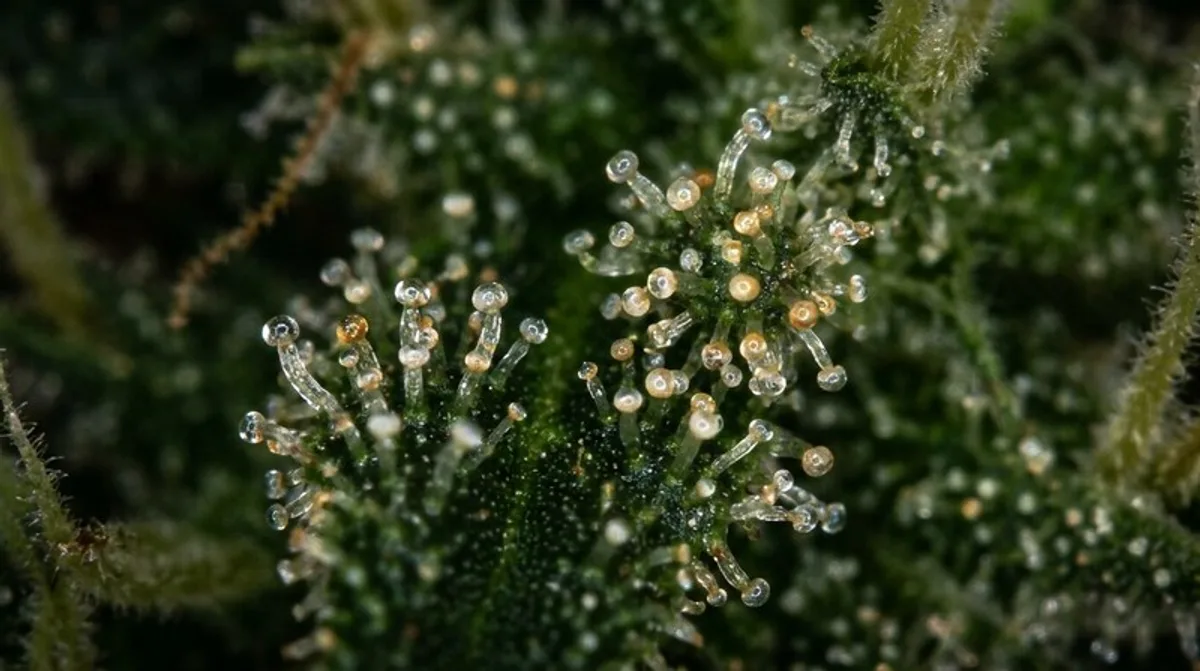
Dabbing Cannabis: Complete Beginner to Expert Guide
Concentrates, rigs, temperatures, technique — everything you need to understand and practise safe, efficient cannabis dabbing from your first hit to advanced low-temp sessions.
AK
Ann Karim — Cannabis Health Writer
16 min read
Key Facts at a Glance
60–99%
THC content in concentrates
315–450°F
Optimal low-temp dab range
6–12 types
Common concentrate varieties
45–60 sec
Nail cool-down after torch
What Is Dabbing?
Dabbing is the process of vaporising cannabis concentrates by placing a small amount (“dab”) onto a preheated surface called a nail or banger, then inhaling the resulting vapour through a water pipe called a dab rig. Unlike smoking flower, which burns plant material and delivers a THC range of 15–30%, concentrates typically contain 60–99% THC (or CBD in hemp-derived products), making dabbing one of the most potent and fast-acting cannabis consumption methods available.
The term “dab” refers both to the act of consumption and to the small portion of concentrate used — typically 0.025–0.1 grams. A dab this size delivers a dose comparable to smoking several bowls of high-quality flower. This potency difference is the single most important thing a first-time dabber must understand and respect.
Dabbing originated in underground cannabis culture in the early 2000s, became widely discussed around 2010–2012 as concentrate production techniques improved, and is now mainstream in legal cannabis markets where concentrate sections at dispensaries regularly outsell flower in some demographics.
Types of Concentrates: Complete Reference
Concentrate
Consistency
Typical THC
Extraction Method
Best For
Shatter
Glass-like, brittle
70–90%
BHO (butane hash oil)
Beginners, easy to dose
Wax / Budder
Soft, creamy, opaque
70–90%
BHO whipped post-extraction
Easy handling, mild flavour
Live Resin
Sauce-like, sticky
65–85%
Cryogenic BHO (fresh-frozen)
Maximum terpene flavour
Rosin
Waxy to sappy
60–80%
Heat + pressure (solventless)
Solvent-free users, home pressing
Sauce / HTFSE
Liquid, crystalline chunks
45–75%
BHO with diamond separation
Full-spectrum effect seekers
THCA Diamonds
Crystalline, solid
95–99%
Supersaturation crystallisation
Maximum potency, experienced users
Crumble
Dry, crumbly, porous
60–85%
BHO with purging variation
Easy handling, less messy
Equipment You Need
Understanding each piece of dabbing equipment is essential before your first session. Using the wrong setup or misusing components is the most common source of bad first experiences.
Dab Rig
A water pipe specifically designed for concentrates, typically smaller than a bong to preserve flavour and reduce vapour path distance. Glass borosilicate is standard. Beginners should start with a simple straight or beaker rig (under $60) before investing in scientific glass. The rig holds water that cools vapour before inhalation.
Banger / Nail
The heated surface where concentrate vaporises. Quartz bangers are the current standard for flavour and heat retention. Titanium nails are nearly indestructible but impart a subtle metallic taste at high temperatures. Ceramic offers excellent flavour but is fragile. Avoid glass nails for safety. A quality quartz banger ($20–50) makes the biggest single difference to dabbing quality.
Torch
A butane torch heats the nail to vaporisation temperature. Dedicated dabbing torches (like the Blazer Big Shot) provide consistent, powerful flame control. Standard kitchen torches work but heat more slowly. Never use propane torches — they burn too hot and can crack quartz. Always keep the torch away from concentrates during heating.
Dab Tool
A pointed or flat-ended implement (titanium, stainless steel, or glass) for handling concentrates. Different tips work better for different textures: pointed/angled for shatter, flat spatula for wax/budder, scoop for crumble. Never use improvised tools or plastic, which may emit fumes when in contact with hot concentrate.
Carb Cap
Placed over the banger after dropping in concentrate, a carb cap restricts airflow to create convection airflow that vaporises concentrate at lower temperatures. This is the most important accessory for flavourful low-temperature dabbing. Directional carb caps allow you to spin concentrates around the banger walls for full vaporisation.
Timer / Thermometer
A phone stopwatch for timing cool-down after heating, or an infrared thermometer for precision temperature control. Consistent timing is the simplest way for beginners to achieve reliable temperature. IR thermometers ($20–40) allow exact control and are strongly recommended once you move past the beginner stage.
Temperature Guide: The Most Critical Variable
Temperature is the single most important variable in dabbing quality, flavour, and safety. Different terpenes and cannabinoids vaporise at different temperatures. Going too hot burns everything into acrid smoke; going too low leaves residual concentrate puddled in the banger.
Temp Range
Classification
Vapour Characteristics
Best For
315–400°F (157–204°C)
Ultra-low temp
Very smooth, max terpene flavour, thin vapour
Live resin, sauce, flavour chasers
400–450°F (204–232°C)
Low-temp sweet spot
Smooth, flavourful, satisfying cloud
Recommended for most users, most concentrates
450–550°F (232–288°C)
Medium-high temp
Denser cloud, some flavour loss, harsher
High-tolerance users seeking strong effect
Above 600°F (315°C)
High/combustion risk
Harsh, acrid, destroys terpenes, possible combustion
Not recommended — minimise health risks
Step-by-Step Dabbing Technique
1
Prepare your dab
Using your dab tool, pick up a small amount of concentrate — for beginners, start with a grain-of-rice-sized amount (approximately 0.025–0.04g). Place it on the tip of your dab tool. Have the carb cap within reach before heating. Set a timer on your phone for the cool-down period (typically 45–60 seconds for quartz).
2
Fill rig with water and check function
Add enough water that the downstem is submerged but water cannot splash into your mouth when you draw. Test by pulling without lighting — you should hear gentle bubbling. Too little water means insufficient cooling; too much causes splashing. If your rig has percolators, fill until all are submerged.
3
Heat the banger
Hold the torch flame to the bottom and lower walls of the banger. For a standard quartz banger, heat for 20–40 seconds until the quartz just begins to glow orange at the edges (or visibly very hot — around 650–700°F / 340–370°C). Stop heating and immediately start your timer. Never heat the joint where the banger meets the rig.
4
Wait for cool-down
For a thick quartz banger: wait 45–60 seconds after heating stops for low-temperature dabs. Thinner glass: 30–45 seconds. If using an IR thermometer, wait until the banger surface reads 350–450°F. The single most common beginner error is applying concentrate too soon while the nail is still too hot (above 600°F), which burns the concentrate, destroys terpenes, and creates harsh, acrid hits.
5
Apply concentrate and cap immediately
Slowly touch the concentrate on your dab tool to the interior bottom of the banger, rotating as it vaporises. Immediately place the carb cap over the opening. This traps vapour and creates convection currents that fully vaporise the material. With a directional carb cap, rotate it to spin the concentrate around the banger walls for maximum efficiency.
6
Inhale slowly and steadily
Draw slowly and evenly through the mouthpiece while manipulating the carb cap. Unlike smoking flower, you don’t need a sharp, forceful inhale. Slow, gentle draws preserve flavour and prevent concentrate from splashing into the rig’s water. Inhale to lung capacity, hold for 2–3 seconds, then exhale fully. Beginners should start with half-lung draws.
7
Clean the banger while still warm
Immediately after your hit, use a cotton swab dipped in isopropyl alcohol to wipe the interior of the warm banger. This removes residual concentrate before it chars and blackens the quartz. Chazzing (charring from contaminated quartz) permanently reduces flavour quality. Keep the banger clean after every single dab — this one habit separates experienced dabbers from beginners.
E-Nail Advantages
An electronic nail (e-nail) replaces the torch with an electric coil that maintains precise temperature indefinitely. The advantages are significant for regular dabbers:
Precision temperature
Set the exact temperature and it holds indefinitely. No more timing guesswork or temperature variation between dabs.
Safer — no open flame
Eliminates the safety risks of a butane torch around concentrates, furniture, and other materials. Significantly safer for home use.
Cost efficiency
No ongoing butane cost. An e-nail pays for itself in butane savings within a few months for daily users.
Consistency
Every single dab is at the same temperature, allowing reliable comparison of concentrates, precise dosing, and optimal terpene expression every time.
Health Considerations
Dabbing eliminates combustion (when done at proper low temperatures), which removes many of the carcinogens associated with smoking. However, unique health considerations apply:
Potency risk: The most significant health concern is accidental overconsumption. Concentrate doses effective for experienced users can cause severe anxiety, rapid heart rate, and even temporary psychosis in inexperienced users. Starting doses must be extremely conservative.
Torch burns: More dabbing-related injuries involve burns from torches or hot nails than from any inhalation issue. Always allow nails to cool below 200°F before any contact. Store torches safely away from children.
Lung irritation: Hitting too-hot dabs regularly exposes airways to temperatures that can cause irritation even without combustion. Low-temperature technique protects respiratory health.
Concentrate quality: Poorly extracted concentrates may contain residual solvents (butane, propane, ethanol). Only purchase concentrates with third-party lab testing showing residual solvent levels below state-mandated thresholds.
Dependence acceleration: Frequent high-dose dabbing can accelerate tolerance and dependence development more rapidly than flower consumption. Regular tolerance breaks are important for managing long-term use.
Ann Karim specialises in the intersection of cannabis pharmacology and practical wellness, translating complex endocannabinoid and extraction science into clear, actionable guidance.
Frequently Asked Questions
Is dabbing safe for beginners?
Dabbing can be safe for beginners who start with very small doses (0.025–0.04g) and low temperatures (400–450°F). The primary risks are accidental overconsumption from misjudging dose, and burns from torches or hot nails. Using an e-nail eliminates the torch risk. The potency of concentrates demands much greater dose respect than flower; inexperienced users should treat even a small dab as equivalent to multiple bowls of flower.
What is the best concentrate for first-time dabbers?
Shatter or wax/budder are ideal for beginners due to their ease of handling and dosing. Shatter breaks into measurable pieces that are easy to assess by eye. Avoid THCA diamonds (95–99% THC) and live resin sauce until you have established your tolerance baseline with lower-potency concentrates. A mid-range rosin from a reputable dispensary is also an excellent first choice as it carries no solvent concerns.
How long should I wait after heating the nail?
For a standard thick quartz banger heated until the walls just start to glow, wait 45–60 seconds for a low-temperature dab (400–450°F). For thinner quartz, 30–45 seconds. These are guidelines — actual cool-down depends on banger thickness, ambient temperature, and heating duration. An infrared thermometer eliminates guesswork entirely and is the best $30 investment a regular dabber can make.
Why does my dab taste burnt and harsh?
Burnt, harsh dabs are almost always caused by too-high temperature — either not waiting long enough after heating, or overheating the nail. At temperatures above 550–600°F, terpenes combust rather than vaporise, producing acrid, unpleasant flavour and potentially harmful byproducts. Extend your cool-down time by 10–15 seconds and use an IR thermometer to dial in your target temperature. Also check that your banger is clean — charred residue (chazzing) permanently imparts burnt flavour to subsequent dabs.
Share:
ZW
ZenWeedGuide Editorial
Reviewed by our editorial team — cannabis researchers, policy analysts, and medical writers with expertise across clinical research, dispensary operations, and US cannabis law. Content is fact-checked and updated regularly.