










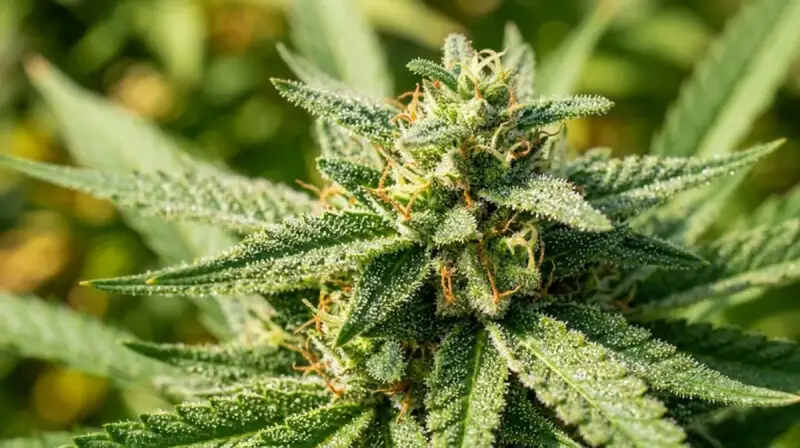
- Decarboxylation at 240°F (115°C) for 40 minutes converts THCA to active THC
- Standard cannabutter ratio: 7–14g of flower per 250g of butter depending on potency goal
- Infusion time in butter: 2–4 hours on low heat for maximum extraction
- Edibles take 45–120 minutes to activate — start with 5–10mg THC and wait
- Lecithin improves bioavailability and creates smoother, more consistent edibles
What Is Cannabis Cooking?
Cannabis cooking is the craft of transforming raw cannabis flower into edible food products that deliver cannabinoids through the digestive system rather than the lungs. Unlike smoking or vaping, where THC enters the bloodstream within minutes, edibles undergo a slower metabolic process that produces longer-lasting, often more intense effects. The art lies in three pillars: decarboxylation (activating the cannabinoids), infusion (extracting them into a fat or alcohol carrier), and dosing (controlling how much active THC ends up in each serving).
Cannabis flower in its raw form contains very little THC. Instead, it is rich in THCA — the non-psychoactive acidic precursor. Heat is required to remove a carboxyl group from THCA, converting it into THC. This chemical reaction, called decarboxylation, happens automatically when you light a joint or hit a vaporiser, but it must be performed deliberately and gently when cooking. Without proper decarb, your beautifully made brownies will produce almost no high.
The second principle is that cannabinoids are fat-soluble. They bind readily to butter, oils, cream, and alcohol — but not to water. This is why almost every classic cannabis recipe starts with cannabutter, infused olive oil, coconut oil, or tinctures. Once you understand decarb and fat extraction, you can adapt virtually any recipe in the world to include cannabis.
Step-by-Step Guide to Decarboxylation and Infusion
Making consistent, dependable edibles is a process of patience and precision. Skipping steps or guessing at temperatures is the single biggest reason beginners produce weak or wildly inconsistent results. Follow the sequence below for reliable batches every time.
Step 1: Prepare Your Flower
- Weigh your cannabis on a digital scale accurate to 0.1g. Note the THC percentage from your supplier or test results.
- Break the buds apart by hand into pea-sized pieces. Avoid grinding too fine — fine powder passes through cheesecloth into your final product and adds an unpleasant grassy flavour.
- Remove stems and any seeds. These contain no useful cannabinoids and add chlorophyll bitterness.
Step 2: Decarboxylate
- Preheat your oven to 240°F (115°C). Use an oven thermometer — most domestic ovens are 10–20°F inaccurate.
- Spread the flower in a single layer on a parchment-lined baking tray.
- Cover loosely with foil to retain volatile terpenes.
- Bake for 40 minutes. The flower should turn from bright green to a light golden brown.
- Let it cool completely before handling. Decarbed flower is fragile and crumbly.
Step 3: Infuse Your Butter
- In a saucepan, combine 250g of unsalted butter with 250ml of water. The water prevents scorching and helps draw out chlorophyll.
- Melt on low heat until the butter is fully liquid.
- Add your decarbed cannabis (7–14g depending on desired strength).
- Optionally add 1 teaspoon of sunflower or soy lecithin to improve bioavailability.
- Maintain a temperature between 160°F and 200°F (70–93°C) for 2 to 4 hours, stirring occasionally. Never let it boil.
Step 4: Strain and Store
- Line a fine-mesh strainer with unbleached cheesecloth and place over a heatproof bowl.
- Pour the hot mixture through. Do not squeeze the cheesecloth hard — gentle pressing only. Aggressive squeezing extracts chlorophyll and bitterness.
- Refrigerate the bowl overnight. The butter solidifies on top while plant water settles below.
- Lift off the butter disc, pat dry, and store in an airtight container in the fridge for up to 4 weeks or the freezer for 6 months.
Ratios, Temperatures, and Dose Reference Table
The table below summarises the most important data points for cannabis cooking. Use it as a quick reference whenever you start a new batch.
| Parameter | Low Strength | Medium Strength | High Strength |
|---|---|---|---|
| Flower per 250g butter | 7g | 10g | 14g |
| Decarb temp | 240°F / 115°C | 240°F / 115°C | 240°F / 115°C |
| Decarb time | 40 min | 40 min | 45 min |
| Infusion temp | 160–180°F | 170–190°F | 180–200°F |
| Infusion time | 2 hrs | 3 hrs | 4 hrs |
| Approx. THC (20% flower) | ~980mg per batch | ~1,400mg per batch | ~1,960mg per batch |
| Suggested serving | 5mg THC | 10mg THC | 15–20mg THC |
The Dose Calculation Formula
To calculate the approximate THC in your finished butter: (flower weight in mg) × (THC % as decimal) × (0.7 extraction efficiency) = total mg THC. Divide by the number of servings in your final recipe. Example: 10,000mg flower × 0.20 THC × 0.70 efficiency = 1,400mg total THC. If you make 24 cookies, each delivers around 58mg — far too strong for one serving, so cut each cookie into quarters for 14mg portions.
Common Questions and Misconceptions
Misconception 1: "Hotter and longer is better." Many beginners assume that cranking up the oven or simmering butter all day will boost potency. The opposite is true. Above 300°F (150°C), THC begins to degrade into CBN, a sedative cannabinoid associated with grogginess rather than the bright, classic cannabis high. Similarly, prolonged simmering above 220°F destroys terpenes and produces a harsh, vegetal flavour. The slow, gentle approach — low temperatures, patient timing — consistently outperforms aggressive heat.
Misconception 2: "Edibles affect everyone the same way." Oral cannabis goes through first-pass metabolism in the liver, which converts THC into 11-hydroxy-THC — a more potent and longer-acting metabolite. Individual enzyme expression varies wildly. Two people eating the same 10mg cookie can have entirely different experiences: one feels mildly relaxed, the other feels overwhelmingly intoxicated for six hours. This is why edible dosing must always be personalised, and why "start low, go slow" is non-negotiable.
Misconception 3: "If I don't feel it after an hour, it didn't work." This belief causes more bad edible experiences than any other. Onset can take anywhere from 30 minutes to over two hours depending on what else is in your stomach, your metabolism, and the fat content of the edible. Impatient consumers eat a second dose, only to feel both hit simultaneously two hours later — a frightening, sometimes hours-long ordeal. Always wait a minimum of two hours before redosing.
Practical Tips for Beginners
- Always test your butter first. Spread ¼ teaspoon on a cracker and wait 90 minutes before judging strength. This tells you exactly how to dose recipes.
- Use unsalted butter. Salt content interferes with flavour balancing and accurate measurement in recipes.
- Label everything clearly. Cannabis edibles must never be mistaken for regular food. Use bold, dated labels and store separately from household groceries.
- Keep edibles out of reach of children and pets. Dogs in particular are extremely sensitive to THC and can become severely ill.
- Eat a light meal first. Edibles on an empty stomach hit harder and faster but can also cause nausea.
- Avoid mixing with alcohol. The combination amplifies impairment unpredictably and increases the risk of "greening out".
- Invest in a digital thermometer. Guessing at infusion temperature is the #1 cause of weak butter.
- Save the leftover plant material. Spent cannabis from butter making still contains some cannabinoids and can be used in a second, milder tincture.
- Freeze portions. Cannabutter freezes beautifully in silicone ice-cube trays — perfect for single-recipe portions.
- Document your batches. Keep a notebook with flower strain, weight, percentage, infusion time, and the dose you found comfortable. This builds a reliable personal recipe library.
Best Foods for Edibles
Cannabis-infused fats work best in recipes that already rely on butter or oil for flavour and texture. Brownies, chocolate chip cookies, shortbread, banana bread, and pasta sauces with olive oil are forgiving and tasty. Avoid recipes where the fat must be whipped to a high volume (like macarons or angel food cake), as the herbal notes can clash with delicate flavours. Chocolate is the classic carrier because cocoa's bitterness masks any leftover plant taste.
Storage and Shelf Life
Cannabutter stored in an airtight container will keep for 3–4 weeks in the refrigerator and up to 6 months in the freezer. Light, heat, and oxygen all degrade THC over time, so store in opaque containers if possible. Finished edibles like brownies should be eaten within a week or frozen individually. Tinctures (alcohol-based infusions) can last for years if stored in dark glass away from sunlight.
Frequently Asked Questions
How long does it take for edibles to kick in?
Edibles typically take 45 to 120 minutes to take effect, depending on metabolism, stomach contents, and the type of edible consumed. Sublingual products like tinctures or lozenges activate faster (15–45 minutes) because some cannabinoids absorb through the mouth lining. Once activated, edible effects can last 4 to 8 hours, with residual effects sometimes lingering into the next morning.
Can I skip decarboxylation when making cannabutter?
No, not effectively. Without proper decarboxylation, THCA will not convert to THC and your edibles will have minimal psychoactive effect. Some decarb does occur during the long simmering phase of butter infusion, but it is incomplete and inconsistent — typically yielding only 30–50% of the potential potency. A proper 40-minute oven decarb at 240°F is the foundation of every reliable edible recipe.
How do I calculate the THC dose in homemade edibles?
Multiply your flower weight in milligrams by the THC percentage (as a decimal), then multiply by approximately 0.7 to account for home extraction efficiency. Divide by the number of servings in the final recipe. For example: 5,000mg of 20% THC flower × 0.70 = 700mg total THC. Spread across 50 cookies, that's 14mg per cookie. Always start with a quarter portion to test.
Why add lecithin to cannabutter?
Lecithin is an emulsifier that helps cannabinoids bind more uniformly to fat molecules. It also appears to improve bioavailability, meaning more of the THC reaches your bloodstream rather than passing through. Sunflower lecithin is the most popular choice because it is allergen-friendly and flavour-neutral. Use about 1 teaspoon per 250g of butter.