










Will CBD Make You Fail a Drug Test?
CBD products are everywhere — in health stores, pharmacies, and online. But millions of American consumers don't realize that some CBD products can trigger a positive drug test result. Here's everything you need to know before your next screening.
- CBD itself is not detected by standard workplace drug tests — THC metabolites are the target.
- Full-spectrum CBD products legally contain up to 0.3% THC, which can accumulate and trigger a positive result.
- Broad-spectrum and isolate products carry significantly lower but not zero risk due to industry mislabeling and contamination.
- Detection windows vary widely: occasional users may clear in 3–7 days; heavy daily users of full-spectrum products may need 30+ days.
- Hair follicle tests can detect THC metabolites for up to 90 days regardless of CBD type used.
- No detox product has strong clinical evidence of reliably passing a drug test.
- A confirmatory GC-MS test is more specific and can sometimes reduce false positives from CBD metabolites.
- State protections vary: some states restrict employer testing for off-duty cannabis use, but federal employees have no such protection.
How Drug Tests Work — What's Actually Being Detected
Here's the critical distinction that most CBD users miss: standard drug tests don't look for CBD (cannabidiol) at all. They screen for THC-COOH (11-nor-9-carboxy-THC), the primary metabolite your liver produces when it breaks down delta-9-THC — the psychoactive compound in cannabis.
The problem arises because the hemp plant, from which CBD is extracted, naturally produces small amounts of THC alongside CBD. Under the 2018 Farm Bill, hemp-derived CBD products are legal federally as long as the finished product contains no more than 0.3% THC by dry weight. That sounds trivially small — and for a single dose, it often is. But regular, high-dose users of full-spectrum products can accumulate enough THC metabolites to exceed the standard federal cutoff of 50 nanograms per milliliter (ng/mL) on an immunoassay urine screen.
There are two stages to most workplace drug testing programs:
- Initial immunoassay screening: A rapid, inexpensive antibody-based test. It's sensitive but not highly specific — meaning it can produce false positives from structurally similar compounds, including some CBD metabolites at very high concentrations.
- Confirmatory GC-MS (Gas Chromatography-Mass Spectrometry): A much more precise test that identifies specific molecular structures. If your initial screen is positive, you have the right to request this test. It uses a lower cutoff of 15 ng/mL and is the gold standard for accurate identification.
Research published in the Journal of Analytical Toxicology confirmed that consuming CBD-rich hemp extracts can produce positive urine screens for THC metabolites, with the level of positivity directly correlated to the amount of residual THC in the product. Understanding the difference between THC and CBD at the molecular level is essential for assessing your personal risk. You can also review our complete drug test guide hub for information on all common test types.
Detection Windows by Test Type and Usage Pattern
Detection windows for CBD-related THC exposure are highly variable. The table below reflects scenarios where a consumer is using full-spectrum CBD products containing legally permissible THC levels. Users of true CBD isolate products with verified zero THC should not test positive under any circumstances — provided the product's lab report is accurate.
| User Type | Urine Test | blood test | saliva test | Hair Test |
|---|---|---|---|---|
| Occasional (1–2x/week, low dose) | 3–7 days | 12–24 hours | 24–48 hours | Up to 90 days* |
| Moderate (3–4x/week, standard dose) | 7–14 days | 2–3 days | 48–72 hours | Up to 90 days* |
| Daily (standard or high dose) | 14–21 days | 3–7 days | 72 hours | Up to 90 days* |
| Heavy (multiple times daily, high-dose full-spectrum) | 21–35+ days | 7+ days | 72+ hours | Up to 90 days* |
| Isolate/Broad-Spectrum Only | Unlikely to detect | Unlikely to detect | Unlikely to detect | Unlikely to detect |
*Hair follicle tests can detect THC metabolites for up to 90 days. Even minimal, consistent THC exposure from full-spectrum products may appear in hair tests, which test a 1.5-inch segment of hair representing approximately 90 days of growth.
For context on how these windows compare to traditional cannabis use, see our guides on urine drug testing and hair follicle drug tests.
Factors That Affect Whether CBD Triggers a Positive Test
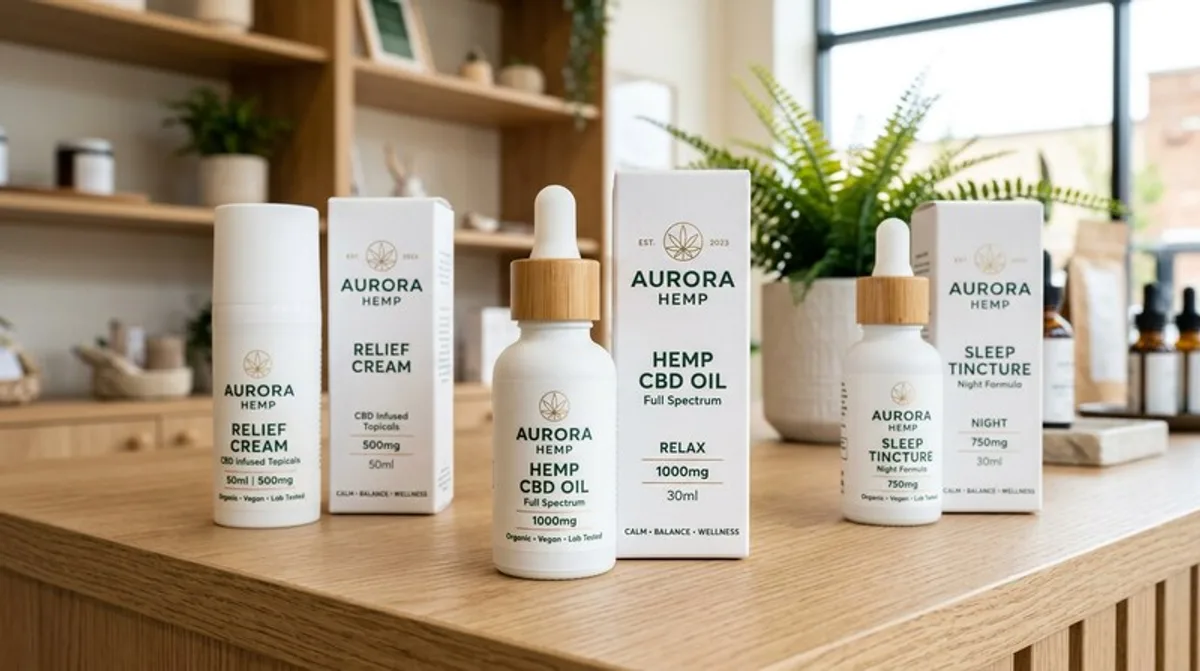
Not every CBD user faces the same drug test risk. Multiple biological and product-related variables interact to determine whether trace THC exposure accumulates enough to exceed test cutoffs.
1. Product Type and Actual THC Content
This is the most important factor. Full-spectrum CBD retains all naturally occurring cannabinoids, including THC up to 0.3% of dry weight. High daily doses of full-spectrum oil — say, 50mg+ of CBD — could deliver 0.15mg or more of THC per dose, which compounds significantly with multiple daily uses. Broad-spectrum undergoes THC-removal processing but may retain trace amounts. CBD isolate is 99%+ pure cannabidiol with no other cannabinoids. Industry mislabeling is a real issue — a 2017 Penn Medicine study found that nearly 70% of CBD products sold online were mislabeled, with some containing significantly more THC than advertised.
2. Body Fat Percentage and BMI
THC-COOH is highly lipophilic — it binds readily to fat tissue. Individuals with higher body fat percentages store more THC metabolites in adipose tissue, and these metabolites are released slowly back into the bloodstream over time, extending detection windows considerably. This is a significant biological disadvantage for heavier individuals even when cannabis or CBD exposure is identical.
3. Metabolism and Liver Function
THC is primarily metabolized by the CYP2C9 enzyme in the liver. Individual variation in enzyme activity — influenced by genetics, age, medications, and liver health — can dramatically affect how quickly metabolites are cleared. Certain medications, including some common antifungals and antidepressants, inhibit CYP2C9 and can slow THC clearance significantly.
4. Hydration and Kidney Function
While drinking water doesn't flush metabolites from fat stores, adequate hydration does affect the concentration of metabolites in urine. Extremely dilute urine (creatinine below 2 mg/dL) will be flagged as adulterated on a drug test, but normal, well-hydrated urine will naturally have lower metabolite concentrations. Poor kidney function can impair excretion of metabolites and extend detection windows.
5. Frequency and Dose of CBD Product Use
Even with a legal full-spectrum product, the cumulative THC load matters enormously. Someone using 10mg of CBD from a full-spectrum source twice weekly faces far lower risk than someone using 100mg of CBD from the same source three times daily. Understanding cannabis dosing principles can help you gauge your personal risk level.
How to Prepare Before a Drug Test
If you use CBD and have an upcoming drug test, your preparation strategy should start as early as possible. Here's a practical, evidence-based timeline:
30+ Days Before Test: Switch from full-spectrum products to a verified CBD isolate or a broad-spectrum product with a reliable third-party COA confirming undetectable THC (below 0.001% or labeled as "ND"). This is the single most impactful change you can make.
14–21 Days Before Test: If you've been using full-spectrum products regularly, consider stopping CBD use entirely and allowing your body's natural metabolism to clear residual THC metabolites. Engage in regular cardiovascular exercise to accelerate fat metabolism — but stop exercising intensely 48–72 hours before your test, as exercise temporarily releases stored fat-soluble THC metabolites into the bloodstream and urine.
7 Days Before Test: Purchase an at-home urine drug test (available at pharmacies for $10–20) to establish your baseline. Test yourself in the morning when urine is most concentrated. Test again mid-week and adjust your preparation accordingly.
24–48 Hours Before Test: Stay well-hydrated (but not excessively so — you don't want flagged dilute urine). Eat a moderate-fat diet; extreme low-calorie dieting increases fat catabolism and can temporarily spike THC metabolite levels in urine.
What genuinely helps:
- Abstaining from THC-containing products — the only reliable method
- Consistent aerobic exercise (weeks before the test, not days)
- Adequate hydration maintaining normal urine color (pale yellow)
- Confirming your CBD product's actual THC content with a COA
What doesn't work:
- Drinking excessive water immediately before the test (flags as diluted)