










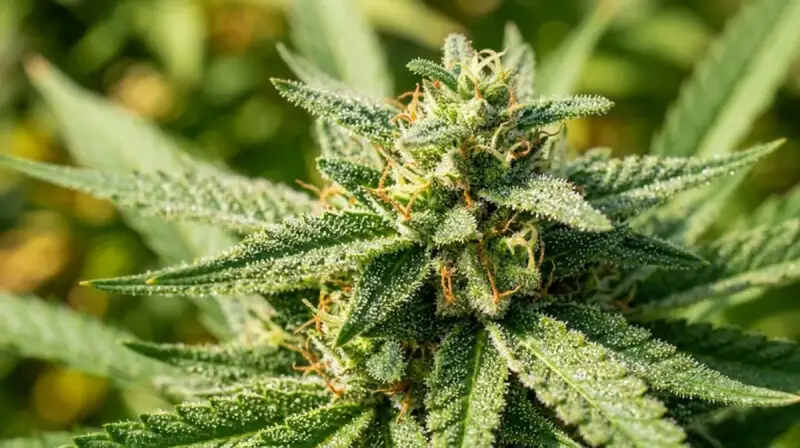
Salt Lake City, Utah’s capital and largest metropolitan area, operates under one of the nation’s most carefully regulated medical cannabis programs. Following the passage of Proposition 2 in November 2018 and the subsequent enactment of the Utah Medical Cannabis Act (UMCA) by the state legislature, Utah established a medical-only cannabis framework that emphasizes patient safety, strict regulatory oversight, and limited product types. Unlike most states that use the term “dispensary,” Utah officially designates these facilities as “cannabis pharmacies,” reflecting the program’s medical-focused approach. Salt Lake City serves as home to several of the state’s approximately 15 licensed cannabis pharmacies, providing registered patients access to qualifying cannabis products. This guide explains how Utah’s medical cannabis program works, how to obtain a medical cannabis card, what products are available, where Salt Lake City’s cannabis pharmacies are located, and important legal considerations for both residents and visitors.
- Utah operates a medical-only cannabis program with no recreational access or decriminalization for non-patients
- Facilities are legally termed “cannabis pharmacies” rather than dispensaries under Utah law
- Patients may purchase up to 113 grams (4 oz) of unprocessed cannabis flower or equivalent products per 30-day period
- Smoking cannabis is prohibited; only vaporization, tablets, capsules, concentrated oils, and limited edibles are permitted
- Medical cannabis cards require a recommendation from a Qualified Medical Provider (QMP) and registration with Utah DHHS
- Out-of-state medical cards are not recognized; visitors cannot legally purchase cannabis in Utah
- Possession without a valid Utah medical card remains a Class B misdemeanor
Understanding Utah’s Medical Cannabis Act
Utah’s medical cannabis program represents a compromise between voter initiative and legislative action. After Proposition 2 passed with approximately 53% voter approval in November 2018, state lawmakers convened a special session to modify the measure, resulting in the Utah Medical Cannabis Act. This legislation created a tightly controlled system managed by the Utah Department of Health and Human Services (DHHS) that prioritizes medical legitimacy and patient safety over broad access.
The program differs significantly from medical cannabis systems in other states. Utah prohibits traditional smoking of cannabis flower, permits only specific product formats, limits qualifying conditions, and requires ongoing physician oversight. The state’s cultural context — with a majority population affiliated with The Church of Jesus Christ of Latter-day Saints (LDS Church), which opposes recreational substance use — has shaped a particularly conservative approach to cannabis policy. While the medical program provides legitimate access for qualifying patients, Utah shows no indication of moving toward recreational legalization or broader decriminalization in the foreseeable future.
Qualifying Conditions and Eligibility
To participate in Utah’s medical cannabis program, patients must have one or more qualifying medical conditions and obtain a recommendation from a state-approved Qualified Medical Provider (QMP). The list of qualifying conditions includes:
- HIV/AIDS
- Alzheimer’s disease
- Amyotrophic lateral sclerosis (ALS)
- Cancer, or a condition associated with cancer or its treatment that produces cachexia, wasting syndrome, severe or persistent pain, severe nausea, or severe vomiting
- Cachexia or wasting syndrome
- Persistent nausea not related to pregnancy, morning sickness, or cannabinoid hyperemesis syndrome
- Post-traumatic stress disorder (PTSD)
- Epilepsy or debilitating seizures
- Multiple sclerosis or persistent and debilitating muscle spasms
- Chronic or debilitating pain lasting longer than two weeks
- Autism spectrum disorder
- Ulcerative colitis and Crohn’s disease
- Terminal illnesses with life expectancy of less than six months
- Rare conditions or diseases affecting fewer than 200,000 people in the United States
Patients must be Utah residents with valid state identification. Minors can qualify with parental or guardian consent and additional oversight requirements. The program does not recognize out-of-state medical cannabis cards, meaning visitors and temporary residents cannot legally access Utah’s cannabis pharmacies regardless of their medical status in other states.
How to Obtain a Utah Medical Cannabis Card
The process to obtain a Utah medical cannabis card involves several distinct steps:
1. Establish Care with a Qualified Medical Provider
Patients must first consult with a Qualified Medical Provider (QMP) — a physician, physician assistant, advanced practice registered nurse, or osteopathic physician who has completed state-required training and registered with the Utah DHHS. The QMP must have an established provider-patient relationship and determine whether the patient has a qualifying condition that may benefit from medical cannabis treatment. The provider then submits a recommendation through the state’s Electronic Verification System.
2. Complete the State Application
After receiving a QMP recommendation, patients must register with the Utah Department of Health and Human Services through the state’s online portal. The application requires proof of Utah residency, identification documentation, and payment of a $15 application fee (reduced or waived for certain populations). The state reviews applications and typically issues cards within several business days if all documentation is complete.
3. Receive Your Medical Cannabis Card
Approved patients receive a physical medical cannabis card that must be presented at cannabis pharmacies. The card is valid for six months and requires renewal, which involves follow-up consultation with a QMP to assess ongoing medical necessity and treatment effectiveness.
4. Register with a Cannabis Pharmacy
Before making a first purchase, patients must designate a cannabis pharmacy through the state portal or complete registration at their chosen pharmacy location. This step links the patient’s medical cannabis card to a specific pharmacy’s inventory tracking system.
| Card Type | Validity Period | Application Fee | Renewal Required |
|---|---|---|---|
| Standard Medical Card | 6 months | $15 | Yes, with QMP follow-up |
| Reduced Fee (Medicaid/Medicare) | 6 months | $5 | Yes, with QMP follow-up |
| Minor Patient Card | 6 months | $15 | Yes, with additional oversight |
Available Cannabis Products in Utah
Utah’s medical cannabis program strictly regulates product types and consumption methods. The original legislation prohibited edible cannabis products and smoking, allowing only specific formats designed to minimize potential harms and ensure dosing accuracy.
Permitted product categories include:
- Unprocessed Flower: Cannabis flower for vaporization (smoking is explicitly prohibited)
- Vaporization Cartridges: Concentrated cannabis oil in vaporizer cartridges
- Tablets and Capsules: Orally administered cannabis in pill form
- Concentrated Products: Cannabis oils, tinctures, and extracts for sublingual or oral use
- Topical Preparations: Lotions, balms, and transdermal patches
- Gelatinous Cubes: Beginning in 2022, Utah added limited gelatin-based edible products (essentially standardized gummies) to the permitted product list
All products must undergo rigorous testing for potency, pesticides, heavy metals, microbials, and other contaminants at state-licensed laboratories. Product packaging must meet strict requirements including child-resistant features, clear dosing information, and health warnings. THC concentration limits apply to certain product categories to promote patient safety.
Patients may purchase up to 113 grams (approximately 4 ounces) of unprocessed cannabis flower per 30-day period, or the equivalent amount in other product forms. The state uses a conversion formula to calculate equivalencies between flower, concentrates, and other products. Cannabis pharmacy staff can help patients understand their remaining allotment and recommend appropriate products for their qualifying conditions.
Salt Lake City Cannabis Pharmacy Locations
Salt Lake City and its immediate surrounding areas are home to several of Utah’s licensed cannabis pharmacies. These facilities operate under strict state oversight and offer consultation services, product education, and access to the full range of permitted cannabis products.
While the exact number and locations of pharmacies change as new licenses are approved and facilities open, Salt Lake City area patients can typically find cannabis pharmacies in:
- Downtown Salt Lake City
- South Salt Lake
- West Valley City
- Murray
- Sandy
- Other Wasatch Front communities
The Utah DHHS maintains an up-to-date directory of licensed cannabis pharmacies on its official medical cannabis program website, including addresses, operating hours, and contact information. Patients should verify current information before visiting, as hours and availability may vary.
Utah cannabis pharmacies employ trained staff who can provide guidance on product selection, dosing strategies, and consumption methods. Unlike recreational dispensaries in other states, Utah pharmacies emphasize medical consultation and often employ pharmacists or pharmacy technicians alongside cannabis consultants. First-time patients should expect an educational conversation about their qualifying condition, treatment goals, and product options.
Important Legal Considerations
No Recreational Access
Utah has no recreational cannabis program, no decriminalization for personal possession, and no indication of policy movement in that direction. Possession of cannabis without a valid Utah medical cannabis card remains illegal and is classified as a Class B misdemeanor for first-time offenders, carrying potential penalties of up to six months in jail and fines up to $1,000.
Consumption Restrictions
Even for registered medical patients, cannabis consumption is restricted to private property with the property owner’s permission. Consumption is prohibited in vehicles, public spaces, federally owned lands (including national parks), and anywhere tobacco smoking is prohibited. Employers retain the right to maintain drug-free workplace policies and may take action against employees who test positive for cannabis, even if they are registered medical patients.
Driving and Cannabis
Driving under the influence of cannabis is illegal in Utah, regardless of medical card status. The state enforces a zero-tolerance policy for metabolites above certain thresholds. Medical patients can face DUI charges if impaired while driving, even with legal possession.
Interstate Considerations
Utah is bordered by states with varying cannabis laws. Colorado (to the east) and Nevada (to the west) both have adult-use recreational programs. However, transporting cannabis across state lines remains a federal crime regardless of state-level legalization. Medical patients cannot legally bring cannabis purchased in Utah to other states, nor can they bring cannabis from other states into Utah. Patients traveling near border areas should be especially cautious, as federal jurisdiction applies at state boundaries.
Visitors and Temporary Residents
Utah does not recognize out-of-state medical cannabis cards, and visitors cannot obtain Utah medical cannabis cards without establishing residency and ongoing care with a Utah-based QMP. Tourists and temporary visitors have no legal avenue to purchase or possess cannabis in Utah, even if they hold valid medical cards from their home states.
“Utah’s medical cannabis program reflects a careful balance between providing patient access and maintaining strict regulatory oversight. For qualifying patients, the program offers legitimate relief, but the state’s conservative approach means limitations that don’t exist in more permissive medical or recreational markets.”
Comparing Utah to Neighboring States
Utah’s medical-only approach contrasts sharply with some neighboring states. Colorado, approximately 350 miles east of Salt Lake City, has operated a recreational cannabis market since 2014 and hosts hundreds of dispensaries statewide. Nevada, about 420 miles west, legalized recreational sales in 2017. These proximity factors create temptation for some Utah residents to travel for cannabis purchases, but such activity remains federally illegal and risks serious criminal consequences.
Wyoming, Idaho, and Arizona (Utah’s other neighbors) have varying policies. Arizona operates both medical and recreational programs, while Wyoming and Idaho maintain prohibition with limited exceptions. The patchwork of state laws creates a complex landscape for anyone traveling in the region.
The Future of Cannabis Policy in Utah
Utah’s medical cannabis program continues to evolve through regulatory refinement and legislative adjustment. The 2022 addition of limited edible products demonstrates some willingness to expand patient options within the medical framework. However, broader policy changes toward recreational legalization or significant decriminalization face substantial cultural and political obstacles.
The LDS Church’s significant cultural influence in Utah, combined with conservative legislative majorities, makes recreational cannabis legalization unlikely in the near term. Patient advocates continue working to expand qualifying conditions, improve access, and reduce costs, but changes proceed incrementally through the legislative process rather than ballot initiatives.
Can I use my out-of-state medical cannabis card in Salt Lake City?
No. Utah does not recognize out-of-state medical cannabis cards under any circumstances. Only Utah residents with valid Utah medical cannabis cards issued by the Utah Department of Health and Human Services can legally purchase or possess medical cannabis in the state. Visitors and temporary residents have no legal pathway to access Utah’s cannabis pharmacies.
How much does a Utah medical cannabis card cost?
The state application fee for a Utah medical cannabis card is $15 for most patients. Patients enrolled in Medicaid or Medicare qualify for a reduced fee of $5. Additionally, patients must pay for the consultation with a Qualified Medical Provider (QMP), which varies by provider and