










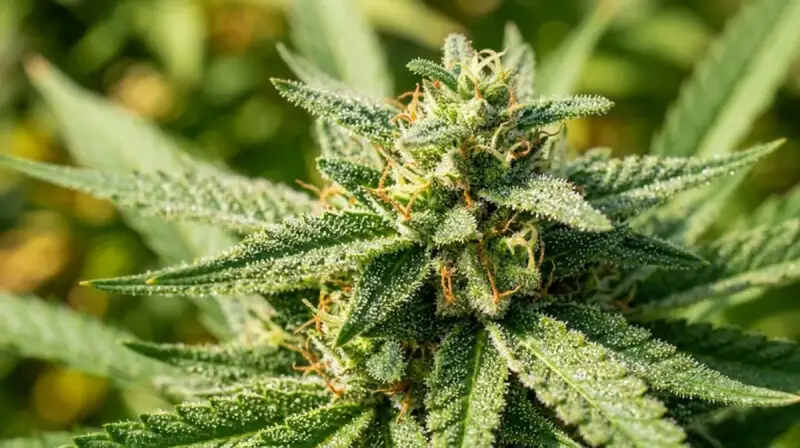
Nashville, Tennessee remains under strict cannabis prohibition with no legal marijuana dispensaries operating in the city or state. Unlike many neighboring states that have embraced medical or recreational cannabis reform, Tennessee maintains comprehensive prohibition of all cannabis products containing more than 0.3% THC. This guide provides an honest overview of Nashville’s cannabis legal landscape, what products are legally available, the risks associated with possession, and what Music City residents and visitors need to know about Tennessee’s current laws.
- Tennessee has no medical or recreational cannabis program; all marijuana remains illegal statewide
- Possession of any amount under 0.5 oz is a Class A misdemeanor punishable by up to one year in jail and fines up to $2,500
- Hemp-derived CBD products with less than 0.3% THC are federally legal and widely available at Nashville retailers
- Delta-8 THC exists in a legal gray area following 2023 Tennessee legislation, though products remain available
- Nashville/Davidson County has no local decriminalization ordinance; state law applies uniformly
- Kentucky’s medical cannabis program launching in 2025 may provide the nearest legal access for qualifying patients
Tennessee’s Cannabis Legal Status
Tennessee maintains one of the most restrictive cannabis policies in the United States. The state has repeatedly rejected legislative efforts to establish medical cannabis programs, leaving patients and adult consumers without legal access to marijuana products. Understanding Tennessee’s prohibition framework is essential for residents and visitors to avoid serious legal consequences.
Under Tennessee law, cannabis possession penalties are structured as follows:
| Amount | Classification | Potential Penalty |
|---|---|---|
| Under 0.5 oz (first offense) | Class A Misdemeanor | Up to 1 year jail, $2,500 fine |
| 0.5 oz to 10 lbs | Class E Felony | 1-6 years prison |
| Over 10 lbs | Class B Felony | 8-30 years prison |
| Any amount (subsequent offense) | Enhanced penalties | Increased jail time and fines |
These penalties apply statewide, including in Nashville and Davidson County. Tennessee law does not permit municipalities to enact local decriminalization ordinances, meaning Nashville cannot establish more lenient policies even if local officials desired to do so.
What IS Legal in Nashville: Hemp-Derived Products
While cannabis remains illegal, the 2018 Farm Bill legalized hemp and hemp-derived products containing less than 0.3% delta-9 THC at the federal level. Tennessee recognizes this distinction, making CBD products derived from hemp legal and widely available throughout Nashville.
CBD Shops and Hemp Retailers in Nashville
Nashville has numerous legitimate retailers selling legal hemp-derived CBD products, including:
- CBD oils and tinctures for sublingual consumption
- Topical creams and balms for localized application
- CBD gummies and edibles containing compliant THC levels
- Hemp flower with less than 0.3% THC (legal but may require lab documentation)
- Pet CBD products for animal wellness
- Vape products containing hemp-derived CBD
These hemp retailers operate legally and can be found in neighborhoods throughout Nashville, including East Nashville, The Gulch, Germantown, and along major commercial corridors. Consumers should verify that products come with certificates of analysis (COAs) from third-party labs confirming THC content remains below the 0.3% federal threshold.
The Delta-8 THC Situation in Tennessee
Delta-8 THC, a hemp-derived cannabinoid with psychoactive properties, exists in a legally complex gray area in Tennessee. In 2023, Tennessee passed Senate Bill 378, which attempted to regulate and restrict delta-8 and other hemp-derived intoxicating cannabinoids. The legislation created age restrictions, testing requirements, and licensing frameworks for hemp-derived products.
As of 2024-2025, delta-8 products remain available at many Nashville retailers, though the regulatory environment continues to evolve. Consumers should be aware that:
- Delta-8 products must meet specific testing and labeling requirements
- Sales are restricted to individuals 21 and older
- The legal status may change as Tennessee refines hemp regulations
- Product quality varies significantly between manufacturers
"Tennessee’s approach to hemp-derived cannabinoids reflects the tension between federal hemp legalization and state concerns about intoxicating products. While delta-8 remains available, consumers should stay informed about evolving regulations and purchase only from reputable retailers with transparent testing practices."
Risks for Visitors Bringing Cannabis to Nashville
Nashville attracts millions of visitors annually for its music scene, cultural attractions, and entertainment. Tourists arriving from legal cannabis states may not realize that bringing marijuana into Tennessee carries serious legal risks.
Important considerations for visitors:
- Interstate transport is a federal crime: Crossing state lines with cannabis violates federal law regardless of legality in departure or destination states
- No "tourist exception": Tennessee law applies equally to residents and visitors
- Airport screening: Nashville International Airport (BNA) operates under federal regulations where cannabis remains illegal
- Vehicle searches: Tennessee law enforcement conducts traffic stops and vehicle searches; possession discovered during stops leads to arrest
- Hotel/accommodation policies: Most Nashville hotels prohibit cannabis possession and consumption on premises
Visitors from legal states should leave cannabis products at home and explore legal hemp-derived CBD alternatives if seeking cannabinoid products during their Nashville stay.
Medical Cannabis Advocacy in Tennessee
Despite continued prohibition, Tennessee has seen persistent advocacy for medical cannabis reform. Several legislative proposals have been introduced over the years, including bills that would create limited medical programs for qualifying patients with conditions such as epilepsy, PTSD, chronic pain, and terminal illnesses.
As of 2025, none of these proposals have successfully passed both chambers of the Tennessee General Assembly and been signed into law. Polling suggests growing public support for medical cannabis, but legislative momentum has stalled due to opposition from key lawmakers and concerns about federal conflicts.
Advocacy organizations continue working toward reform, but Tennessee patients currently have no legal in-state access to medical cannabis regardless of their condition or physician recommendations.
Neighboring State Comparison
Nashville’s location near several state borders makes the contrast with neighboring cannabis policies particularly notable:
| State | Medical Program | Recreational Status | Distance from Nashville |
|---|---|---|---|
| Kentucky | Launching 2025 | Illegal | Border state (north) |
| Georgia | Limited (low-THC oil only) | Illegal | Border state (southeast) |
| Alabama | Medical (operational) | Illegal | Border state (south) |
| Missouri | Medical + Recreational | Legal (adult-use) | ~300 miles (west) |
| Illinois | Medical + Recreational | Legal (adult-use) | ~300 miles (north) |
Kentucky’s medical cannabis program, scheduled to begin dispensary operations in 2025, will provide the nearest legal access for qualifying patients. However, Tennessee residents would need to establish Kentucky residency or qualify under Kentucky’s specific reciprocity provisions (if any) to participate. Simply crossing state lines to purchase and return with cannabis remains illegal under both state and federal law.
Harm Reduction and Legal Alternatives
For Nashville residents and visitors seeking cannabinoid effects within legal boundaries, several harm reduction strategies and alternatives exist:
Legal Hemp Products
CBD products provide non-intoxicating cannabinoid benefits for wellness, anxiety relief, sleep support, and pain management without legal risk. High-quality CBD oils, capsules, and topicals are widely available from Nashville retailers.
Delta-8 and Minor Cannabinoids
While legally uncertain, delta-8 THC, delta-10 THC, THC-O, and HHC products derived from hemp offer psychoactive effects for those seeking alternatives to illegal cannabis. Consumers should research product quality, understand evolving regulations, and purchase from transparent retailers with laboratory testing.
Legal Risk Awareness
Those who choose to possess cannabis despite prohibition should understand the legal risks, including:
- Potential arrest and criminal record impacting employment, housing, and educational opportunities
- Vehicle searches during traffic stops providing probable cause for possession charges
- Enhanced penalties for possession in vehicles, near schools, or involving minors
- No medical necessity defense available under Tennessee law
The Future of Cannabis in Nashville
Tennessee’s cannabis policy landscape remains conservative compared to national trends, but several factors may influence future reform:
- Economic considerations: Legal cannabis markets in neighboring states generate significant tax revenue that Tennessee foregoes under prohibition
- Public opinion shifts: Polling indicates growing Tennessee support for at least medical cannabis access
- Federal developments: Potential federal rescheduling or legalization could influence state policy
- Medical patient advocacy: Stories from Tennessee patients who would benefit from cannabis access continue driving reform conversations
Until legislative changes occur, Nashville residents and visitors must navigate Tennessee’s strict prohibition framework while accessing legal hemp-derived alternatives within the boundaries of current law.
Frequently Asked Questions
Are there any legal cannabis dispensaries in Nashville?
No. Tennessee has no medical or recreational cannabis program, meaning there are zero legal marijuana dispensaries operating in Nashville or anywhere in the state. All cannabis possession, sale, and cultivation remain illegal under Tennessee law.
What happens if I’m caught with cannabis in Nashville?
Possession of any amount under 0.5 oz is a Class A misdemeanor punishable by up to one year in jail and fines up to $2,500 for a first offense. Amounts over 0.5 oz result in felony charges with potential prison sentences of 1-6 years or more depending on quantity. Nashville has no local decriminalization ordinance, so state penalties apply fully.
Can I buy CBD products legally in Nashville?
Yes. Hemp-derived CBD products containing less than 0.3% THC are federally legal under the 2018 Farm Bill and are legal in Tennessee. Nashville has numerous retailers selling CBD oils, topicals, gummies, and other hemp products. Always verify products come with third-party lab testing certificates of analysis confirming THC content compliance.
Is delta-8 THC legal in Nashville?
Delta-8 THC exists in a legal gray area in Tennessee. Following 2023 legislation (SB 378), hemp-derived delta-8 products remain available at Nashville retailers but face age restrictions, testing requirements, and evolving regulations. The legal status is less certain than standard CBD products, and consumers should stay informed about regulatory changes.
Does Tennessee have a medical marijuana program?
No. Tennessee has no medical cannabis program despite repeated legislative proposals. Patients with qualifying medical conditions have no legal access to marijuana in Tennessee, regardless of physician recommendations or medical documentation from other states.
Can I bring cannabis into Nashville from a legal state?
Share: