










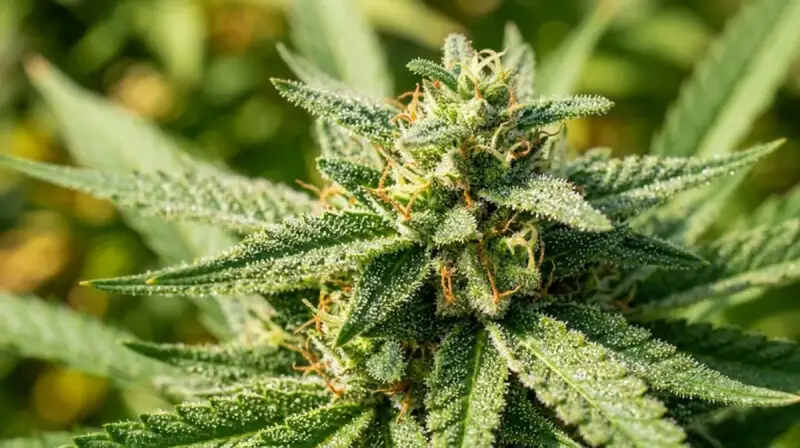
Dallas, Texas operates within one of the nation’s most restrictive medical cannabis frameworks, making it essential for residents and visitors to understand what is — and is not — legally available. While Texas established the Compassionate Use Program (CUP) in 2015 to provide low-THC cannabis to qualified patients, Dallas has historically maintained stricter marijuana enforcement than cities like Austin. Unlike Travis County’s cite-and-release policies and Austin’s deprioritization resolution, Dallas County law enforcement continues traditional prosecution for cannabis possession. This guide clarifies how the CUP operates in the Dallas-Fort Worth metro area, explains the legal status of delta-8 THC retail shops that have proliferated throughout the city, identifies legitimate dispensing organizations serving qualified patients, and provides harm reduction information for those navigating this complex landscape.
- Texas CUP allows medical cannabis with no more than 0.5% THC for 20+ qualifying conditions including epilepsy, PTSD, cancer, and autism
- Dallas County maintains traditional marijuana prosecution practices without cite-and-release or deprioritization policies
- Only five state-licensed dispensing organizations operate in Texas, with delivery available to Dallas-area patients
- Delta-8 THC retail shops throughout Dallas sell hemp-derived products in a legal gray area distinct from the medical program
- No recreational cannabis is legal in Texas; possession remains a criminal offense with penalties from Class B misdemeanor to felony
- Patients must register with the Compassionate Use Registry of Texas (CURT) through a qualified physician
- Out-of-state medical cannabis cards are not recognized in Texas under any circumstances
Understanding Texas’s Compassionate Use Program
Texas’s medical cannabis program operates fundamentally differently from those in most other states. The Compassionate Use Program restricts products to low-THC cannabis containing no more than 0.5% THC by weight, with no statutory limit on CBD content. This THC cap is among the lowest in the nation, distinguishing Texas from states that allow standard medical cannabis products with 10-30% THC or higher.
Legislative expansions in 2019 and 2021 significantly broadened qualifying conditions. Initially limited to intractable epilepsy, the program now covers more than 20 conditions including cancer, PTSD, autism, multiple sclerosis, ALS, terminal illness, chronic pain conditions, and anxiety disorders. Despite these expansions, the program remains highly restrictive in product potency and physician participation.
To access the CUP, patients must be permanent Texas residents with a valid Texas ID and a qualifying medical condition. A physician registered with the Compassionate Use Registry of Texas must determine that the potential benefits outweigh the risks. Once approved, patients can order low-THC cannabis products from one of the five licensed dispensing organizations, which deliver directly to patients’ homes. No physical dispensary locations exist for walk-in retail purchases.
Dallas’s Distinct Enforcement Culture
Understanding local enforcement context is critical when navigating cannabis law in Dallas. Unlike Austin, where the City Council passed a resolution in January 2020 directing police to deprioritize low-level marijuana possession cases, Dallas has not adopted similar policy changes. The Dallas Police Department and Dallas County District Attorney’s office continue to prosecute marijuana possession under traditional enforcement frameworks.
Texas law classifies possession of marijuana as follows: under two ounces is a Class B misdemeanor (up to 180 days in jail and $2,000 fine); two to four ounces is a Class A misdemeanor (up to one year in jail and $4,000 fine); four ounces to five pounds is a state jail felony. Dallas County has not implemented cite-and-release programs that would allow officers to issue citations rather than arrest for small amounts.
This enforcement environment makes Dallas notably less tolerant than Austin regarding cannabis possession. While Travis County’s District Attorney announced in 2019 that most small possession cases would not be prosecuted, Dallas County continues standard prosecution. Residents and visitors should understand that marijuana possession remains a serious legal risk in Dallas, regardless of changing attitudes in other Texas cities.
Licensed Dispensing Organizations Serving Dallas
Texas licenses only five dispensing organizations statewide, all operating under strict vertical integration requirements. These organizations cultivate, process, and dispense low-THC cannabis products exclusively to registered CUP patients. Several serve the Dallas-Fort Worth metropolitan area through delivery services:
| Dispensing Organization | Service Area | Product Types |
|---|---|---|
| Compassionate Cultivation | Statewide delivery including Dallas | Tinctures, sublingual strips, gummies, lozenges |
| Goodblend Texas | North Texas including DFW metro | Tinctures, capsules, topicals, vaporizers |
| Surterra Wellness Texas | Statewide delivery | Tinctures, gummies, capsules, vape cartridges |
| Texas Original | Central and North Texas | Oils, tinctures, edibles |
| Green Leaf Medical | Statewide delivery | Tinctures, capsules, topicals |
Some organizations maintain consultation centers or medical offices in the Dallas area where patients can meet with healthcare providers and learn about the program, but product delivery occurs through secure shipment to patients’ registered addresses. Patients cannot purchase products from multiple dispensaries simultaneously — they must select one organization through the CURT system, though they can switch between organizations as needed.
Delta-8 THC Retail Shops: A Legal Gray Area
Visitors to Dallas will notice numerous retail shops advertising “THC products,” delta-8 THC, and various hemp-derived cannabinoids. These establishments operate in a distinctly different legal space from the Compassionate Use Program and present significant compliance concerns.
Delta-8 THC is a hemp-derived cannabinoid that produces psychoactive effects similar to, but generally milder than, delta-9 THC (the primary compound in marijuana). Following the 2018 Federal Farm Bill, which legalized hemp and hemp derivatives containing less than 0.3% delta-9 THC, entrepreneurs began extracting and synthesizing delta-8 THC from legal hemp CBD.
Texas law remains unclear on delta-8’s legal status. The Texas Department of State Health Services (DSHS) added delta-8 THC to the state’s Schedule I controlled substances list in October 2021, effectively banning it. However, hemp industry groups successfully challenged this action in court, and an injunction currently prevents enforcement of the ban. As of 2025, delta-8 products remain widely available throughout Dallas, but their legal status could change through legislation or further court rulings.
These retail shops differ fundamentally from CUP dispensaries:
- They sell hemp-derived products without requiring medical registration or physician authorization
- Products are not tested or regulated under the same standards as CUP medical cannabis
- Many products contain synthetic or semi-synthetic cannabinoids including delta-8, delta-10, THC-O, and HHC
- No age verification requirements exist beyond general tobacco-style restrictions
- Product quality, potency accuracy, and contaminant testing vary dramatically between brands
“The proliferation of hemp-derived cannabinoid products exists in a regulatory vacuum. Consumers should understand these products are not subject to the medical oversight, testing requirements, or quality controls of state medical cannabis programs.” — Texas Cannabis Industry Association
Risks of Non-Compliant Cannabis Products
The unregulated nature of delta-8 and similar hemp-derived products presents several concerns for consumers. Laboratory testing has revealed significant issues including inaccurate potency labeling, presence of undisclosed cannabinoids, heavy metal contamination, residual solvents from extraction processes, and contamination with delta-9 THC levels that would constitute illegal marijuana.
Additionally, purchasing any marijuana product outside the CUP framework remains illegal in Texas. This includes products purchased from unlicensed dealers, cannabis obtained from other states (even where legal), and marijuana products marketed through unregulated channels. Dallas law enforcement actively investigates illegal cannabis sales, and possession charges carry criminal penalties regardless of product source.
For individuals seeking therapeutic benefits from cannabinoids, the safest legal pathway in Dallas remains enrollment in the Compassionate Use Program through a qualified physician. CUP products undergo mandatory testing for potency, microbials, pesticides, heavy metals, and residual solvents, providing quality assurance absent from unregulated markets.
What Qualified Patients Can Access
Registered CUP patients in Dallas can legally possess and use low-THC cannabis products prescribed by their physician. Available product forms include tinctures and oils (sublingual or oral administration), capsules and tablets, edibles such as gummies and lozenges, topical preparations for localized application, and vaporizer cartridges in some cases.
The 0.5% THC limit means these products provide therapeutic benefits primarily through CBD and other cannabinoids rather than through significant psychoactive effects. Many patients report symptom relief for pain, anxiety, inflammation, seizures, and other qualifying conditions, though individual responses vary considerably.
Physicians have discretion in recommending specific ratios of CBD to THC and determining appropriate dosing schedules. Patients typically start with low doses and gradually increase under medical supervision to identify effective therapeutic levels while minimizing side effects.
Important limitations remain: patients cannot smoke or use raw plant material (all products must be processed), cannot cultivate their own cannabis plants under any circumstances, cannot share or transfer products to others including other registered patients, and cannot possess quantities exceeding a 90-day supply as determined by their physician.
Harm Reduction for Dallas Visitors and Residents
Given Dallas’s enforcement environment and Texas’s restrictive laws, individuals should understand the following harm reduction principles:
Do not travel to Dallas with cannabis products from other states. Texas law does not recognize out-of-state medical cannabis authorizations, and transporting marijuana across state lines constitutes federal drug trafficking regardless of legal status in the origin state. Airport security at Dallas Love Field and DFW International Airport coordinate with law enforcement on drug violations.
Do not purchase marijuana from unlicensed sources. Beyond legal risks, unregulated cannabis may contain contaminants, inaccurate potency labeling, or adulterants. If arrested for possession, criminal defense becomes more complex when products were obtained illegally rather than through compliance attempts.
Understand that delta-8 products occupy legal gray area. While currently available, their legal status remains uncertain, and product quality varies dramatically. These products are not substitutes for medical cannabis programs in states with comprehensive frameworks.
If you qualify for the CUP, pursue legal registration. Texas has expanded qualifying conditions significantly, and many patients with chronic conditions now meet eligibility requirements. Legal access provides quality-controlled products and eliminates criminal risk.
Know your rights during police encounters. Texas law does not require you to consent to vehicle searches without probable cause. Politely declining searches may prevent illegal detention, though officers may still conduct searches if they claim to smell marijuana or have other probable cause.
The Future of Cannabis Access in Dallas
Texas cannabis law continues to evolve, though progress remains slower than in many states. Recent legislative sessions have seen bills proposing broader medical cannabis access, decriminalization of small possession amounts, and full legalization, though none have passed both chambers and received gubernatorial approval.
Public opinion polling consistently shows majority support among Texas voters for medical cannabis expansion and even recreational legalization. However, conservative legislative leadership has historically blocked substantive reforms. Advocates continue organizing around several potential changes: increasing the THC cap for medical products to allow more therapeutic options, expanding qualifying conditions further, implementing statewide cite-and-release for small possession amounts, and ultimately establishing regulated adult-use cannabis.
Dallas-specific policy changes could include City Council action similar to Austin’s deprioritization resolution, Dallas County implementation of cite-and-release programs, or prosecutorial policy shifts regarding low-level possession cases. Local advocacy organizations continue pressing for these reforms, though near-term changes remain uncertain.
Are there physical dispensaries I can visit in Dallas?
No. Texas’s five licensed dispensing organizations deliver low-THC cannabis products directly to registered patients’ homes. No walk-in retail dispensaries exist. Some organizations operate consultation centers where patients can meet with staff and healthcare providers, but product purchases occur through delivery only.
Can I use my medical cannabis card from another state in Dallas?
No. Texas does not recognize out-of-state medical cannabis authorizations or have reciprocity agreements with other states. Possessing cannabis products from other states is illegal in Texas, even if you have a valid medical card from your home state. Only Texas CUP registration allows legal possession of low-THC cannabis in Dallas.
What’s the difference between delta-8 shops and medical dispensaries in Texas?
Delta-8 THC retail shops sell hemp-derived cannabinoid products