










Cannabis and Alcohol Guide
Combining cannabis and alcohol — called crossfading — produces effects far greater than either substance alone, with unpredictable intensity that demands careful consideration.
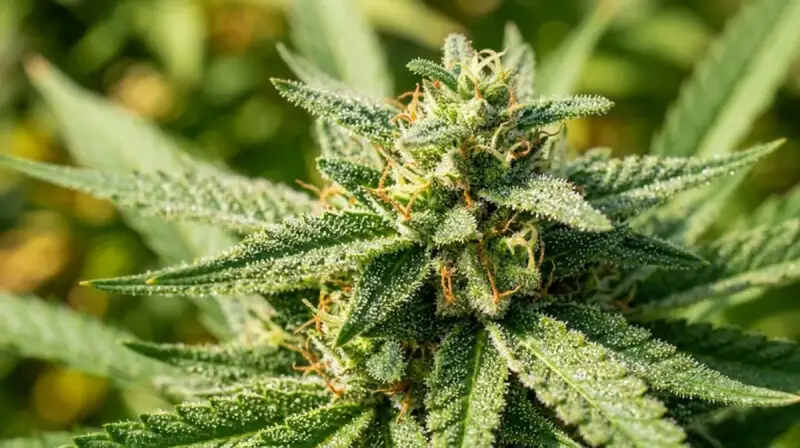
The Science of Crossfading
When alcohol and cannabis are combined, the pharmacological interaction is well-documented. Alcohol acts as a vasodilator, increasing blood flow throughout the body including the gastrointestinal tract. This enhanced blood flow significantly accelerates and increases THC absorption from smoked cannabis. A key study found that participants who consumed alcohol before smoking cannabis had peak blood THC levels nearly double those who smoked without prior alcohol consumption. This explains why experienced cannabis users who rarely feel overpowered by their usual dose may find the same dose overwhelming after drinking. For oral cannabis combined with alcohol, the interaction is different but still significant. Alcohol competes with cannabis in hepatic (liver) metabolism, potentially slowing THC breakdown and extending the duration of its effects. Both THC and alcohol are processed by liver enzymes, creating a metabolic competition that can unpredictably extend how long cannabis effects last. The subjective experience of crossfading is described by users as a spinning, disorienting sensation sometimes called "greening out" or the "whirlies" — particularly when lying down. Nausea and vomiting are more common when cannabis is added to alcohol than with either substance alone, particularly when too much of both has been consumed.
Responsible Crossfading Practices
For adults who choose to combine cannabis and alcohol, harm reduction approaches significantly reduce negative outcomes. The key principle is dose reduction: never use your normal cannabis dose if you have consumed alcohol. Start with half your normal amount and assess effects before taking more. Sequence matters. Consuming alcohol first and cannabis second produces stronger THC effects due to the absorption enhancement effect. Consuming cannabis first and alcohol second tends to produce more predictable effects and may actually reduce total alcohol consumption for some users. Food consumption before combining both substances buffers absorption of both THC and alcohol. A substantial meal significantly extends the time before either substance peaks and reduces peak intensity. Both cannabis and alcohol produce impairment that is substantially worsened by fatigue — avoid combining when tired. Know your personal response before social settings. Try very small combined doses in a safe, private environment before any social occasion where combined use might occur. Personal response to the cannabis-alcohol combination varies significantly between individuals. Our set and setting guide applies directly here — the combination demands careful environmental and mindset preparation.
The Greening Out Experience
Greening out refers to an acute adverse reaction to cannabis — frequently triggered or exacerbated by combining cannabis with alcohol. Symptoms include extreme nausea and vomiting, dizziness and spinning sensation (especially when lying down), pale skin, sweating, anxiety, and rapid heartbeat. The spinning sensation specifically associated with lying down after crossfading is caused by disruption to vestibular (inner ear) function by alcohol combined with cannabis's effect on spatial perception processing. Sitting upright or on all fours reduces this sensation for many people. If someone appears to be greening out: move them to a quiet, comfortable space. Fresh air helps. Cold water on the wrists and forehead reduces nausea. Lying on their side (recovery position) is important if they may vomit — prevents aspiration. CBD may reduce THC-related anxiety and nausea somewhat. Monitor the person. If they become unconscious and cannot be roused, or if breathing appears affected, call emergency services immediately. Cannabis alone does not cause respiratory depression, but alcohol can, and the combination changes risk profiles. Most green-out experiences resolve fully within 1-3 hours as THC blood levels decline.
Long-Term Combined Use Considerations
Regular combined use of cannabis and alcohol carries different considerations than occasional crossfading. Research on habitual poly-substance use suggests that regular cannabis users who also drink heavily may have different metabolic responses to both substances than those who use either alone. Alcohol use disorder and cannabis use disorder often co-occur. Research shows that cannabis use can both increase and decrease alcohol consumption depending on use patterns — some people use cannabis as an alcohol substitute (reducing overall alcohol intake), while others combine regularly, potentially increasing total substance exposure. For those using cannabis for therapeutic purposes — particularly anxiety, pain, or sleep — adding alcohol regularly undermines many of the potential benefits. Alcohol disrupts sleep architecture even when it facilitates sleep onset; cannabis used for sleep is more effective without alcohol in the system. The cognitive impairment from combined cannabis and alcohol use is greater than from either alone, particularly affecting tasks requiring attention, reaction time, and executive function. For users integrating cannabis into a wellness routine (see our microdosing guide), regular alcohol combination is inconsistent with the precision and intentionality that effective microdosing requires.
Step-by-Step Guide
Alcohol increases THC absorption from both smoked and oral cannabis. The combined effect is significantly stronger than either alone.
Half your normal cannabis dose when drinking any alcohol. Even one or two drinks substantially change the cannabis experience.
Alcohol consumed before cannabis produces the strongest increase in THC bioavailability. This sequence is associated with more frequent unpleasant experiences.
Some research suggests cannabis consumed before alcohol reduces alcohol consumption in social settings. This does not eliminate interaction risks.
Both cannabis and alcohol impair hydration and cause dry mouth. Drink water throughout the session.
Cannabis alone impairs driving. Alcohol alone impairs driving. Together, the impairment is substantially greater than additive. Never drive after combining.
Crossfading can become uncomfortable rapidly. Having someone sober available provides a safety net if effects become overwhelming.
External Research Sources
Frequently Asked Questions
Is it dangerous to mix cannabis and alcohol?
Does alcohol make cannabis stronger?
What is crossfading?
What should I do if I greened out?
Is cannabis safer than alcohol?
Does smoking cannabis sober you up?
Related Guides
Written by Marcus Webb, Cannabis Culture Writer. Published 2025-10-27.