










CBD Flower vs THC Flower: The Complete Comparison Guide
Last updated: 2025 | Expert review by the ZenWeedGuide editorial team
- Quick verdict: CBD flower is the right choice for wellness, relaxation, and staying clear-headed; THC flower is for recreational enjoyment and certain medical applications that benefit from psychoactivity.
- Key similarity: Both look, smell, and smoke almost identically — they come from the same cannabis plant species and share many of the same terpenes and minor cannabinoids.
- Key difference: THC flower produces a pronounced psychoactive "high"; CBD flower does not — it is non-intoxicating.
- Best for wellness seekers: CBD flower — supports calm, relaxation, and potential therapeutic benefits without cognitive impairment.
- Best for recreational users: THC flower — delivers the classic euphoric cannabis experience.
- Legality matters: Hemp CBD flower is federally legal; THC flower remains federally illegal but is state-legal in 24+ states for adults 21+.
- Drug testing risk: Both can trigger positive drug tests for THC — an often-overlooked fact about CBD flower.
Overview: What Exactly Is Being Compared and Why It Matters
Walk into any hemp shop, dispensary, or online retailer today and you will encounter two remarkably similar-looking products: CBD flower and THC flower. Both are the harvested, dried, and cured buds of the cannabis plant. Both can be smoked, vaporized, or used to make edibles and tinctures. Both have rich terpene profiles that give them distinctive aromas and flavors. At a glance, they are practically indistinguishable.
And yet, the experience they deliver — and the legal landscape surrounding them — could not be more different. Understanding those differences is essential for any US consumer navigating the modern cannabis market. Whether you are curious about the effects of cannabis, exploring medical cannabis applications, or simply trying to decide what to buy, this guide lays out everything you need to know in plain, expert language.
CBD flower is cultivated from hemp varieties of Cannabis sativa that have been selectively bred to produce high concentrations of cannabidiol (CBD) while keeping delta-9 THC at or below 0.3% by dry weight — the federal threshold established by the 2018 Farm Bill. THC flower, on the other hand, refers to cannabis (marijuana) cultivated specifically for high tetrahydrocannabinol content, the primary psychoactive compound responsible for the classic cannabis "high." Modern dispensary shelves regularly feature strains testing at 20–30%+ THC.
The distinction matters because it affects everything: the subjective experience, the legal status in your state, the potential medical applications, and even your ability to pass a workplace drug screen. Let's break it all down. You can also explore our cannabis explainers for deeper dives into cannabinoid science, and our strains directory to find specific varieties of both types.
"The cannabis plant does not care whether it is hemp or marijuana — those are legal categories, not botanical ones. Understanding what is actually in your flower, chemically, matters far more than the label on the package."
Side-by-Side Comparison
The table below compares CBD flower and THC flower across eight critical criteria every consumer should evaluate before making a purchase decision.
| Criteria | CBD Flower (Hemp) | THC Flower (Cannabis/Marijuana) |
|---|---|---|
| Primary Cannabinoid | CBD (cannabidiol) — typically 10–20%+ | THC (delta-9-tetrahydrocannabinol) — typically 15–30%+ |
| Psychoactive Effect | Non-intoxicating; no "high" | Strongly psychoactive; produces euphoria, altered perception |
| Federal Legal Status (US) | Legal if ≤0.3% delta-9 THC (2018 Farm Bill) | Federally illegal (Schedule I); state-legal in 24+ states |
| Drug Test Risk | Low-to-moderate risk (can still trigger positive) | High risk — will cause positive results |
| Primary Effects | Calm, relaxation, reduced tension, no impairment | Euphoria, relaxation, creativity, increased appetite, impairment |
| Medical Applications | Anxiety, inflammation, sleep (non-intoxicating option) | Pain, nausea, appetite loss, PTSD, spasticity, glaucoma |
| Aroma & Appearance | Nearly identical to THC flower; rich terpene profiles | Nearly identical to CBD flower; often more pungent at high potency |
| Where to Buy | Online, hemp shops, health stores (most states) | Licensed dispensaries only (in legal states) |
| Price Range (per gram) | $5–$15 (retail); often cheaper per gram online | $8–$20+ (dispensary, varies by state and potency) |
| Best For | Wellness, daily use, non-impairing relaxation, quitting tobacco/THC | Recreation, symptom relief requiring psychoactivity, medical patients |
Deep Dive: CBD Flower
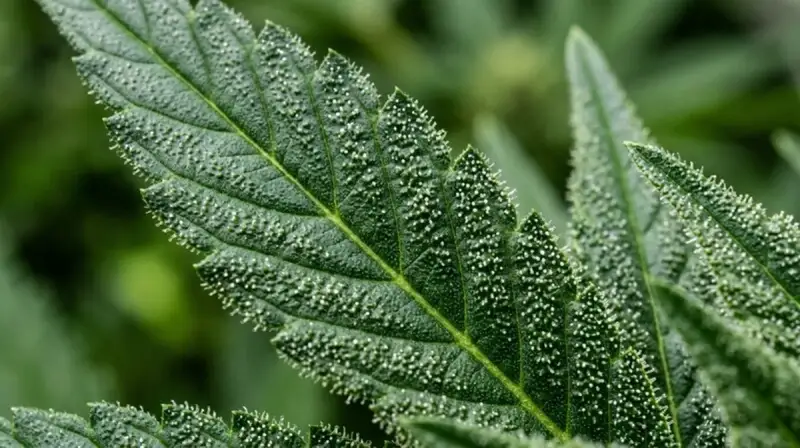
CBD flower has rapidly become one of the fastest-growing segments of the US cannabis market since the passage of the 2018 Farm Bill opened the door to legal hemp cultivation nationwide. Today, consumers can choose from dozens of named cultivars — such as Lifter, Sour Space Candy, Special Sauce, and Hawaiian Haze — each with its own unique terpene fingerprint and CBD concentration. You can browse hemp-specific entries in our strains directory to explore popular options.
Strengths of CBD Flower
The most compelling advantage of CBD flower is its ability to deliver a rich, full-spectrum cannabis experience — complete with the ritualistic enjoyment of smoking or vaporizing flower — without any psychoactive impairment. For consumers who want the calming, relaxing properties associated with cannabis but cannot afford to be cognitively compromised (due to work, caregiving responsibilities, or personal preference), CBD flower represents a genuinely useful option.
The bioavailability of inhaled CBD is significantly higher than oral forms like gummies or capsules. When you smoke or vaporize CBD flower, the compounds enter the bloodstream through the lungs, producing effects within minutes rather than the 1–2 hours typical of edibles. This rapid onset makes CBD flower particularly useful for acute situations such as sudden anxiety, sleeplessness, or discomfort. Learn more about how cannabis effects work and vary by consumption method.
High-quality CBD flower also contains a rich array of terpenes — aromatic compounds like myrcene, limonene, and beta-caryophyllene — as well as minor cannabinoids such as CBG, CBN, and trace amounts of THC. This creates what researchers call the "entourage effect," the theory that these compounds work synergistically to enhance each other's therapeutic potential. Full-spectrum hemp flower arguably delivers a more complete entourage effect than CBD isolate products.
Weaknesses of CBD Flower
Despite its benefits, CBD flower comes with meaningful limitations. The most underappreciated risk is drug testing. Because standard urine tests detect THC metabolites (not CBD), even small amounts of THC from CBD flower can accumulate with regular use. If you are subject to workplace drug screening, understand this risk thoroughly — visit our drug testing guide for specifics. Additionally, because hemp flower looks and smells identical to marijuana, it creates legal gray zones: if you are found with unlabeled CBD flower by law enforcement, proving it is hemp (and not marijuana) can be genuinely difficult without lab documentation.
CBD flower is also not as tightly regulated as dispensary cannabis. Quality can vary substantially between producers, and mislabeling — whether intentional or due to testing inconsistencies — is a real concern. Always purchase from vendors who provide current Certificates of Analysis (COAs) from accredited third-party labs.
CBD Flower Is Best For:
- Consumers seeking relaxation and calm without intoxication
- People trying to cut back on or replace high-THC cannabis use
- Those in states where adult-use THC cannabis is not yet legal
- Individuals exploring medical cannabis benefits in a non-impairing format
- Smokers looking for a tobacco replacement ritual
Deep Dive: THC Flower
THC flower is what most people picture when they think of cannabis. It has been the dominant form of cannabis consumption in the United States for decades, and the legal adult-use market — now active in more than 24 states — has transformed it into a sophisticated, laboratory-tested consumer product with unprecedented consistency and variety. From the legendary strains like OG Kush and Girl Scout Cookies to cutting-edge cultivars bred for specific terpene profiles and effects, the modern THC flower market is extraordinarily diverse.
Strengths of THC Flower
The primary strength of THC flower is straightforward: it delivers the psychoactive experience that a large portion of cannabis consumers actively seek. Euphoria, creative thinking, heightened sensory perception, laughter, relaxation, and social ease are among the most reported positive effects. For recreational consumers, this is the entire point. For medical patients, the psychoactivity itself can be part of the treatment — particularly for PTSD, where THC's ability to suppress fear memory consolidation has shown clinical promise, or for end-of-life care where mood elevation and appetite stimulation are priorities.
Licensed dispensaries in legal states provide extensively tested, labeled product with verified potency, terpene profiles, and safety screening for contaminants like pesticides, heavy metals, and mold. This level of quality assurance is simply not available in most of the CBD flower market, which remains far less regulated. Patients and consumers in legal states benefit from this rigorous testing infrastructure. Explore your state's cannabis laws and market to understand what…